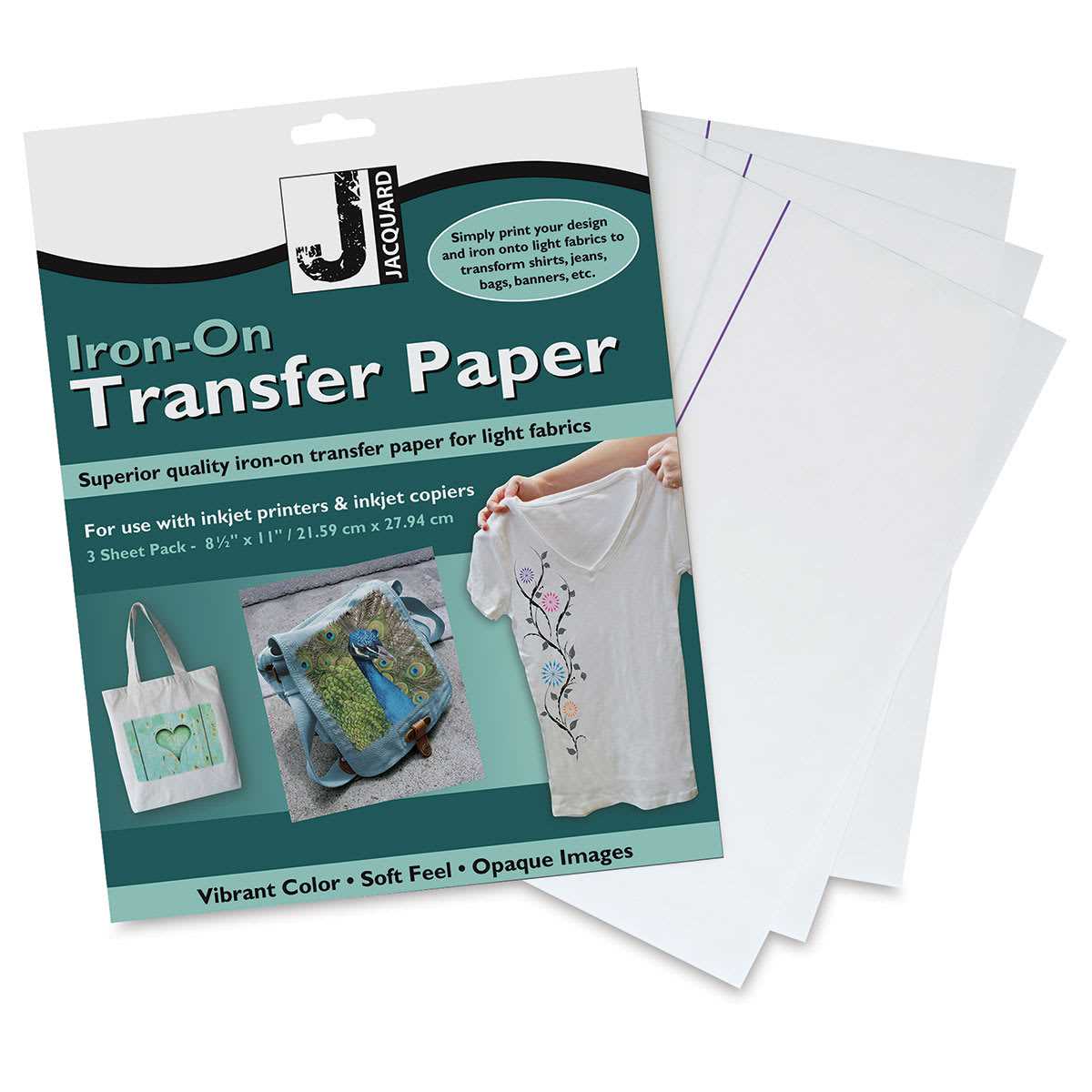
When you want to add unique visuals to your wardrobe, transfer sheets provide a straightforward way to transfer designs onto fabric. It’s crucial to select the correct material to ensure your artwork looks sharp and lasts long after washing. Choose high-quality transfer sheets designed specifically for fabric to prevent fading or peeling.
Begin by preparing your design digitally. Ensure the image is high resolution to avoid pixelation on the final product. Once your design is ready, print it in reverse on the transfer material to guarantee it appears correctly once transferred. Follow the manufacturer’s instructions carefully to achieve a professional finish.
For the best results, use an iron or heat press, depending on your preference and the specific sheet type. Make sure the temperature is set correctly for the material you’re using to avoid damaging the fabric. After the transfer process, allow it to cool completely before handling to ensure the design adheres securely.
Choosing the Right Transfer Material for Fabric Designs
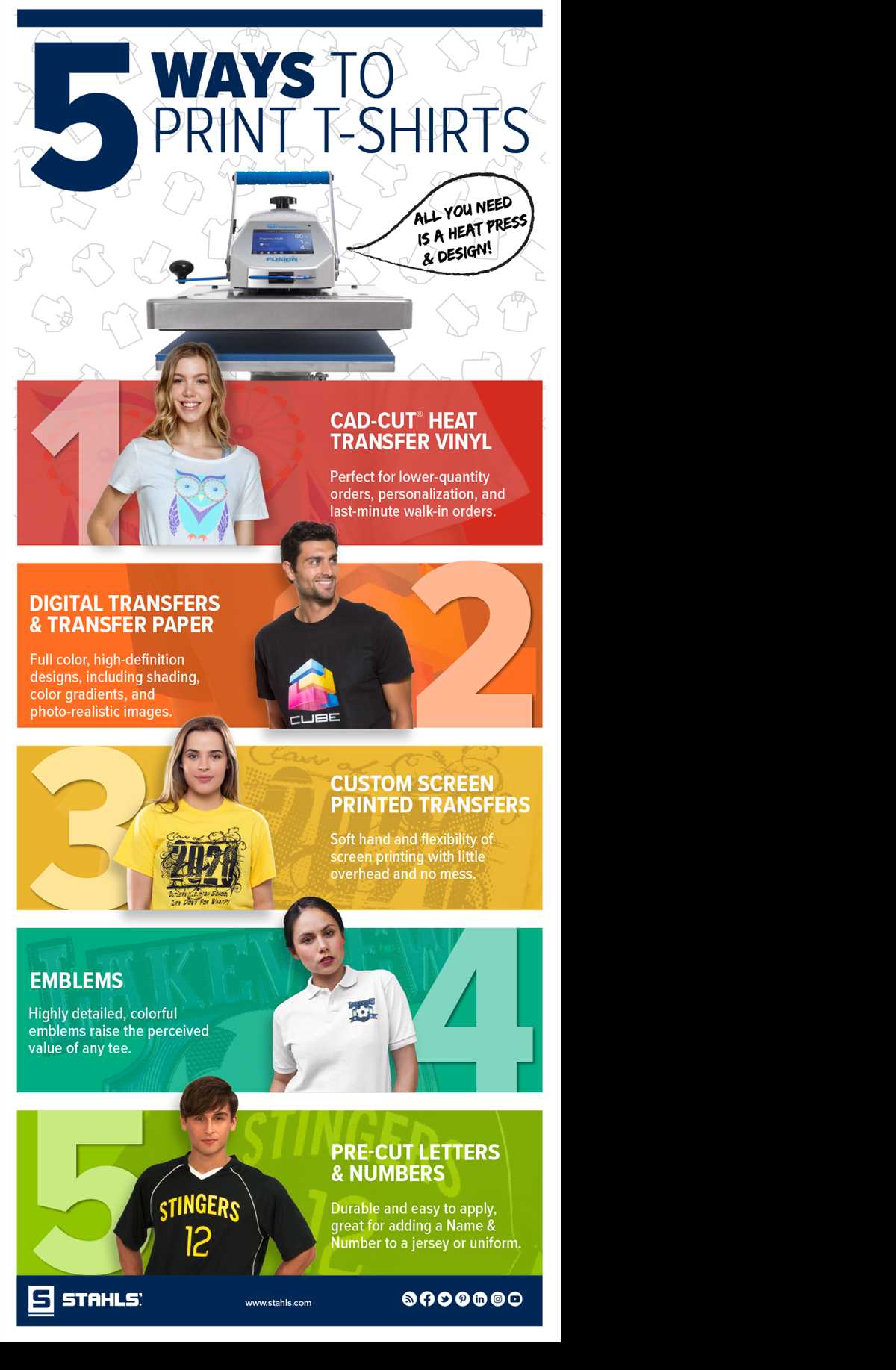
To get the best results when transferring designs onto fabric, it’s important to select the right transfer material. Use high-quality transfer sheets specifically designed for clothing, as these will ensure that your designs hold up over time and resist fading. Avoid using general-purpose materials that may not withstand repeated washes.
Before starting, ensure that the material you select is compatible with your fabric type. Cotton and polyester blends typically work well with most transfer options, but some materials like silk or spandex may require special sheets designed for delicate fabrics. Always check the manufacturer’s guidelines to avoid any issues during the transfer process.
When printing your design, make sure the resolution is set to at least 300 dpi to prevent pixelation. Print your image in reverse (mirrored) to ensure that it transfers properly when applied to the fabric. If you’re using an inkjet printer, make sure it’s compatible with the transfer paper type you’ve chosen.
Once your design is printed, use an iron or heat press according to the instructions on the transfer sheet packaging. Applying even pressure and correct heat is key to ensuring a smooth, long-lasting transfer. Always let the design cool completely before touching it to ensure it has fully adhered to the fabric.
Choosing the Right Printable Paper for Shirt Designs
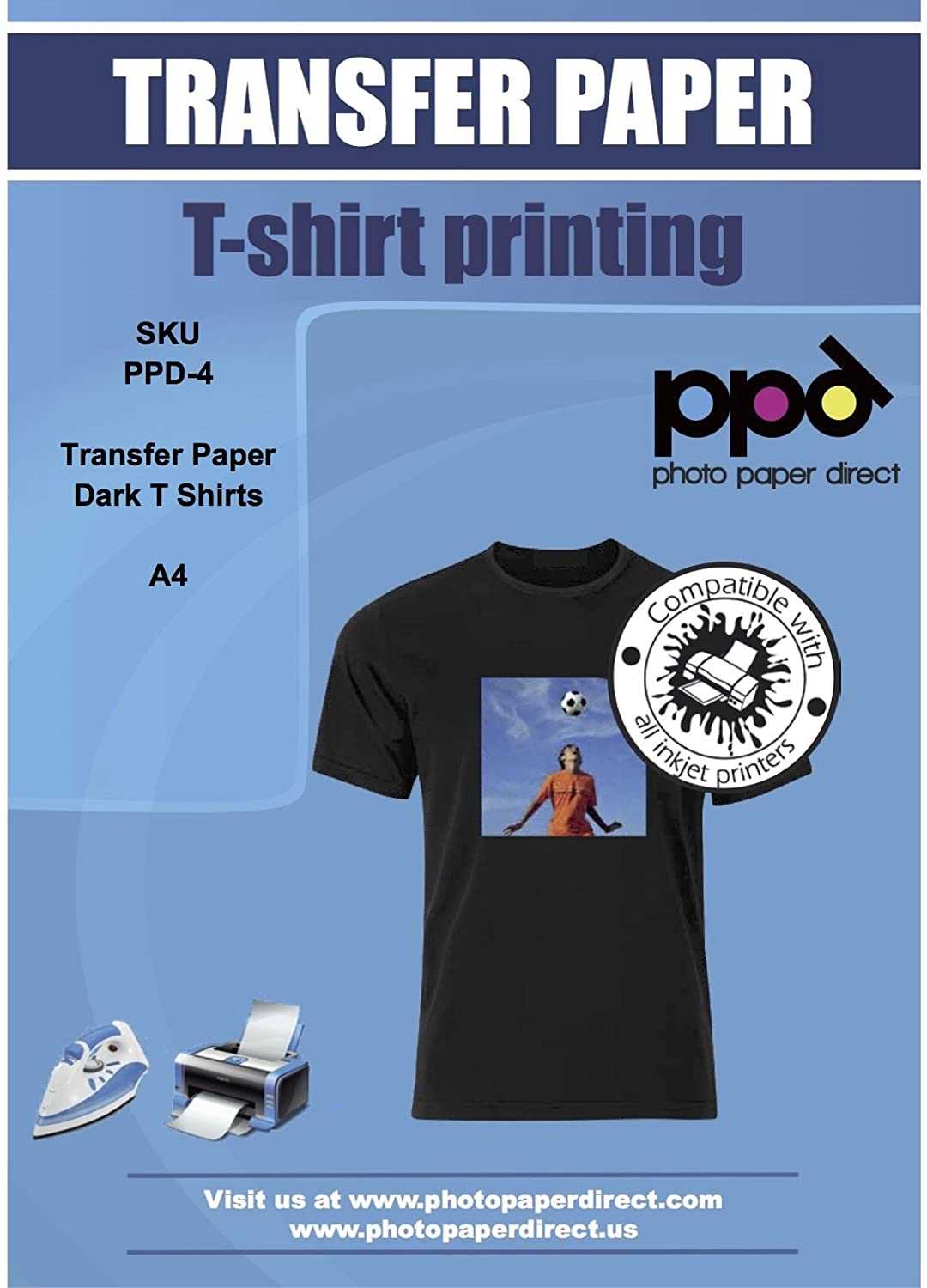
Selecting the correct transfer medium is key to achieving sharp and durable designs on fabric. Look for materials specifically created for textile applications, as these are formulated to bond well with fabrics without peeling or fading. High-quality products ensure that your artwork withstands regular wear and multiple washes.
The thickness of the transfer material plays a significant role in the outcome. Lighter sheets are more suitable for delicate fabrics, while heavier ones offer better durability on thicker materials. Make sure to choose an option that suits the fabric’s weight and texture to ensure the best adhesion and longevity.
Compatibility with your printing method is another factor to consider. If you use an inkjet printer, select transfer media designed for inkjet technology. These materials have a special coating that allows ink to bond properly during the transfer process. Laser printers, on the other hand, require heat-sensitive media designed for that specific printing type.
Pay attention to the finish of the transfer material. Glossy finishes create vibrant, sharp designs, but they may not feel as soft on the fabric compared to matte options. Matte finishes offer a more subtle look and a softer texture, making them ideal for designs that will be worn frequently or in close contact with skin.
For darker fabrics, opt for transfer materials that are specifically made for dark-colored backgrounds. These transfers are designed with a special backing that helps the design appear vivid and sharp against darker shades. Light-colored fabric transfers won’t yield as vibrant results on darker materials.
Before making a final decision, test the material by transferring a sample design to a scrap piece of fabric. This allows you to assess how well the material adheres and how the design appears once transferred. It’s also a good way to check the material’s washability and overall durability.
Lastly, always follow the manufacturer’s instructions carefully. Each type of transfer medium may have specific requirements for temperature, pressure, and time during the heat transfer process. Ensuring proper application will help the design last longer and maintain its quality after multiple washes.