Choose a sturdy 250–300 gsm matte stock and limit each layout to one clear message block to avoid clutter and ink bleed. Compact message sheets used for reminders, study prompts, or gift inserts work best at 3×5 or 4×6 inches, where text remains readable without wasting paper. Margins of at least 0.25 inches prevent trimming errors on home printers, while soft neutral backgrounds reduce toner consumption by up to 18% compared with full-color fills.
Focus on usability before decoration: align text left for quick scanning, keep font size between 11–14 pt, and avoid more than two typefaces per design. For frequent use, prepare batch layouts on US Letter or A4 with crop marks so multiple pieces can be cut in one pass. Consistent spacing and restrained color accents produce cleaner results than heavy graphics, especially on standard inkjet devices.
Printable Note Cards Practical Guide for Design and Use
Use a grid-based layout with 0.125-inch bleed and keep decorative elements at least 5 mm from trim lines to prevent edge loss during cutting. A balanced front area paired with a lightly ruled reverse side improves readability for study prompts, thank-you slips, and quick reminders.
Match the material weight to the purpose: 200–220 gsm suits bulk classroom sets, while 270–300 gsm handles premium greeting inserts that must hold shape. Choose dye-based inks for brighter color accents and pigment inks for archival durability. Test one sheet before full production and check fold direction on scored designs; paper fibers should run parallel to the fold to avoid cracking.
How to Choose the Right Paper Size and Card Dimensions for Printable Note Cards
Select the final piece size before designing the layout; resizing later often distorts spacing and trim safety.
For quick reference slips, the most practical formats are:
- 3×5 inches – fits standard index boxes and study organizers.
- 4×6 inches – balanced area for short messages or mini greetings.
- A6 (105×148 mm) – convenient for European A4 sheet imposition.
Match sheet size to your printer’s native support to reduce scaling errors. Home devices typically handle A4 or US Letter with the highest accuracy.
Use this cutting layout logic:
- Place four 4×6 designs on one Letter sheet.
- Place eight A7 pieces on A4 for minimal waste.
- Keep at least 6 mm between items for clean trimming.
Paper thickness affects perceived quality. Thin 160–180 gsm bends easily in pockets, while 250–300 gsm maintains a firm feel suitable for keepsakes and gift enclosures.
Consider printer margins. Many home printers cannot print edge to edge, so leave a safe zone of 0.25 inches on all sides unless using borderless mode.
Test scaling settings before bulk runs. Disable “fit to page” and print at 100% size; automatic scaling often shrinks layouts by 3–5%, which misaligns cutting guides.
Store finished pieces flat in a dry place. Humidity above 60% can cause curling, especially on heavily inked designs.
How to Pick Themed Letter Puzzles by Age and Skill Level
Best Paper Settings and Layout Tips for Clean Puzzle Sheets
Creative Ways to Use Holiday Letter Hunts in Class or at Home
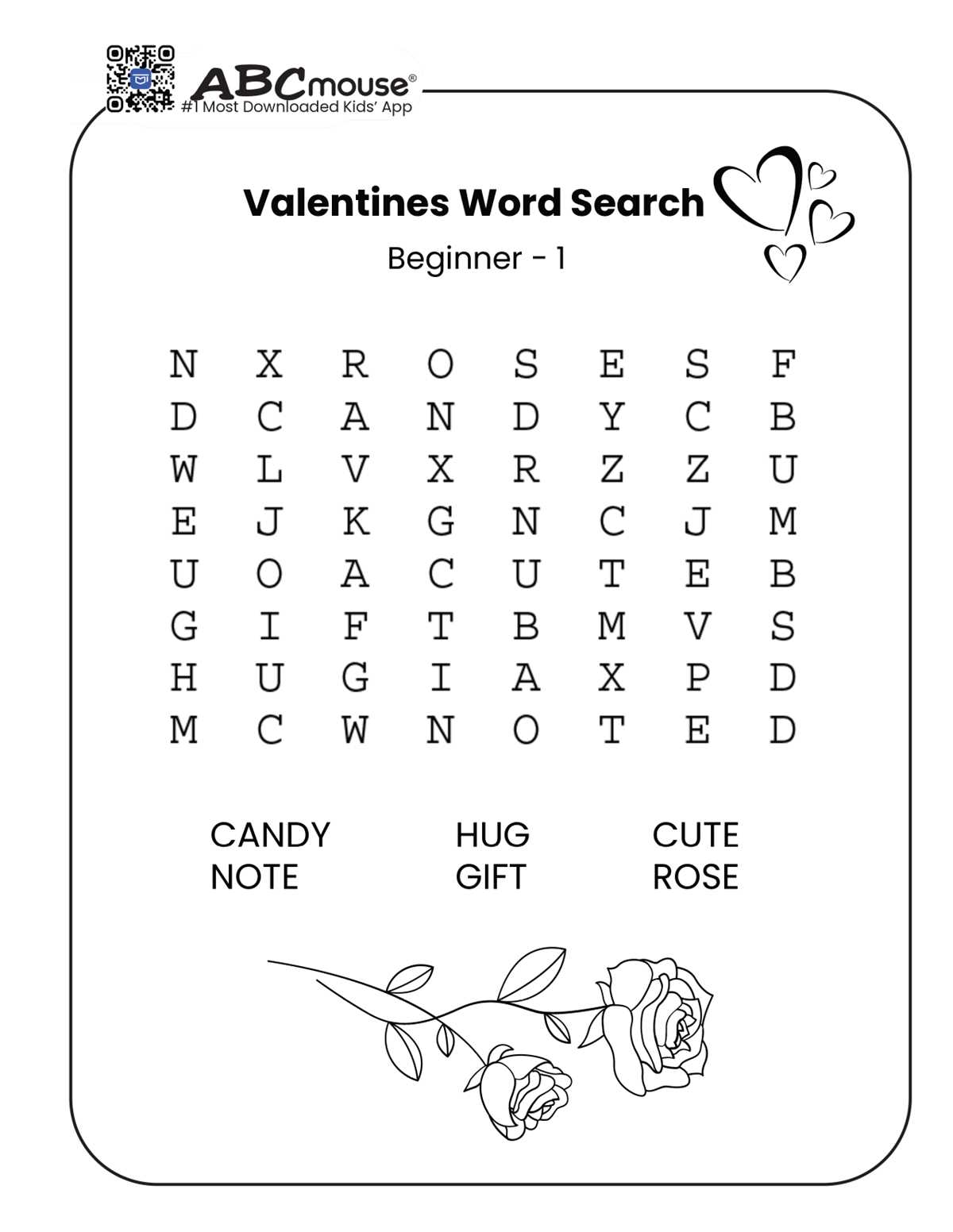
Choose themed letter puzzles with grids sized between 10×10 and 15×15 characters to match the reader’s skill level and attention span. Compact sheets with clear line spacing reduce visual strain, while bold headings help children recognize the task quickly. Black text on a white background saves up to 20% of ink compared with decorative fills and keeps symbols sharp on standard home printers.
Focus on practical setup: keep each puzzle on a single A4 or Letter page, leave at least 0.3-inch margins for trimming, and group answer keys on a separate sheet for classroom use. Add seasonal icons sparingly so they support the theme without crowding the grid. For repeated use, laminate finished pages or place them in dry-erase sleeves; this extends usability and reduces paper waste during February activities.
Choose a clean layout with a fixed margin of at least 0.25 inches on all sides to prevent trimming errors and keep text readable. Compact message sheets work best at 3×5 or 4×6 inches, while thicker stock between 200–300 gsm provides a sturdy feel that holds up during handling.
Use high-contrast typography and limit each side to one clear purpose, such as reminders, study prompts, or quick greetings. A grid-based structure improves alignment and saves space, while rounded corners (3–5 mm radius) reduce wear. Store finished designs as PDF files at 300 DPI to maintain sharp output across home and office printers.
Printable Note Cards: Practical Guide for Design and Use
Select a canvas size that matches your final trimmed format, such as 4×6 inches at 300 DPI, and keep all text at least 0.2 inches from the edge. Use matte or lightly textured stock around 220–270 gsm to balance durability with smooth writing. Limit font pairings to two families and keep body text between 10–12 pt for comfortable reading.
Organize each layout with a clear hierarchy: header, writing area, and optional footer. Light guide lines at 15–20% gray help handwriting without distracting from the design. Test one physical sample before batch production, checking ink saturation, alignment, and fold accuracy.
How to Choose the Right Paper Size and Card Dimensions for Printable Note Cards
Pick the finished format first, then match the sheet size to reduce waste. For short messages, 3×5 inches saves space; for detailed content, 4×6 inches offers more writing room.
Use these common pairings:
- 3×5 inch pieces → print four per US Letter sheet
- 4×6 inch pieces → print two per US Letter sheet
- A6 format → print two per A4 sheet
Keep bleed settings at 0.125 inches only if artwork reaches the edge; otherwise, skip bleed to simplify trimming.
Paper weight affects usability. Thin stock under 160 gsm bends easily, while 200–300 gsm holds shape during mailing and handling.
Choose orientation based on purpose:
- Landscape for short reminders
- Portrait for longer handwritten text
- Folded format for greeting-style layouts
Check printer margins before finalizing dimensions. Many home printers cannot print closer than 0.2–0.25 inches from the edge, which reduces usable space.
Run a draft on plain paper first and cut it to size. This quick physical test reveals spacing problems that are easy to miss on screen.
Standardize one or two sizes across your projects to simplify storage, envelopes, and repeat printing.
How to Pick Age Appropriate Letter Hunt Puzzle Difficulty
Best Page Layout Settings for Clean Home Printing Results
Creative Ways to Use Love Themed Letter Puzzles in Classrooms
Choose puzzles with a grid between 12×12 and 18×18 characters for balanced challenge and quick completion. Use bold uppercase letters and keep line spacing consistent so each hidden term remains clear after home output.
Select PDF files saved at 300 DPI and print on standard 80–100 gsm paper for smooth handling. A margin of at least 0.25 inches prevents clipping, while simple black text keeps ink usage low and readability high.
Smart Ways to Create High-Quality Print-at-Home Message Sheets
Use a resolution of 300 DPI and export designs as PDF rather than JPG to prevent blurry text. Vector fonts keep edges sharp on both laser and inkjet devices.
Keep the grid evenly spaced. Cells sized between 0.35 and 0.45 inches allow comfortable marking with pencils or markers.
Limit decorative graphics to the header area so the puzzle field stays clear and easy to scan.
Choose black or dark gray text instead of light colors; pale tones often fade on home equipment.
Test one sample using the exact printer and paper planned for the final batch. Check alignment, ink spread, and margin accuracy.
For classroom sets, place two puzzle pages per sheet with cut marks. This reduces paper use and speeds preparation.
Store master files in both editable format and flattened PDF so future edits remain simple.
Label each version with grid size and difficulty level in the footer to avoid confusion during reuse.