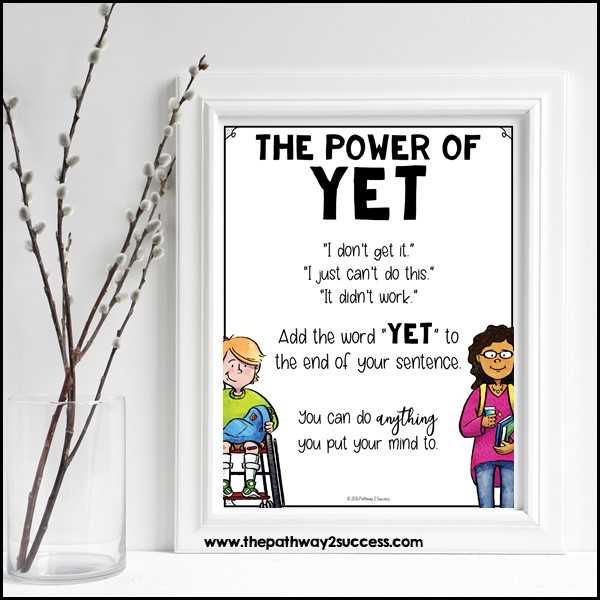
Setting up an area dedicated to mindfulness and relaxation is straightforward with the right tools. Choose resources that promote calmness, focus, and stress relief. Incorporating activities like breathing exercises or simple meditation prompts can make the space more inviting for people of all ages.
To enhance the atmosphere, focus on visual aids like calming illustrations, affirmations, or simple prompts that encourage a sense of serenity. Make sure to print them out in various sizes to suit different spaces. Activities like journaling or drawing can also provide a therapeutic outlet for stress.
When selecting printable resources, focus on designs and instructions that promote engagement without overwhelming the mind. The materials should encourage quiet reflection or gentle movement. Activities like coloring or matching exercises can engage both children and adults, providing moments of peaceful concentration.
In addition to visuals, consider including printables that guide users through grounding techniques or positive affirmations. These tools can help users center themselves and feel more relaxed during moments of tension. Make sure to have options that cater to different preferences and comfort levels.
Lastly, make sure the resources are easy to access. Consider organizing them in a simple folder or binder, making it easy to pull out a new sheet whenever needed. This ensures that the space remains accessible and calming at all times, encouraging regular use and mental rejuvenation.
Resources for Mindfulness and Relaxation Activities
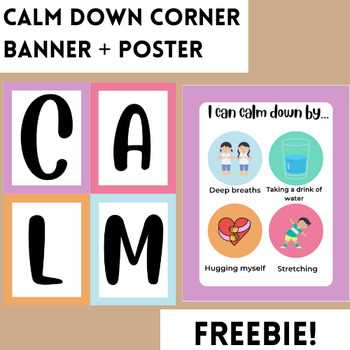
To create a space for mindfulness, start by incorporating calming visuals such as nature-themed artwork, simple patterns, or positive affirmations. Use materials that promote focus and inner peace without causing distractions. These resources can easily be printed and displayed within reach to create a serene environment.
Printable tools like breathing exercise charts can guide individuals through deep breathing techniques. Include step-by-step instructions with visual cues, so users can follow along even if they’re new to mindfulness. These tools help promote calmness and reduce stress quickly and effectively.
Incorporating grounding exercises is another effective way to help individuals focus and reconnect with the present moment. Include printable worksheets with simple instructions for grounding techniques, such as the 5-4-3-2-1 method. This exercise engages the senses and provides a moment of calm when tension builds.
Printable journals or affirmation cards are also powerful tools for fostering a peaceful mindset. Use these resources to encourage reflection or self-expression. Journals can include prompts that focus on gratitude or mindfulness, while affirmation cards can provide positive statements to repeat during moments of anxiety.
Incorporating tactile activities like fidget tools or stress-relief coloring pages also offers a hands-on approach to relaxation. These printable activities encourage mindfulness through physical engagement. When designing these tools, ensure the themes are simple and non-overstimulating, which can enhance the calming experience.
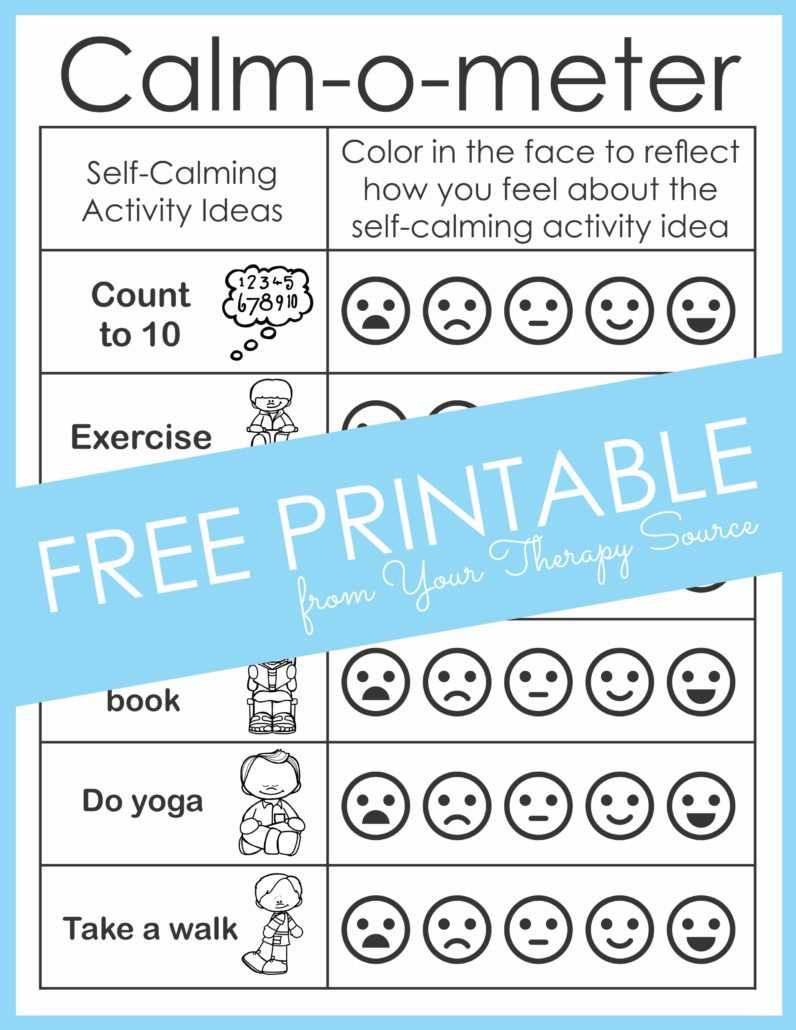
Another resource worth adding is a “calm down” checklist. This can guide individuals through a series of steps to follow when feeling overwhelmed. Include printable checklists that include breathing exercises, relaxation techniques, and a reminder to take a break. These checklists can be laminated for repeated use.
Finally, make sure these resources are easy to store and access. Create a system where they can be kept in one place, ready to be used whenever needed. A simple folder or binder can help keep these materials organized and easily available, which can make it easier for individuals to turn to them during stressful moments.
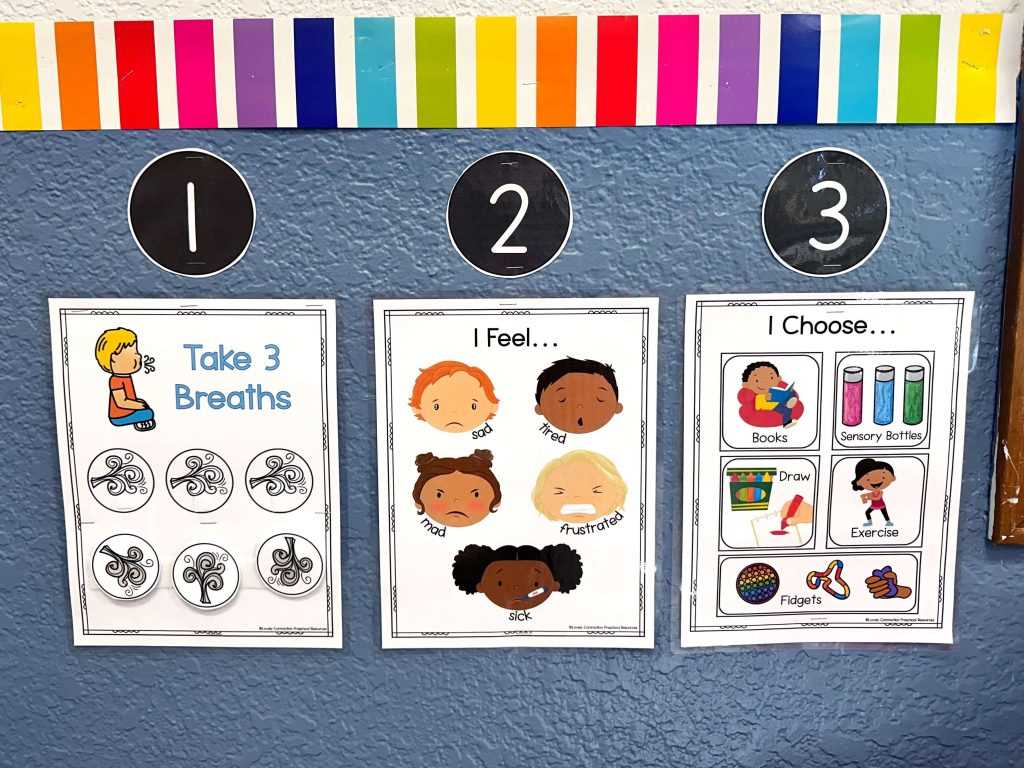
By providing a variety of relaxation resources, you can create an environment that promotes mental well-being and helps reduce stress. Regular use of these tools can significantly contribute to cultivating mindfulness and improving emotional resilience over time.
How to Set Up a Relaxing Space with Mindfulness Tools
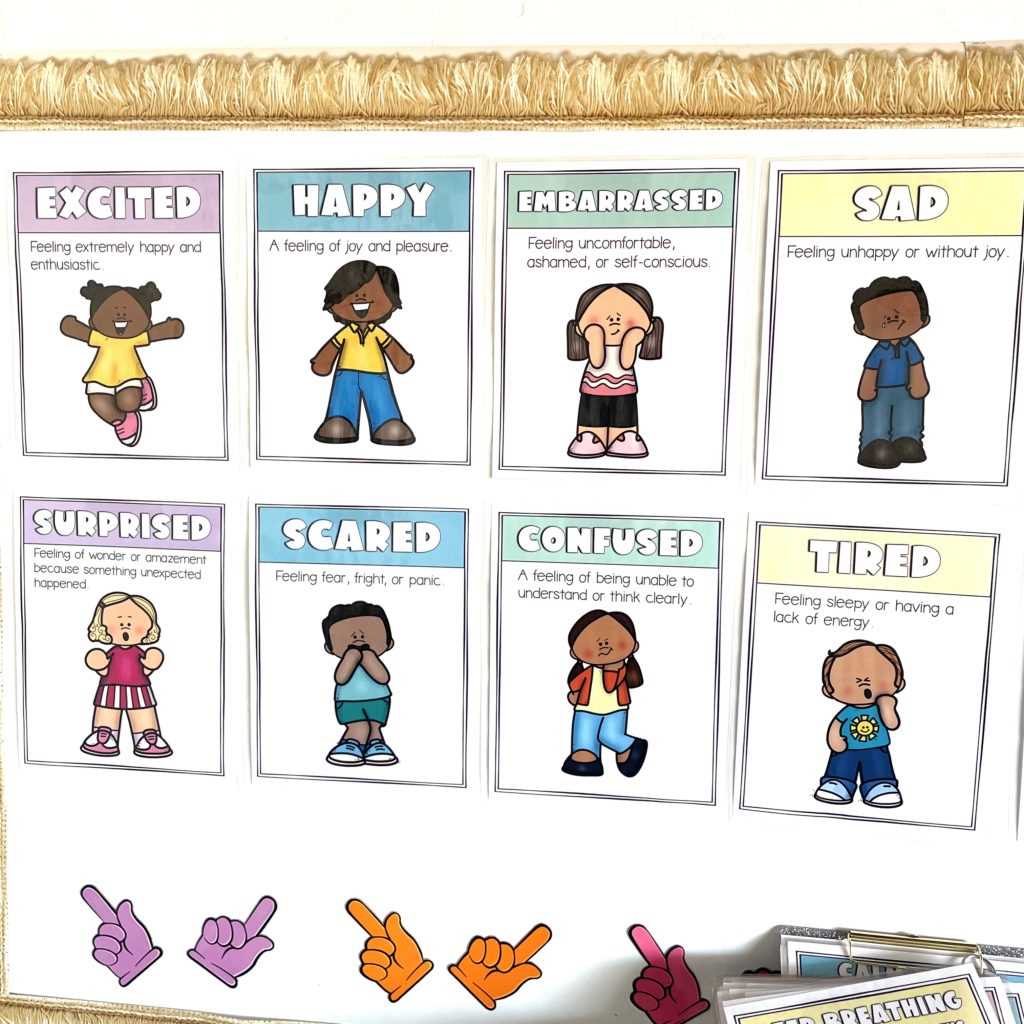
Choose a quiet, distraction-free area to create your space. This should be a place where you can sit comfortably without interruptions. Make sure the environment is well-lit but not harsh, with natural light or soft, warm lighting to create a soothing atmosphere.
Introduce calming elements like soft pillows or cushions for seating. These provide comfort and invite relaxation. You can also use textured throws or blankets to make the space more inviting and cozy. Soft textures help reduce stress and encourage a feeling of safety and restfulness.
Place visual aids like calming posters or artwork with soft hues. Nature-inspired images, such as ocean waves, trees, or mountains, can be especially helpful. These visuals promote relaxation and bring an element of serenity to the environment.
Incorporate a few mindfulness tools like stress-relief toys, tactile objects, or breathing exercise cards. Keep these items accessible so they can be used easily when needed. Breathing cards or guided imagery sheets are excellent for quick mental resets and help focus the mind.
Utilize soothing scents through essential oils or candles. Aromatherapy is known to enhance relaxation. Scents like lavender, eucalyptus, or sandalwood can help reduce tension. Choose scents that are calming but not overwhelming to maintain a peaceful atmosphere.
Include a journal or notebook for self-reflection. Writing down thoughts or feelings can help process emotions and create a mental space for clarity. Encourage journaling as a way to engage with the moment and record positive affirmations.
Keep the space organized and clutter-free. A tidy space fosters a clear mind. Regularly refresh the area to maintain its relaxing quality. Over time, the space will become associated with mindfulness, making it easier to engage in moments of peace and stillness.