Smart Ways to Design and Use Custom Message Sheets Choose a sturdy 200–300 gsm cardstock before creating your first set of small message sheets; thinner paper curls quickly and looks cheap after cutting. A matte surface handles handwriting better than glossy stock, especially with gel pens or ballpoints. Keep the standard size around 3×5 inches or 4×6 inches for easy storage in desk trays and planners. Limit each design to two fonts and one accent color to keep the layout clean and readable. Leave at least 0.25-inch margins on every side to prevent trimming errors. If the layout includes lines, space them 0.3–0.35 inches apart so handwriting stays neat and legible during daily use. Printable Note Cards Practical Guide for Design and Use Set the canvas to the final trim size rather than resizing later; this avoids blurry text and misaligned borders. Use a resolution of 300 DPI and CMYK color mode if the sheets will be produced on a home inkjet. Keep background graphics below 15% opacity so written text remains readable. Test one sample before batch production. Print a single sheet, cut it with a metal ruler, and check pen performance. If ink feathers, switch to coated cardstock or reduce ink density in the printer settings. Store finished pieces in a dry box to prevent edge warping and color fading. How to Choose the Right Paper Size and Card Dimensions for Printable Note Cards Pick the finished format first, then match the parent sheet. For compact reminders, 3×5 inches works well; for greetings or longer messages, 4×6 inches provides more writing space without wasting paper. Use common parent sheets to reduce trimming time and paper waste. A4 fits four 4×6-inch pieces with narrow margins US Letter fits two 5×7-inch pieces comfortably A5 works well for folding designs Check printer margins before finalizing the layout. Many home printers cannot print closer than 0.2 inches to the edge, so extend backgrounds slightly beyond the trim line if full-bleed color is required. Match thickness to purpose. Quick reminder slips work well at 180–220 gsm, while keepsake greeting pieces look better at 250–300 gsm. Plan cutting efficiency to save time. Arrange designs in a grid Add crop marks at each corner Leave at least 0.125-inch gutter between items Use a rotary trimmer for straight edges Consider storage early. If items will be kept in index boxes, stay within standard index sizes; custom dimensions often create clutter and require special holders. Print a scale test at 100% with no “fit to page” setting. Measure with a ruler. A mismatch of even 2–3 mm can cause envelopes or holders to fit poorly. Valentine Word Search Printables for Kids and Adults Fun Love Themed Letter Hunt Sheets for Kids and Adults Creative Love Holiday Letter Puzzle Pages for Home Use Valentine Word Search Printables Article Plan How to Pick Age Appropriate Letter Hunt Difficulty Levels Best Paper and Printer Settings for Clean Puzzle Pages Ways to Use Love Themed Letter Hunts in Class or at Home Choose Ready to Print Love Puzzle Sheets That Fit Your Audience Select grid size based on reader age; younger children handle 8×8 letter grids comfortably, while teens and adults prefer 12×12 or larger. Keep the hidden term list between 8 and 15 items to avoid clutter. Use high-contrast text such as dark gray on white paper for clean results on home printers. Leave at least 0.5-inch margins so classroom copiers do not cut off letters. Store finished pages flat to prevent curling before use. Smart Ways to Create High-Quality Print-at-Home Message Sheets Set document resolution to 300 DPI before exporting any home-use activity page. Lower settings create fuzzy letters that strain the eyes during puzzle solving. Choose clean sans-serif fonts such as Arial or Montserrat at 14–18 pt for body text. Decorative typefaces work only for titles. Keep line weight consistent. Grid lines between 0.75 pt and 1 pt print clearly without overpowering the letters. Limit heavy background colors. Large ink coverage increases drying time and may cause smudging on standard home printers. Test on the actual paper stock planned for distribution. Bright white 90–120 gsm paper gives the sharpest classroom copies. Export to PDF with embedded fonts so spacing stays intact across different devices and printers. Add a small footer with page number or theme label; this helps teachers sort mixed activity stacks quickly. Print one proof copy and check alignment, readability, and margin safety before producing multiple sheets. Jingle Bells Song Lyrics Printable Sheet Clean Holiday Song Text Sheet for Easy Home Printing Ready to Use Festive Carol Words Page for Class or Home Lyrics Jingle Bells Printable Article Plan How to Format Holiday Song Text for Clear Reading Best Paper Types for Home Printed Carol Sheets Ways Teachers and Parents Use Festive Song Pages Use a Clear Large Font Before Preparing Any Festive Song Sheet Set the main text between 18–22 pt so singers can read comfortably from a short distance. Choose a clean serif or sans-serif font and keep line spacing at 1.2–1.4 for better legibility. Keep verses separated with extra spacing rather than heavy divider lines. Print a sample copy and view it from two meters away to confirm readability in group settings. Printable Note Cards for Everyday Organization and Quick Messages Cut small reminder slips from 200–250 gsm cardstock so they stay flat inside planners and desk trays. Use simple layouts with wide writing space. Top header for category Main blank area for handwriting Small footer for date or initials Keep standard sizes such as 3×5 or 4×6 inches to fit common storage boxes. Batch print multiple designs on one parent sheet to reduce paper waste and cutting time. Store finished pieces in a dry container to prevent corner curling and surface wear during daily handling. Autumn Craft Printables for Kids and Home Projects Creative Fall Craft Pages for Kids Classroom and Home Use Fun Autumn Activity Sheets for Easy Home Printing Projects

autumn craft printables

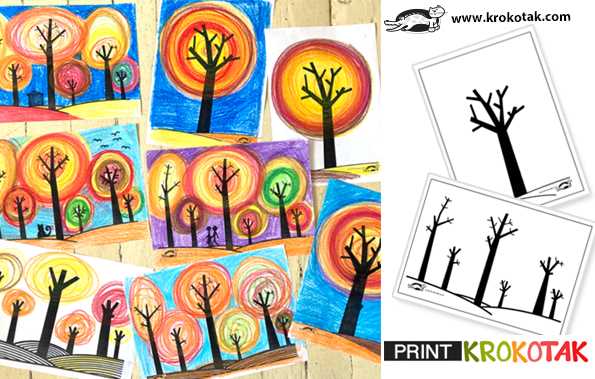
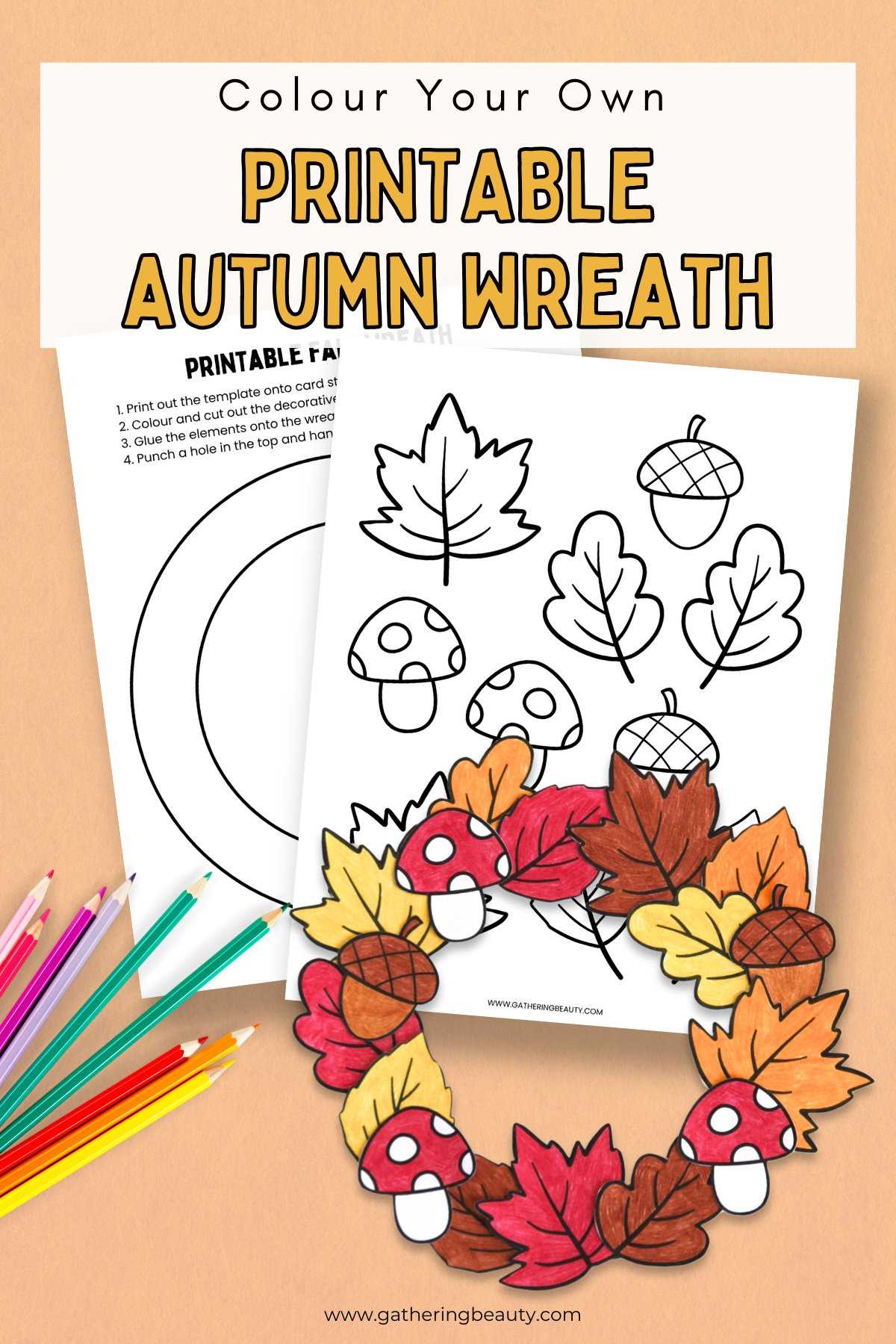
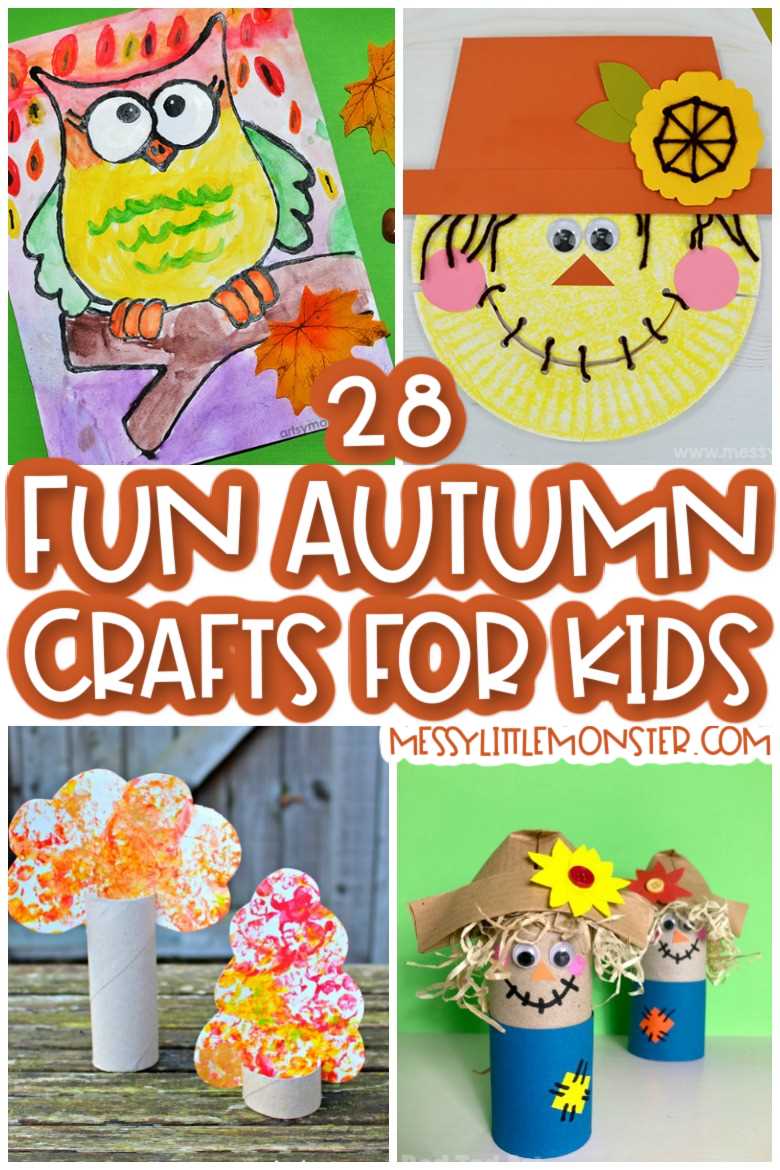
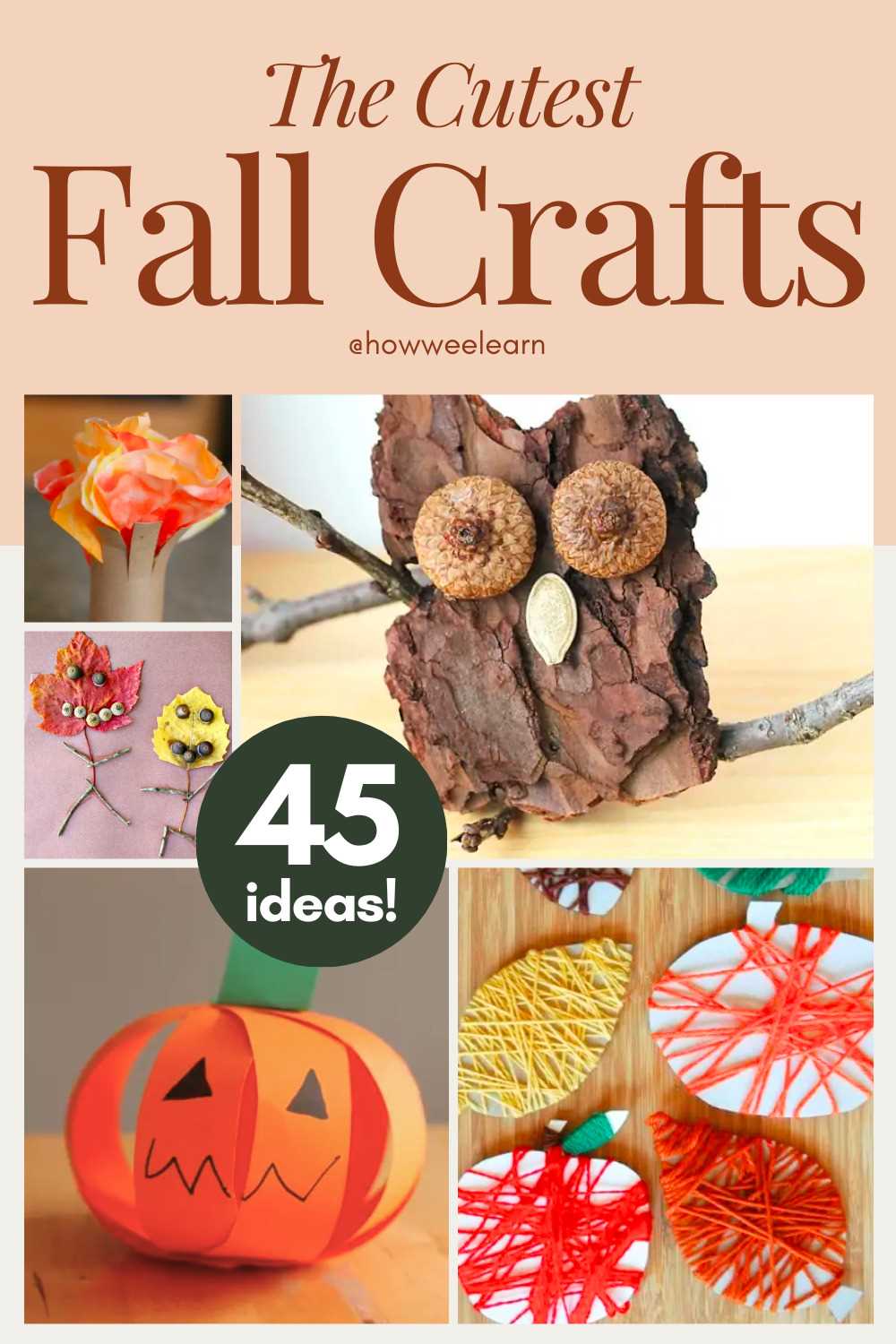
Download themed activity pages in PDF format and print them on thick matte paper (160–200 gsm) to get clean lines and reduce ink bleeding during coloring. Choose designs with bold outlines and simple shapes for younger children, while older kids benefit from detailed templates featuring woodland animals, harvest scenes, and geometric leaf patterns.

For home use, keep a small folder of ready-to-print pages organized by difficulty level. Sets with tracing paths, cut-and-assemble figures, and color-by-number images help maintain attention for 15–25 minutes, which matches the average focus span of children aged 4–8. Laminating frequently used sheets allows repeated use with dry-erase markers and reduces paper waste.

Teachers and parents get better results by pairing these themed worksheets with specific materials. Wax crayons work best for broad coloring areas, while fine-tip markers suit intricate illustrations like acorns, mushrooms, and falling foliage. For cutting activities, safety scissors with 5-inch blades provide the right balance of control and comfort for small hands.

To keep preparation time under five minutes, store files in clearly labeled folders such as “leaf outlines,” “harvest scenes,” and “animal templates.” This simple system makes it easy to rotate fresh pages weekly and maintain children’s interest throughout the cool-weather months.

Printable Note Cards for Everyday Organization and Quick Messages
autumn craft printables

Choose a 3.5×5 inch or A6 layout and print your note cards on 200–250 gsm matte cardstock for the best balance between durability and easy handwriting. This size fits standard desk trays and small planners, making the cards practical for daily reminders, short thank-you notes, and quick task lists.

For household organization, prepare a small stack with pre-labeled headers such as “Call,” “Buy,” and “Follow up.” Keep them near the phone or on the kitchen counter. A set of 20–30 cards per category usually covers one week of active use without creating paper clutter.

Design clarity matters more than decoration. Use high-contrast text (dark gray or black on a light background) and leave at least 0.5 inch margins on all sides. If you prefer themed visuals, limit graphics to the top 20% of the card so writing space stays generous and readable.

To speed up printing sessions, arrange four cards on a single US Letter page with light cut guides. Print in batches of 5–10 sheets and trim using a paper cutter rather than scissors; this reduces uneven edges and saves several minutes per batch.

Store finished cards vertically in a small index box or divided drawer. Label sections by purpose–messages, errands, school notes–to cut search time during busy mornings. Users who maintain this system typically report grabbing the right card in under five seconds.

Refresh your designs every few months to keep the system visually appealing and easy to spot on a crowded desk. Rotating color palettes, subtle seasonal motifs, or updated headers prevents the cards from blending into other paperwork while keeping your daily communication quick and organized.

Printable Note Cards Practical Guide for Design and Use
autumn craft printables

Choose a finished card size of 4.25×5.5 inches (A2 format) for the most versatile home printing result. This format fits standard envelopes and allows two cards per US Letter sheet without scaling. Set document resolution to 300 DPI and add a 0.125-inch bleed on all sides to prevent white edges after trimming. Use CMYK color mode if files may later go to a print shop; for home inkjet output, RGB is acceptable but test one sheet before batch printing.

Typography determines readability and perceived quality. Limit the design to two font families: one serif or clean sans-serif for body text (10–12 pt after folding) and one decorative display font for headings. Maintain at least 0.25-inch safe margins inside the trim line to avoid clipped text. For seasonal leaf-themed designs, muted palettes such as #C46A2E (burnt orange), #7A8F4E (olive), and #8B5E3C (warm brown) print reliably on most consumer printers without oversaturation.

Paper choice directly affects durability and color depth. Recommended options:
autumn craft printables

  • 80–100 lb (216–270 gsm) cover stock for greeting-style cards.
  • Matte finish for handwritten notes with gel or ballpoint pens.
  • Light linen texture for a tactile feel without ink bleeding.
  • Recycled off-white stock for a softer seasonal aesthetic.

Avoid glossy sheets unless using pigment ink; dye ink tends to smear during folding.

Prepare files with precise folding and cutting guides. Place a thin (0.25 pt) fold line at the exact center and include crop marks outside the bleed area. For home workflow, print one test sheet, trim with a metal ruler and rotary cutter, then score the fold using a bone folder or the back of a butter knife. Batch printing works best in groups of 10–15 sheets to prevent printer overheating and color drift.

Use note cards strategically rather than as generic stationery. They work well for short thank-you messages, classroom tags, small gift inserts, and seasonal correspondence sets. Store finished pieces flat in a dry box with silica packets; humidity above 60 % can warp heavy stock within weeks. Rotate designs every few months and keep layered source files (AI, PSD, or SVG) so color schemes and text blocks can be updated quickly without rebuilding the layout.