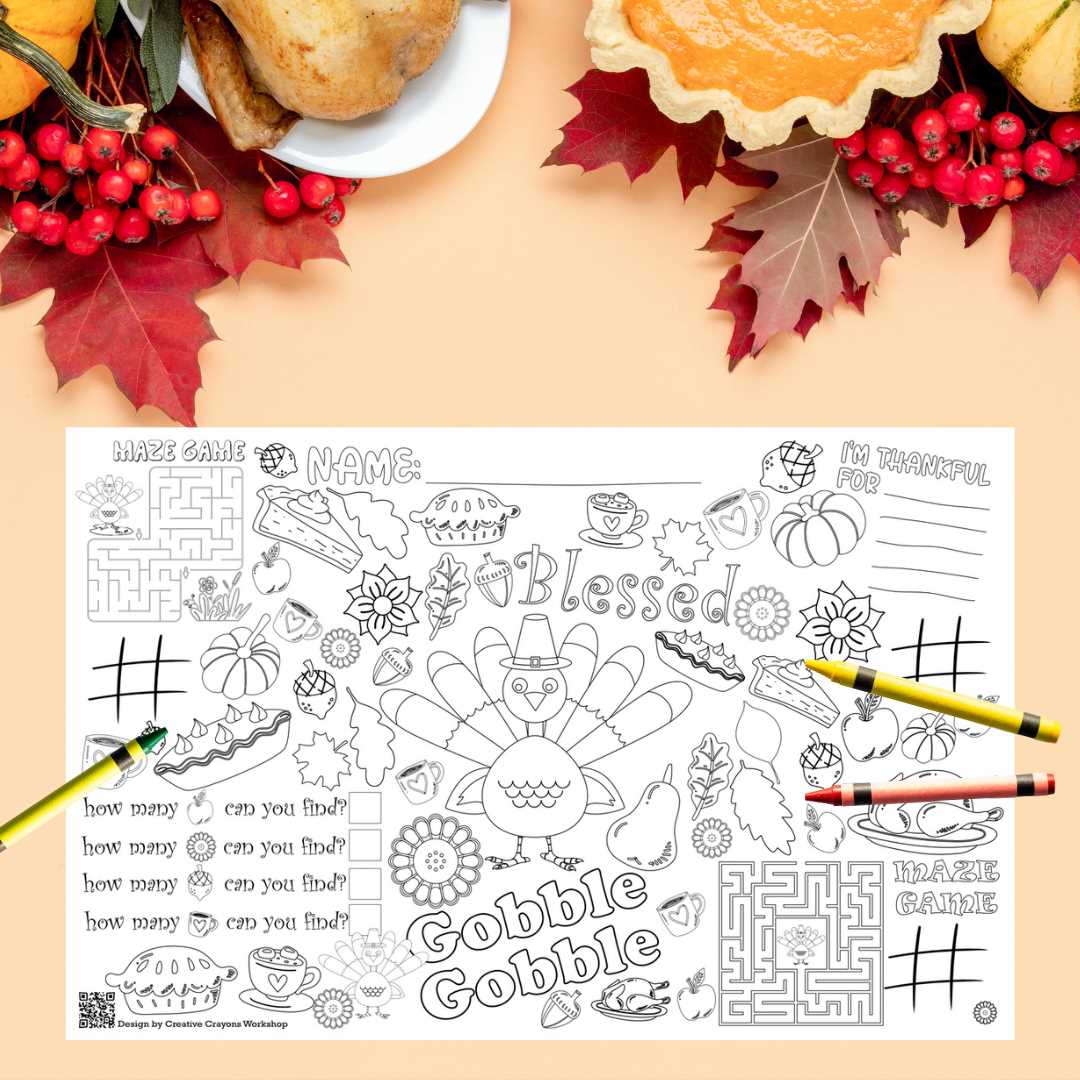
Choose a themed activity sheet with interactive elements–such as mazes, word searches, and coloring sections–to keep guests, especially children, engaged during the holiday meal. A well-designed sheet sized for standard US Letter (8.5×11 inches) or A4 paper fits neatly under plates and adds both entertainment and decoration to the table setting.
Look for layouts that include seasonal motifs like pumpkins, turkeys, falling leaves, and gratitude prompts. Designs with clearly defined margins (at least 0.5 inches) print cleanly on most home printers without cutting off artwork. For durability, use 120–160 gsm paper or lightweight cardstock; this prevents tearing when kids color or trace puzzles.
For the best visual impact, select files prepared at 300 DPI resolution and print in color mode, even if the design is mostly black line art. Pair the sheet with a small pack of crayons or washable markers at each place setting. This small addition reduces restlessness at the table and gives younger guests a focused activity while the meal is being served.
Families hosting large gatherings benefit from preparing a mixed set: simple coloring pages for toddlers, puzzle-heavy versions for older children, and gratitude-themed prompts for adults. This layered approach turns a simple table accessory into a coordinated part of the holiday experience without adding significant cost or prep time.
Thanksgiving Printable Placemat: Practical Guide for Home and Classroom Use
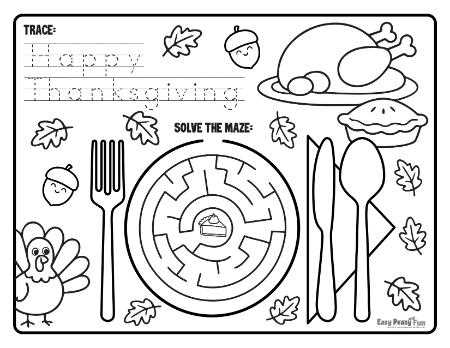
Choose a high-contrast holiday table sheet sized at 8.5×11 inches for standard home printers; this format minimizes trimming and fits most laminating pouches. For repeated use with children, print on 200–250 gsm cardstock rather than regular copy paper–this prevents curling from spills and marker pressure. If supplies are limited, grayscale mode cuts ink usage by up to 40% while keeping activity lines readable.
For family meals, select designs that combine coloring zones with simple word games. Sheets that include a small maze, a gratitude list, and a coloring border keep children occupied for roughly 15–25 minutes, based on classroom timing data. Avoid overcrowded layouts: leave at least 0.5-inch margins so plates and cups do not cover the activity area. Lamination adds wipe-clean functionality when paired with dry-erase markers.
Teachers should prepare differentiated versions to match age groups. Preschool learners benefit from bold outlines (minimum stroke width 2–3 pt) and large shapes, while grades 2–4 respond better to mixed tasks such as word scrambles or counting prompts. Keep reading difficulty at least one level below the class average to prevent frustration during holiday events.
- Preschool: tracing paths, simple coloring icons
- Kindergarten–Grade 1: picture matching, number counting
- Grade 2–4: word search, short writing prompts
- Mixed groups: gratitude prompts with drawing space
Printing setup affects usability more than design choice. Use “actual size” or 100% scale in the print dialog; automatic scaling often shrinks borders and misaligns game grids. For classrooms printing 25+ copies, duplex off and draft mode on reduces jams and speeds production. Stack finished sheets under a heavy book for ten minutes to keep them flat before distribution.
Storage and reuse save time across the season. After laminating, sort sheets by difficulty in labeled folders or zip bags. Dry-erase ink should be wiped within a few hours to avoid ghost marks; alcohol wipes remove stubborn residue. If lamination is unavailable, slip each sheet into a clear document sleeve–this provides similar wipe-clean use at lower cost.
Measure engagement by observing how long children remain focused without prompts. If attention drops below ten minutes, replace dense puzzle sheets with larger coloring areas or add a simple scavenger task at the table. Small adjustments to layout, paper weight, and task complexity typically extend independent activity time during holiday meals and classroom celebrations.
How to Choose the Right Holiday Table Activity Sheet for Different Age Groups
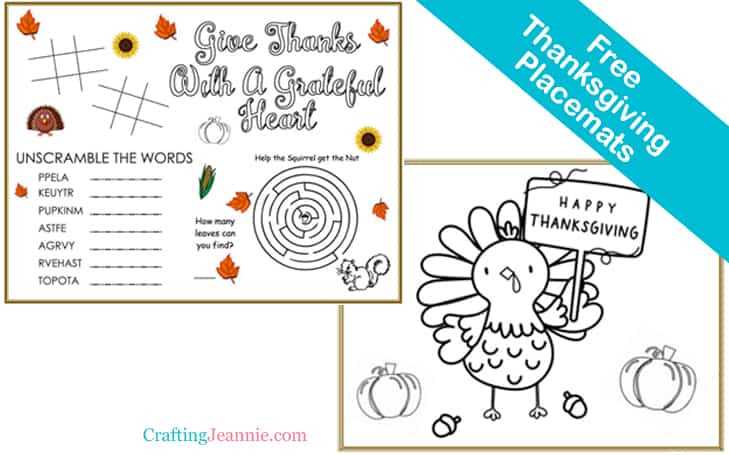
Select designs based on the child’s developmental stage: for toddlers (ages 2–4), pick large, simple illustrations with thick outlines and minimal small details. Sheets sized around A4 with bold shapes like pumpkins, leaves, or turkeys help prevent frustration and keep attention longer than busy layouts. Choose versions with guided coloring areas or basic matching games rather than word-based tasks.
For children ages 5–8, look for activity mats that mix coloring with light interaction such as mazes, dot-to-dot pictures (up to about 50 points), or simple word searches using large fonts (at least 14–16 pt). Paper density matters here–anything under 100–120 gsm tends to wrinkle quickly when kids use markers. At this stage, themed trivia or counting games increase engagement, but avoid overcrowded pages; leave visible white space so the surface doesn’t feel chaotic. If multiple kids will use the sheets at one table, choose horizontal layouts that fit standard dinner settings without covering utensils.
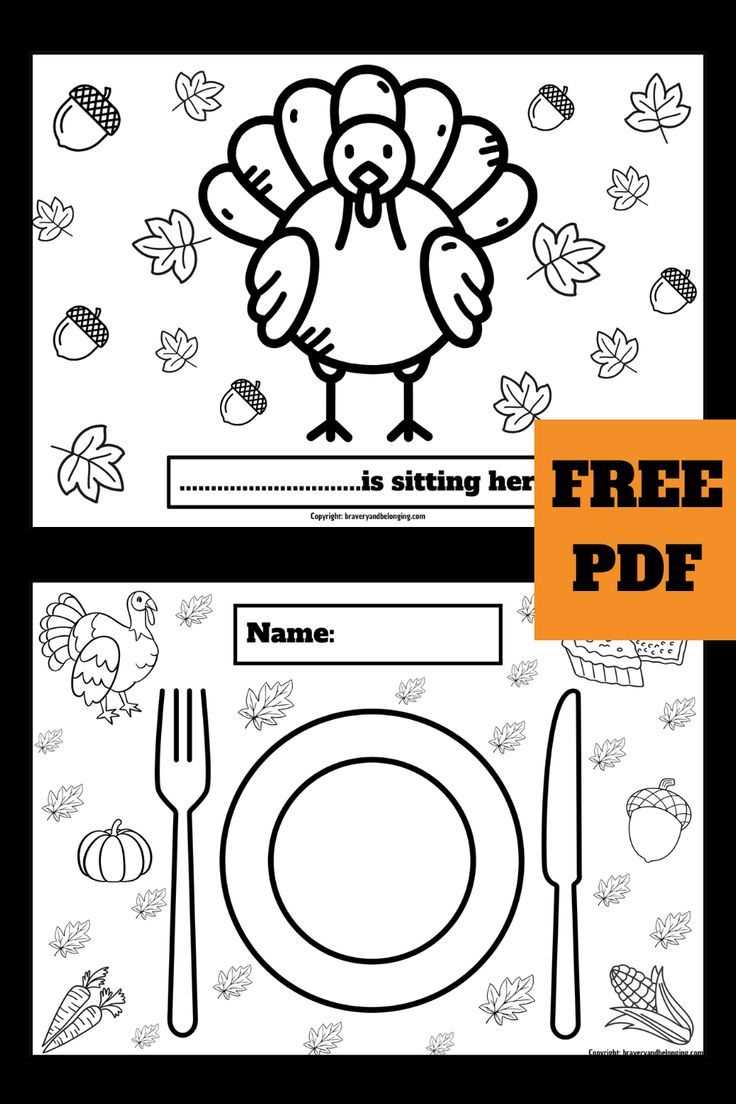
For ages 9+, choose puzzle-heavy formats–crosswords, logic grids, or themed quizzes–and ensure the design looks more mature, with cleaner typography and fewer cartoon elements.