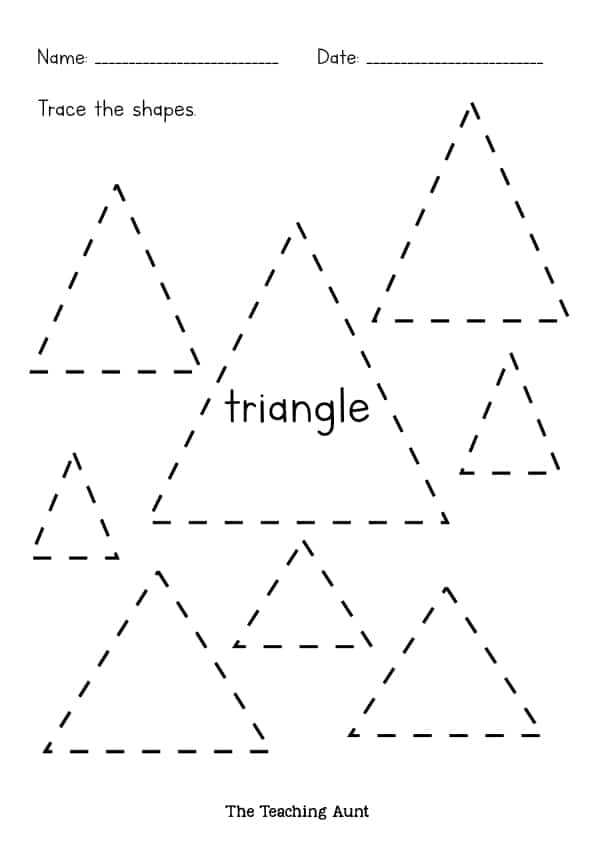
Start by introducing geometric figures to young learners with easy-to-use activity sheets. These resources help children quickly identify and name basic figures, making learning engaging through hands-on exercises. They can color, match, and trace these figures, reinforcing both visual and motor skills.
To get started, focus on simple designs like squares, circles, and triangles. Activities like drawing around these shapes or matching them to everyday objects will help children connect abstract concepts with the world around them. Use these tools to build confidence as they learn to recognize different forms.
Once basic shapes are mastered, consider using more advanced exercises that incorporate 3D figures, such as cubes or spheres. Children will develop spatial awareness, which is important for both math and cognitive skills. Pair these activities with discussions or games to enhance understanding in a fun and interactive way.
Using Fun Activities to Teach Basic Geometry
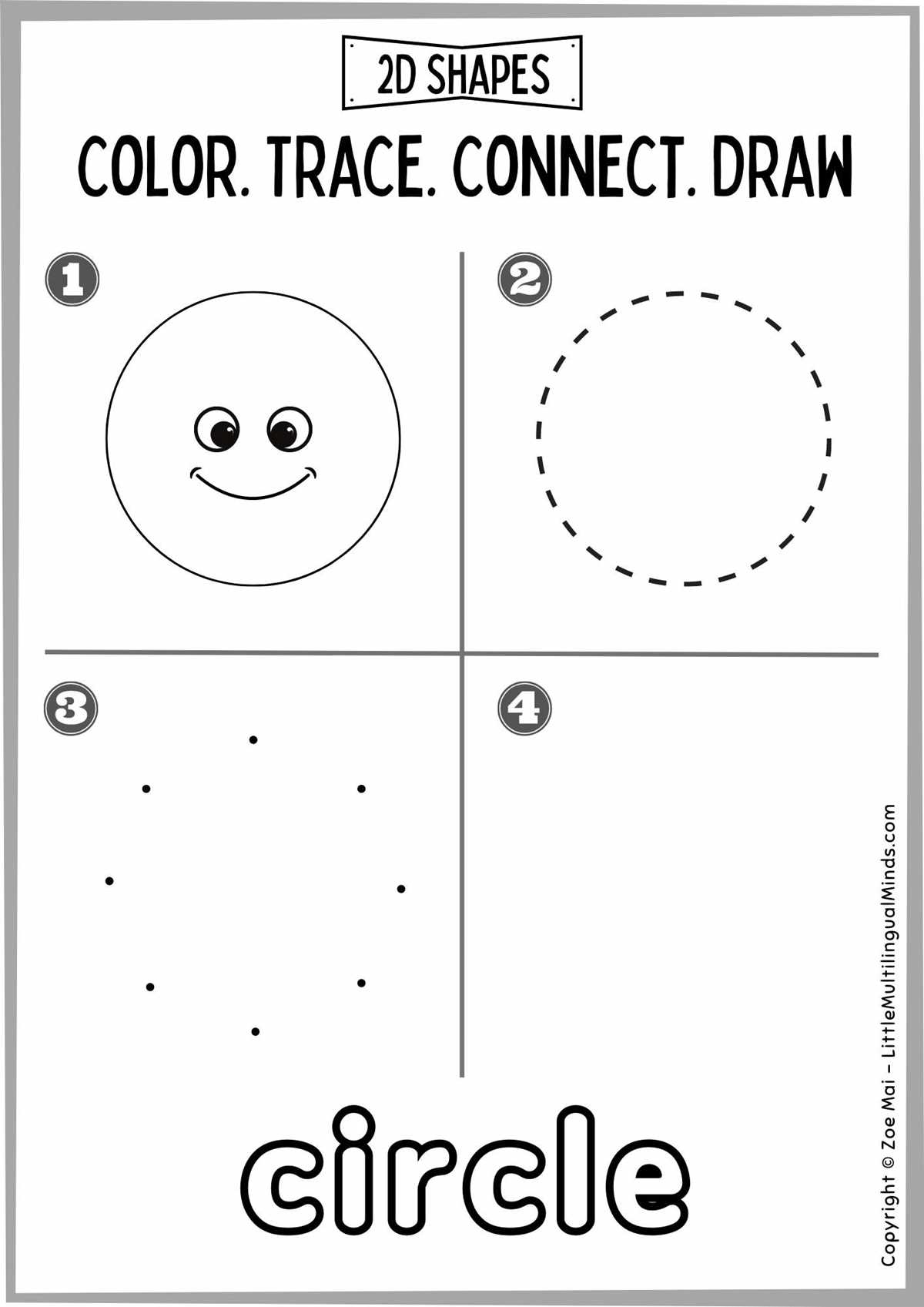
Introduce geometric figures with simple, interactive exercises that help young learners identify and categorize them. Start with basic concepts such as circles, squares, and triangles. These can be reinforced through drawing, tracing, and coloring activities, which not only teach recognition but also improve fine motor skills.
Pair these exercises with everyday examples to make the concepts more relatable. For instance, a square could be linked to a window, and a triangle might resemble a roof. These real-world connections help children understand the relevance of these shapes beyond the classroom.
To keep the learning process engaging, integrate fun challenges where children are tasked with finding specific shapes around their home or classroom. This type of scavenger hunt makes the learning process dynamic and encourages critical thinking as kids search for objects that match their identified shapes.
Once the basics are mastered, consider introducing more complex figures like rectangles and pentagons. Activities like matching shapes to their names, or sorting objects based on their geometry, help deepen their understanding while keeping them entertained.
Encourage children to create their own designs using various geometric shapes. A collage or art project using cut-out pieces of different figures promotes creativity and reinforces the idea that these basic shapes are building blocks for more complex structures.
For children who are ready for a challenge, explore 3D figures such as cubes and spheres. Simple paper models or drawings of these objects can help students visualize the transition from two-dimensional to three-dimensional geometry. Discuss how they differ and where these shapes appear in the real world.
These activities can be repeated and modified as children progress. Once they grasp basic geometric concepts, you can introduce pattern recognition and symmetry by combining shapes in various ways. By offering a variety of activities and approaches, children are more likely to engage with and retain what they’ve learned.
How to Use Printable Shape Worksheets for Preschool Learning
Start by choosing simple activities that encourage children to match or color figures. This method reinforces the visual identification of each figure while allowing them to engage through creativity. Using familiar objects, like a clock for a circle or a book for a rectangle, helps create connections that make the learning process easier.
Incorporate tracing exercises. Have children trace along the outlines of different figures to practice motor control and learn about the boundaries of each shape. This is especially helpful for young learners who are still developing their hand-eye coordination.
Introduce sorting activities where children group objects based on their form. Create categories, such as “round” for circles and “straight sides” for squares, and ask kids to sort real-world items like buttons, blocks, or cut-out pieces. This helps them make sense of categories and relationships between different figures.
For variety, add fill-in-the-blank activities where children can color or draw inside the shapes. Ask them to name the figure first before they begin the task. This can turn the learning session into a fun art activity, while still reinforcing their knowledge of basic geometry.
- Start with a few simple shapes like circles, squares, and triangles for early practice.
- Include some exercises that challenge them to identify or name shapes in their everyday environment.
- Gradually add complexity by introducing other figures such as diamonds or hexagons.
Finally, make use of repetition. Encourage children to revisit these activities regularly to reinforce their understanding. Keep the exercises short and varied, ensuring that they remain interested and motivated while learning about different forms and structures.