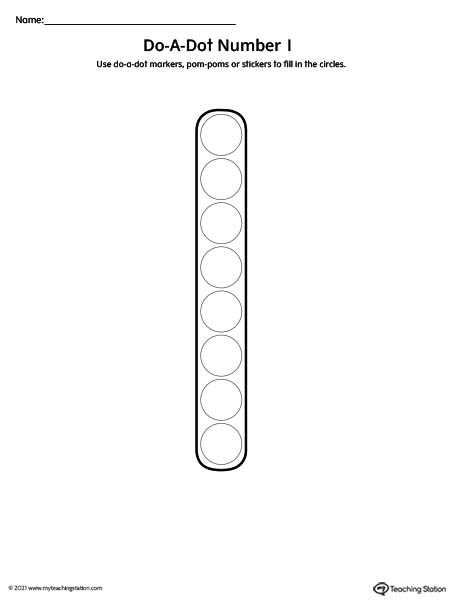
Incorporate worksheets with outlined figures to help young learners develop counting skills. These exercises are a simple yet effective way to practice sequential order and fine motor control. The child traces along the marked points, reinforcing recognition of numbers and improving hand-eye coordination.
Focus on small, manageable steps. Break each activity into individual sequences, where learners can complete one section at a time. This method allows children to grasp the concept of numerical progression without feeling overwhelmed.
Use different patterns and variations to keep children engaged. Incorporate images or themes that align with their interests, like animals or toys. By customizing the practice, you can make these activities enjoyable and more effective in reinforcing math skills.
How Tracing Activities Help Improve Recognition Skills
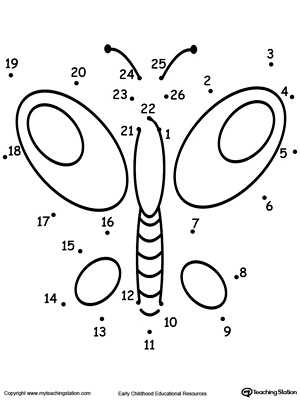
Interactive worksheets with outlined shapes and symbols are a direct way to enhance numerical recognition. By following the defined paths, children can identify digits through repeated visual exposure, gradually building a connection between the symbol and its corresponding quantity.
These exercises promote not just recognition but understanding of sequential order. Each task encourages the child to trace figures in a set pattern, reinforcing the concept of progression. Completing such exercises strengthens the connection between numerals and their positions in a counting sequence.
Visual reinforcement plays a major role in retention. When children complete tracing activities, they see how the shape of each symbol is structured. This association between the visual form and the quantity it represents improves both recall and accuracy when recognizing those symbols in other contexts.
Small, achievable steps help in mastery. Begin with simple outlines, gradually introducing more complexity as confidence grows. This approach supports a smooth progression, preventing frustration and encouraging continued practice with each new level.
- Start with tracing basic shapes and simple symbols.
- Gradually move to more complex figures and sequences.
- Introduce different themes or visual cues to keep interest high.
Incorporating varied colors or themed illustrations can also boost engagement. Children often associate fun visuals with positive learning experiences, which makes them more likely to engage and repeat the activities. Personalized or creative touches also help maintain motivation over time.
Finally, integrating counting into these exercises adds another layer of learning. As children trace, encourage them to count out loud or follow along with the written sequence. This multi-sensory approach deepens understanding, making the learning experience both more engaging and memorable.
Step-by-Step Guide to Using Tracing Activities in Learning
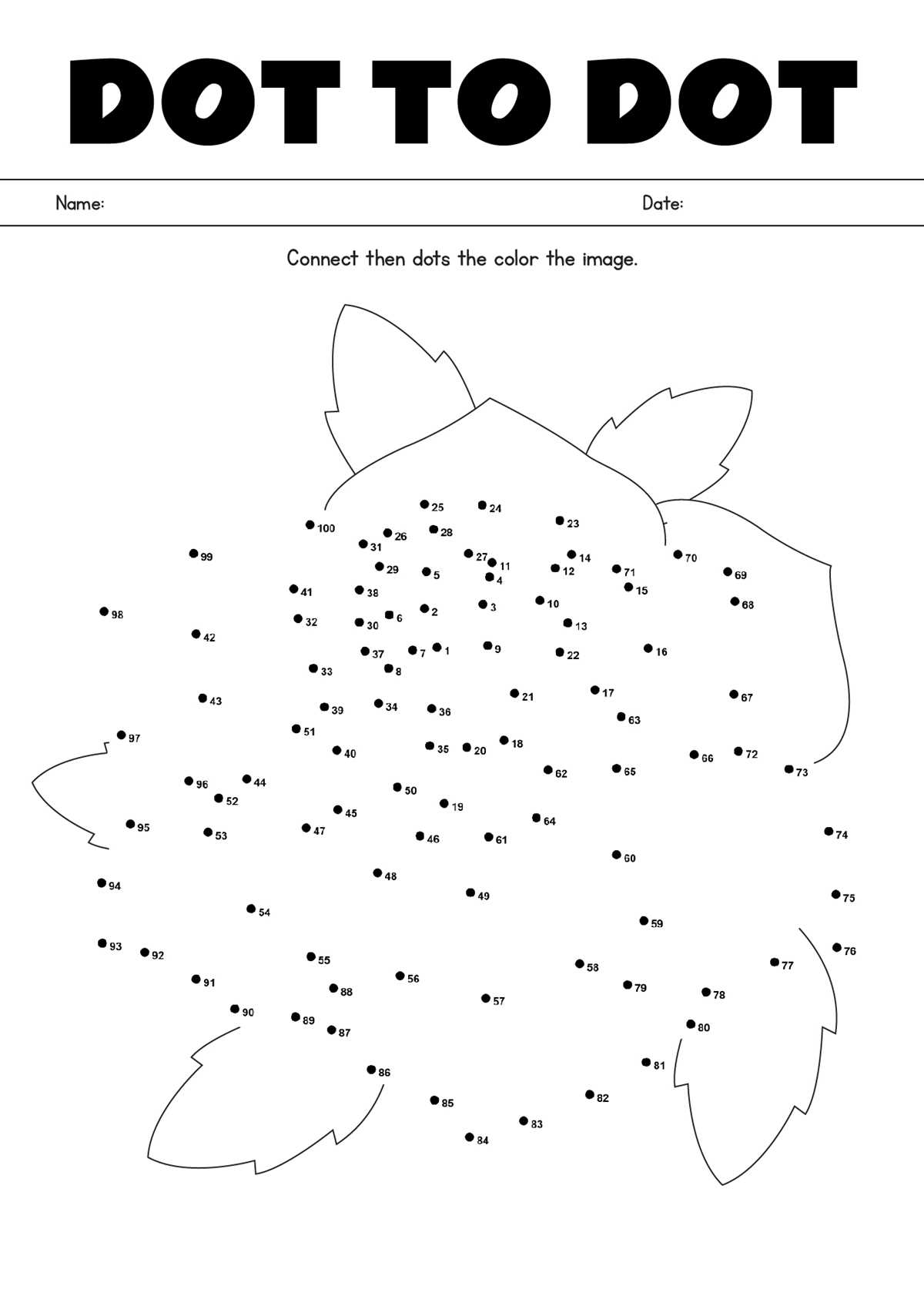
Start by selecting a worksheet with simple, easy-to-follow outlines. Begin with basic shapes or symbols and guide the child to trace along the paths. Encourage them to stay within the lines and count out loud as they go to build both motor skills and numerical awareness.
As the child progresses, introduce more complex designs. Use sequential patterns that involve tracing multiple figures in a set order. This helps reinforce both visual recognition and the understanding of sequences, making the learning experience both structured and engaging.
Finally, integrate repetition and variation into the activity. Offer new worksheets regularly, with slight changes in the design or theme. This keeps the child’s attention while reinforcing the learning material in a dynamic and enjoyable way.
Creative Ways to Incorporate Tracing Activities into Daily Practice
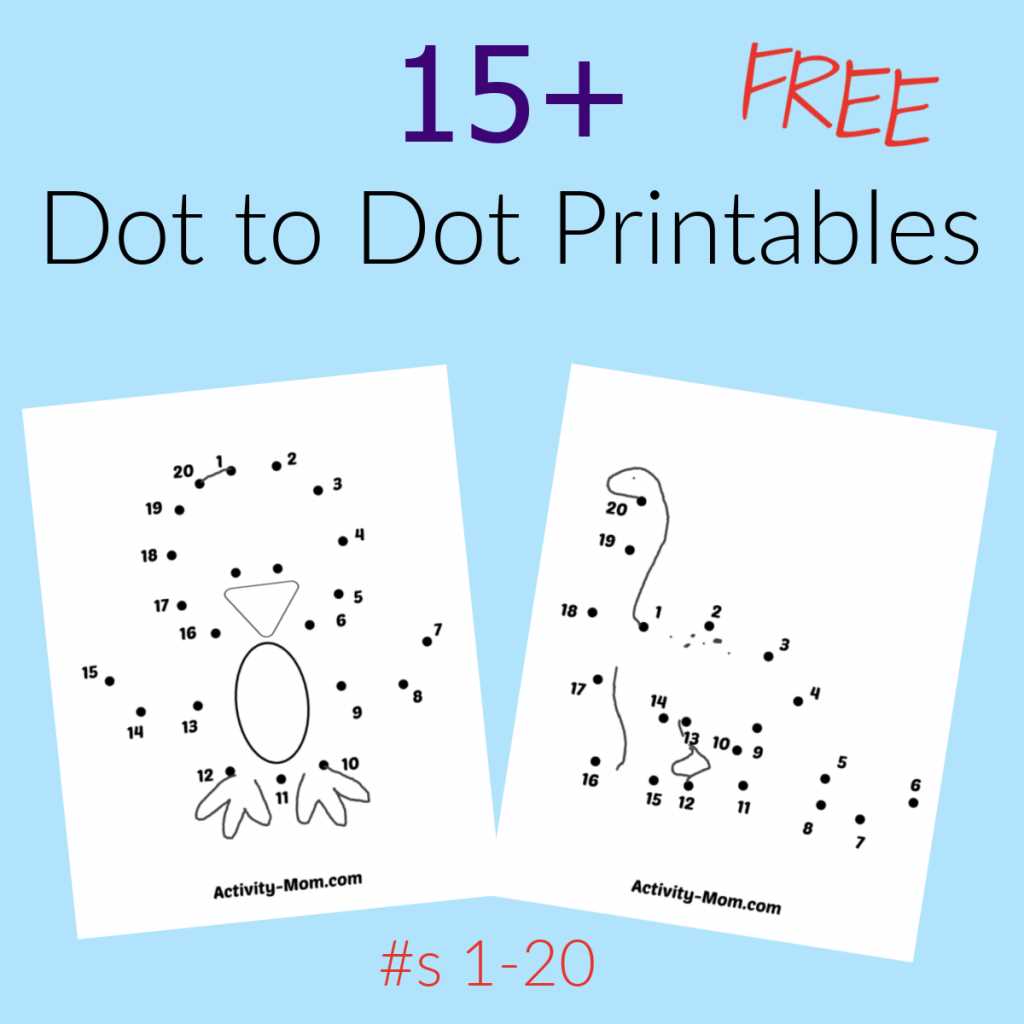
Integrate these exercises into morning routines by setting aside 10 minutes for tracing before other activities begin. Use themed sheets such as animals, cars, or nature scenes to keep the child engaged. This time can be used to reinforce counting while also allowing for a calm start to the day.
Transform ordinary tasks into learning moments. For instance, during mealtime, ask the child to trace patterns or figures on napkins using safe, washable markers. This blends daily life with fun practice, reinforcing the skills while making the experience part of everyday activities.
| Time of Day | Activity | Learning Focus |
|---|---|---|
| Morning | Tracing themed figures for 10 minutes | Counting and sequence recognition |
| Meal Time | Tracing patterns on napkins | Fine motor skills and visual recognition |
| Before Bed | Tracing while listening to a story | Creativity and pattern recognition |
Incorporate tracing into bedtime routines by encouraging the child to trace simple patterns while listening to a story. This creates a relaxing environment while still promoting cognitive development in an enjoyable way.