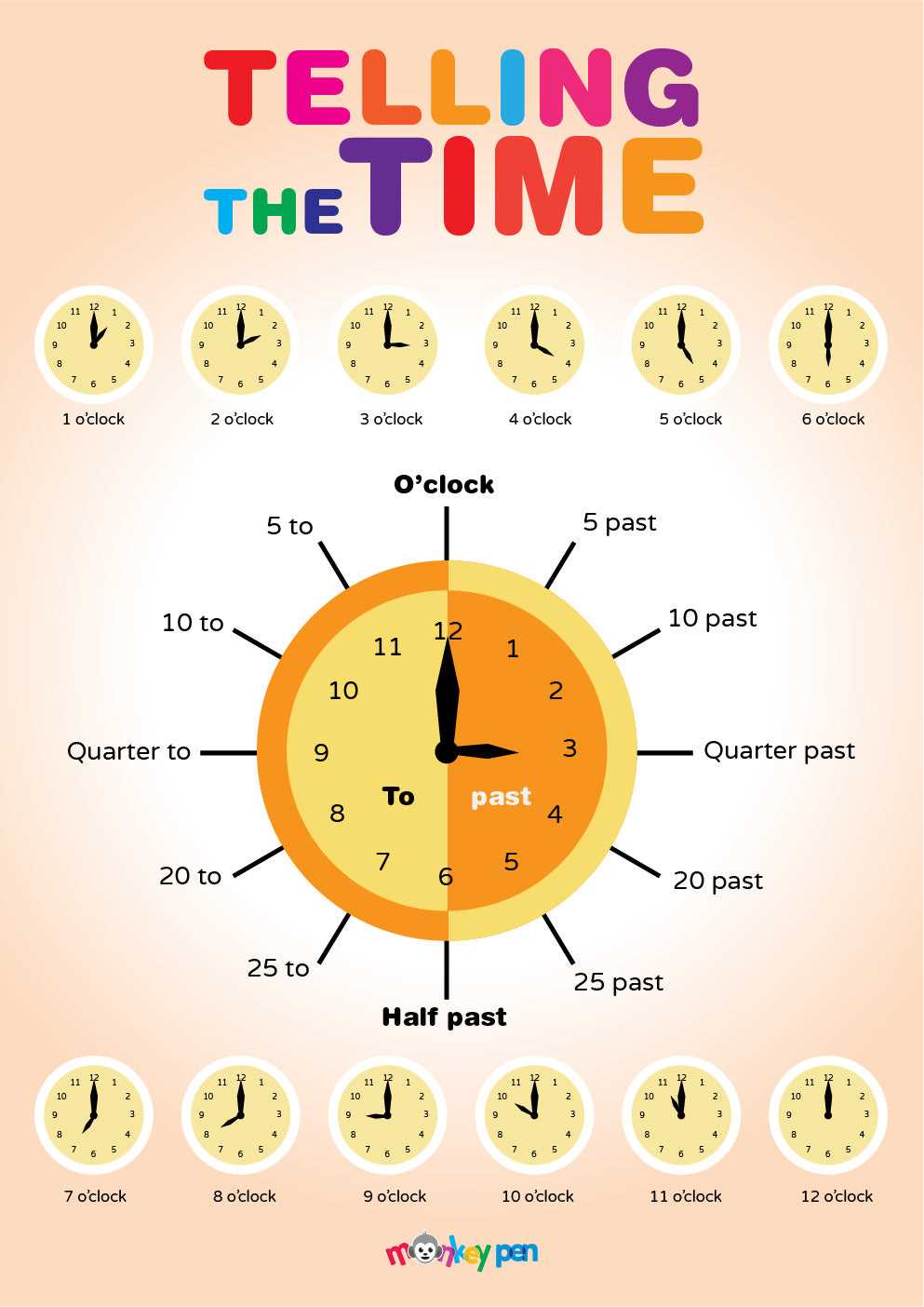
Using visual aids to understand how hours and minutes work is one of the most effective ways to grasp the concept of time. Printable worksheets featuring analog faces with movable hands allow children to practice and visualize reading hours and minutes hands-on. These resources help children develop a strong foundation in telling time by offering interactive opportunities to engage with time concepts.
To maximize learning, start with simple exercises such as asking kids to match times with corresponding activities or drawing the hands of the clock at specified times. You can easily find a variety of clock templates, from simple ones with numbers only to more detailed designs, to suit different age groups and learning levels. These resources are not only effective in helping children recognize the time but also promote independent learning and confidence in their ability to read analog clocks.
For those looking to integrate time-telling lessons into daily activities, several websites offer downloadable templates with clear instructions. Choosing templates that allow hands to be moved and adjusted offers an extra layer of interactivity, ensuring that learners are actively involved in the process. Pairing these tools with fun exercises can make time lessons enjoyable and easy to understand for young students.
Interactive Time-Telling Tools for Kids
One of the most effective ways to teach young learners about hours and minutes is through hands-on exercises with visual aids. A simple clock face with movable hands can significantly enhance their ability to read time. By allowing children to manipulate the hands of a clock, they gain a better understanding of how time works. Printable templates that let them set the clock to different times help solidify their skills by offering repetitive practice in a fun and engaging way.
For even more practical use, consider providing children with different clock designs to match various levels of difficulty. Start with basic designs featuring only the hour hand and progress to more detailed ones that include both hands, numbers, and even markings for minutes. Offering variety helps keep the lessons interesting and ensures that the learning process remains effective. This hands-on approach not only aids in mastering time but also encourages critical thinking and problem-solving as they relate to real-life scenarios.
How to Use Printable Clocks for Teaching Time
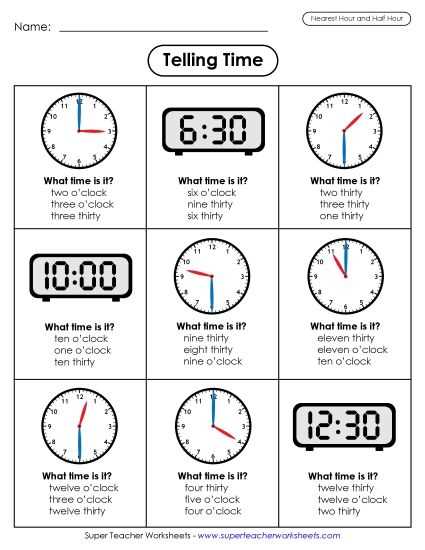
Start by distributing simple clock templates with large, easy-to-read numbers. Focus on teaching the hour first by having students match the hour hand with the correct number. This is a foundational skill, so practice should involve identifying full hours like 1:00, 2:00, and so on. Use visual aids like color coding the numbers or hands to make the process more engaging.
Once students are comfortable with hours, introduce the minute hand. Have them practice moving the minute hand to different positions, emphasizing the intervals between each number. Use exercises that require students to fill in the correct time or draw the hands for given times. Reinforce these lessons by integrating real-life activities, such as setting an alarm or scheduling daily tasks on a drawn clock.
Another effective method is to use interactive activities where students manipulate the hands on a clock template themselves. This hands-on approach makes the concept of telling time more tangible and helps reinforce learning. Give students a variety of clock templates with different styles–some with only hours marked, others with both hours and minutes, to gradually increase difficulty levels.
To build further understanding, combine clock reading with learning about the passage of time. Create exercises where students must calculate elapsed time between events. For instance, ask, “If we start a task at 2:00, what time will it be after 45 minutes?” This helps link the abstract concept of time to practical, real-world scenarios.
Lastly, integrate games and challenges to keep the lessons fun and motivating. For example, conduct timed activities where students race to draw or identify certain times on their clocks. By turning learning into an interactive and dynamic experience, students stay engaged while reinforcing their understanding of time concepts.