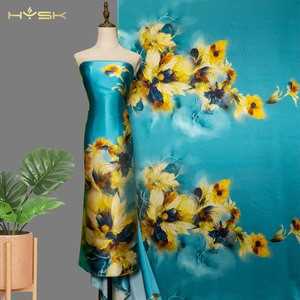
If you want to print detailed designs on a smooth, glossy surface, choose a high-quality textile with the right properties for printing. Look for options that have a natural sheen and absorb ink evenly for crisp, clear images. This material is ideal for a range of creative projects, from personalized accessories to fashion items.
To ensure the best results, prepare the textile properly by washing and ironing it before printing. Any wrinkles or dirt can affect the quality of the print, so starting with a clean, smooth surface is crucial. For intricate designs, opt for a light-colored base to make colors stand out more vividly.
When selecting a printing method, consider the durability and finish you want. Methods such as sublimation or direct-to-fabric printing work best for vibrant and long-lasting results. These techniques allow for a more detailed image reproduction, even on delicate materials.
Finally, ensure that you have the right equipment or access to a printing service capable of handling the specific material you’re working with. Some printers are designed to handle thicker or more delicate materials, so make sure your device is up to the task for the highest quality output.
How to Work with Luxury Textiles for Printing
When choosing a material for printing detailed designs, select one with a smooth, lustrous finish. A material that absorbs ink evenly will result in a sharp, crisp image. Opt for high-quality blends for the best outcomes in printing intricate patterns or vibrant designs.
Before printing, prepare your textile properly by washing and ironing it. This step removes any impurities and smooths out wrinkles, which could distort the printed design. Pre-treating the surface ensures that the ink adheres correctly and doesn’t bleed or fade prematurely.
Choose a printing method based on the desired outcome. For designs requiring fine details and vivid colors, digital printing or sublimation techniques are highly recommended. These methods allow for a broad color range and produce a high level of detail, making them ideal for intricate artwork or personal projects.
Consider the durability of your prints. Some techniques are more permanent than others. Sublimation, for example, bonds the design with the fabric on a molecular level, making it resistant to fading, washing, and wear. If longevity is a concern, this method may be the best choice for your custom creations.
If you lack the right equipment, you can opt for professional printing services. These services offer access to specialized printers that can handle more delicate or thicker materials. Many print shops also offer consulting on the best printing options based on the specific material and your design.
- Choose high-quality materials for clear, vibrant results.
- Ensure your textile is prepped properly for printing.
- Select a durable printing method like sublimation for long-lasting designs.
- Seek professional help for custom printing if you lack the necessary equipment.
How to Prepare Silk Fabric for Printing Custom Designs
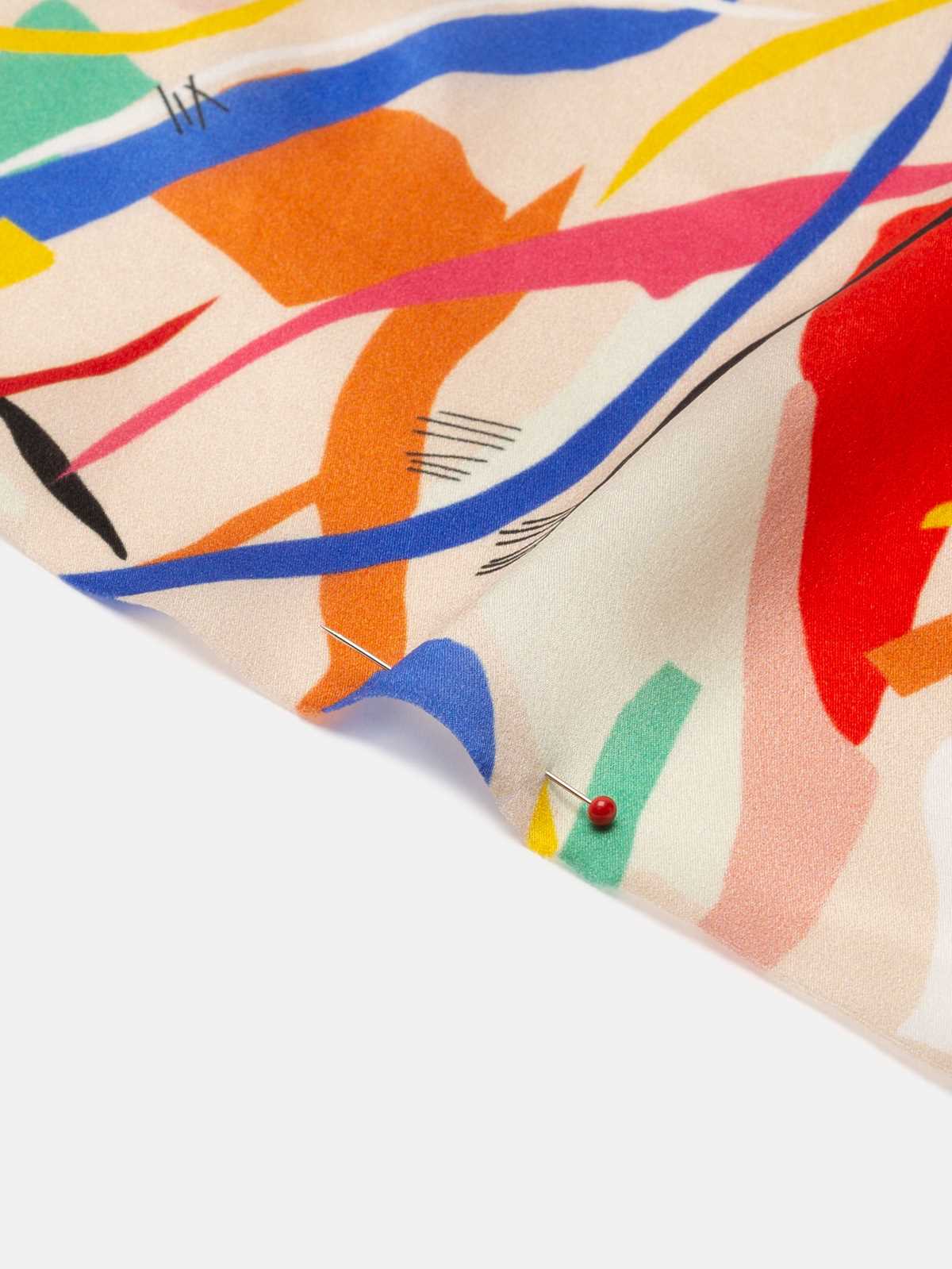
Start by washing the textile to remove any impurities such as oils, dust, or sizing that may interfere with ink absorption. Use a gentle detergent and cold water to avoid damaging the fibers. Let the material air dry or use a low-heat setting to prevent shrinkage.
After drying, iron the surface to eliminate wrinkles. This will help create a smooth, flat area for printing, ensuring that the design remains crisp and aligned. Set the iron on a low heat setting to avoid damaging the texture of the material.
Once the fabric is clean and smooth, perform a test print on a small section of the material to check for ink adherence. This step will ensure that the ink does not bleed or fade and that the colors are vibrant. If any issues arise, consider adjusting your print settings or testing with a different type of ink.
If the fabric is prone to stretching or shifting, consider using a temporary adhesive spray to hold it in place while printing. This will ensure that the textile remains stable and aligned during the printing process, preventing any distortions in the design.