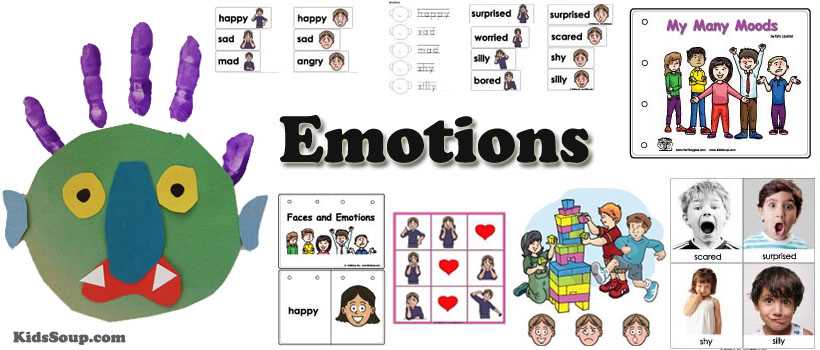
Start by designing simple face templates that can be easily colored or cut out. Use basic shapes to represent different facial expressions, focusing on common feelings like happiness, sadness, and anger. These easy-to-make visuals allow young children to connect with their emotions in a fun and engaging way.
Another idea is to incorporate materials like paper, markers, or fabric to create textured, interactive faces. By including tactile elements, children can physically engage with the different emotional states they are learning about. This approach helps solidify the concept of emotions in a more hands-on and memorable manner.
These activities can also be a great way to introduce discussions about feelings. Once the faces are created, ask children to identify the emotions they’ve represented and to describe when they might feel this way. This reinforces both emotional recognition and verbal expression, helping young learners understand the complexities of their feelings.
Creative Activities to Teach Young Children About Feelings
One simple activity is to create large facial expressions using basic shapes. Draw circles for heads and use smaller shapes to form eyes, mouths, and eyebrows to depict different moods. For example, a curved mouth for happiness, angled eyebrows for anger, and teardrop eyes for sadness. Let the kids color and decorate these faces, helping them to visually connect with each feeling.
For a more interactive approach, use colored paper and glue to make 3D facial features. Cut out circles for faces and have children add expressions with cut-out shapes for eyes and mouths. This tactile activity encourages children to explore how different parts of a face change when expressing various feelings, giving them a clearer understanding of emotional expression.
Additionally, create a “Feelings Wheel” by drawing a large circle divided into sections. Label each section with different feelings such as happy, sad, mad, and surprised. Cut the wheel into individual pieces that children can move around, letting them match different faces to their corresponding feelings. This not only makes the lesson interactive but also helps kids recognize and sort emotions in a fun and playful way.
Incorporating words to describe feelings into the activity is also helpful. After creating the faces, encourage children to verbally express when they’ve felt similar emotions. This builds their emotional vocabulary and gives them the chance to talk about their own experiences. For example, after creating a sad face, ask them to think about a time they were sad and discuss it.
For a more detailed activity, include a “Feelings Journal” where each day a child can draw or color a face representing how they feel. This can help children reflect on their emotions and track changes over time. It also provides a great opportunity for parents or caregivers to engage in meaningful conversations about emotional growth and self-awareness.
Finally, introduce a social element by using group activities. Have kids work together to create a large collage of faces that show various moods. They can cut, color, and assemble the faces as a group, discussing each feeling as they go. This encourages teamwork while allowing each child to express their personal understanding of different emotional states.
How to Create Simple Emotion Faces for Preschool Activities
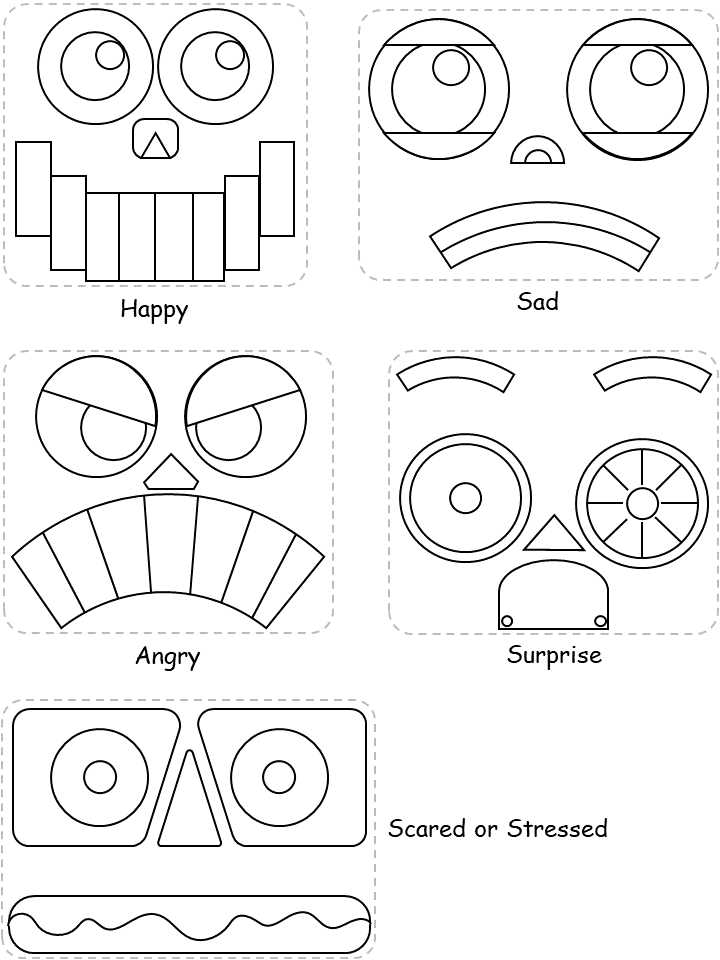
Start by drawing a large circle to represent the face. For each expression, adjust the facial features. For a happy face, draw a wide, curved line for the mouth and round eyes. For sadness, use a downturned mouth and smaller eyes. These basic shapes allow children to easily understand the changes in facial expressions that represent different feelings.
Next, let the kids create their own faces using different colored markers, crayons, or stickers for eyes, mouths, and eyebrows. For instance, red for anger, blue for sadness, and yellow for happiness. Allowing them to choose colors that correspond to the feeling helps them engage with the activity and relate the colors to their own experiences.
Introduce a fun element by turning the faces into movable parts. Cut out the facial features separately (eyes, mouths, eyebrows) and have children attach them to the face using glue or Velcro. They can change the expressions by switching these features, which helps them practice identifying and expressing different feelings in an interactive way.
Finally, encourage discussion as children complete the faces. Ask them questions like, “When have you felt happy like this face?” or “Can you think of a time you were upset?” This conversational step reinforces the activity’s connection to real-life emotions and encourages young children to explore their feelings through art.