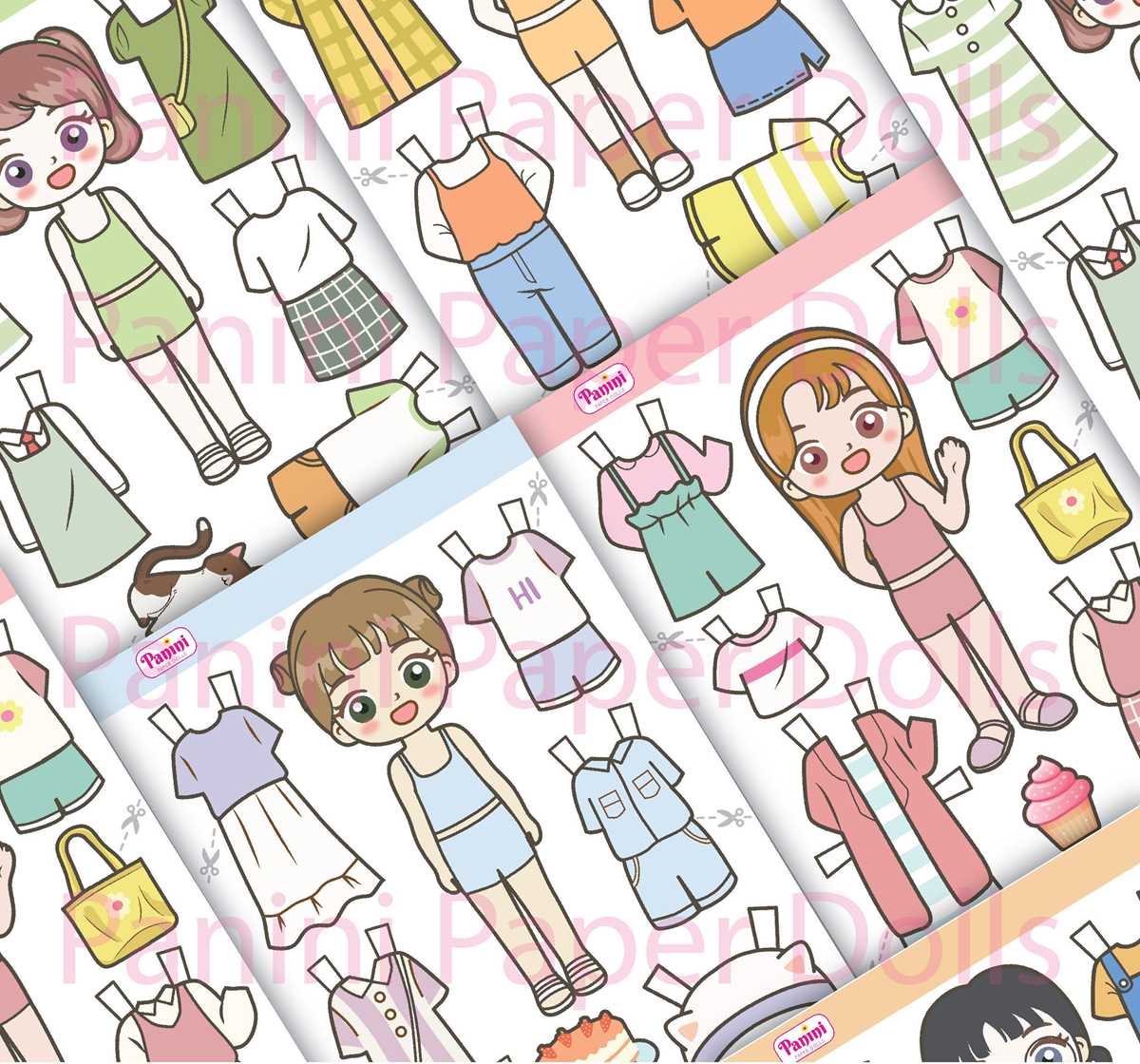
Start by selecting a template with simple outlines that you can cut and assemble at home. Choose a design that features characters with exaggerated features and small, adorable details. These characters are easy to personalize, and you can adjust their outfits and accessories to suit your preferences.
Gather supplies such as sturdy cardstock, scissors, glue, and colored pencils or markers. Print the designs on thicker paper to make the figures more durable. Once printed, carefully cut out each part and start assembling the character. The more intricate the details, the more rewarding the final result will be.
If you want to add an extra layer of creativity, consider incorporating accessories or backgrounds. For example, create little props like hats, toys, or animals that can accompany the character. These additions make the crafting experience more dynamic and fun.
How to Create Your Own Fun Character for Crafting
Begin by finding or designing a character template with basic shapes that are easy to cut out. Focus on creating large eyes, small proportions, and simple features for a more whimsical look. Start with a basic sketch and refine it, adding personality through facial expressions and accessories.
Once you have your design, scan or digitize it. Use design software or a simple word processor to ensure the character is in a printable format. Adjust the size to your preference–usually, smaller characters are easier to handle and decorate, especially for younger crafters.
Print the design on a thicker material, like cardstock, to make the figure more durable. If you want to create multiple versions, print several copies and vary the colors and accessories for each. This allows for a more versatile crafting experience, giving you different outfits and looks for your character.
Use colored pencils, markers, or even digital coloring tools to bring your character to life. Layer the colors for depth and detail, paying special attention to areas like the hair, eyes, and accessories. You can even experiment with textures by adding patterns to the clothing or background.
| Step | Action | Tips |
|---|---|---|
| 1 | Design or find a character template | Keep it simple with bold outlines for easy cutting |
| 2 | Digitize and adjust the size | Ensure the design is proportional for easy handling |
| 3 | Print on sturdy material | Cardstock works best for durability |
| 4 | Color and add accessories | Use patterns and textures to enhance details |
After coloring and cutting out your figure, assemble the pieces. You can use small brads or tabs to allow for movement, giving your creation a more interactive and dynamic feel. This step turns a simple figure into something you can play with and display.
Best Materials and Tools for Assembling a Character Craft
Start by using high-quality cardstock for printing your character template. It’s sturdy enough to handle cutting and coloring while maintaining its shape. Choose a smooth texture to make coloring easier and prevent the paper from warping when you use markers or glue.
Scissors with a fine tip are crucial for cutting out intricate shapes. Choose small, precision scissors to ensure accuracy when working on delicate areas like hands, feet, and accessories. They will allow for cleaner edges and make the overall assembly look neat and tidy.
For coloring, use markers or colored pencils with vibrant pigments. Markers provide strong, bold colors that pop, while colored pencils allow for softer shading and blending. For the best results, choose a set with a variety of shades for a fuller range of tones in your design.
To enhance your creation further, consider using glitter pens or metallic markers for small details, such as accessories or patterns. These add a sparkly finish and can make your figure stand out even more. Be careful not to overdo it–focus on small accents to avoid overwhelming the design.
When assembling the character, a strong adhesive like tacky glue or a glue stick will hold the pieces together securely. Tacky glue is ideal for heavier paper, while glue sticks work well for light paper or smaller parts. Use a thin layer to avoid excess glue seeping through the paper.
| Material | Use | Recommended Brand |
|---|---|---|
| Cardstock | Printing templates | Neenah or Staples |
| Scissors | Cutting intricate shapes | Fiskars or Westcott |
| Markers | Coloring designs | Sharpie or Crayola |
| Glue | Assembly of pieces | Elmers or UHU |
Finally, for adding movable parts, use small brads or paper fasteners. These allow you to attach limbs or accessories that can be rotated or adjusted, making your creation more interactive. Simply punch a hole where the joints meet and secure with a brad for a flexible movement option.