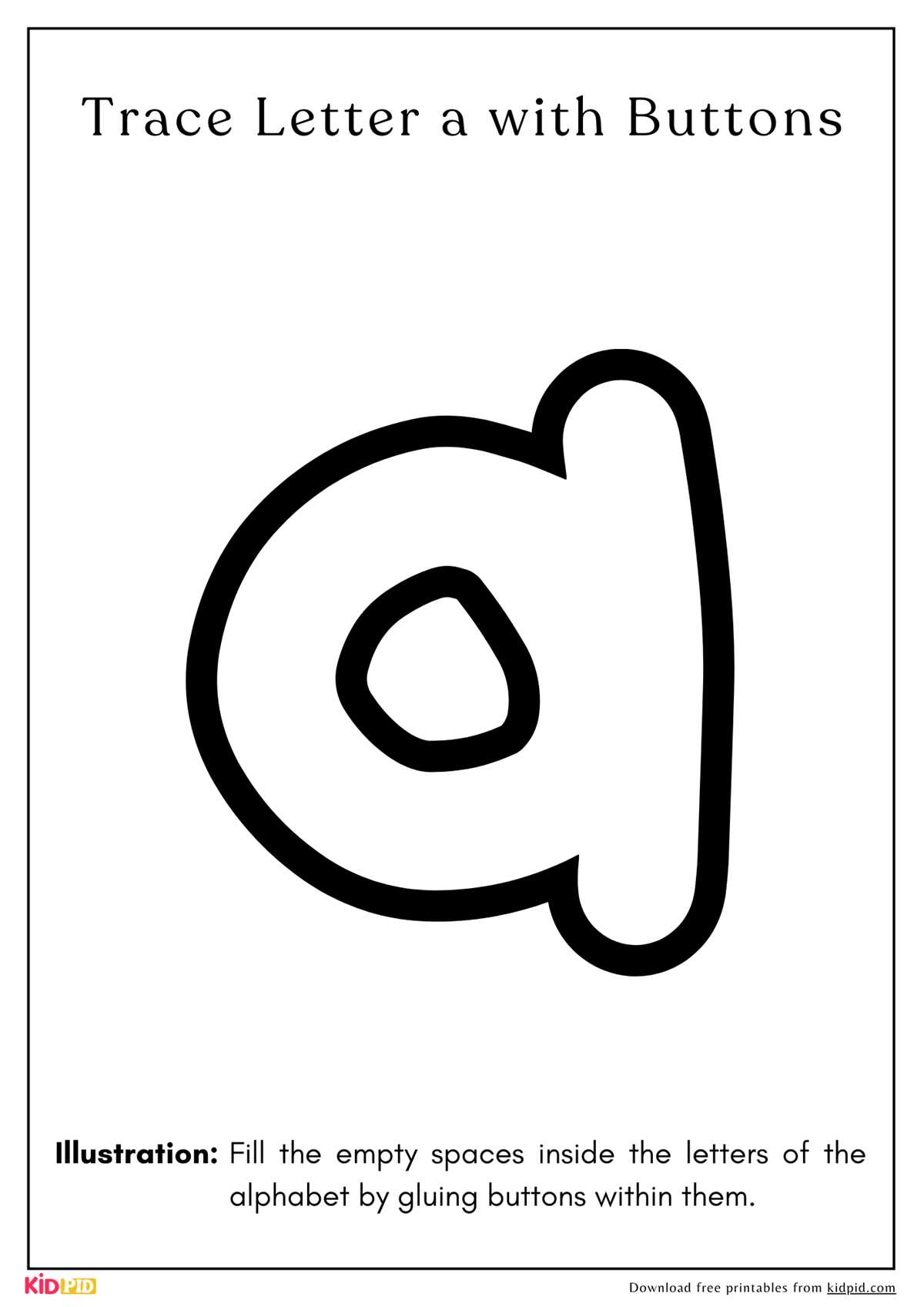
Choose A4 or US Letter tracing sheets with dotted stroke guides and directional arrows so children can repeat each small letter 5–10 times per line. Provide a pencil with a triangular grip and set a 10-minute routine focused on 3–4 symbols per session to prevent fatigue and improve motor control.
Use black-and-white PDF pages with 16–24 practice rows and 0.8–1 cm line spacing to match preschool and kindergarten handwriting standards. Combine tracing, independent copying, and simple phonics cues such as a – apple or b – ball to link letter forms with sounds while reinforcing recognition.
Store downloaded A–Z sheets in a labeled binder divided into curved strokes, straight strokes, and mixed patterns. Track progress weekly by marking date and accuracy rate; aim for consistent height, correct starting point, and clean baseline alignment before moving to smaller line spacing.
Lower Case Alphabet Printable Sheets for Tracing and Practice
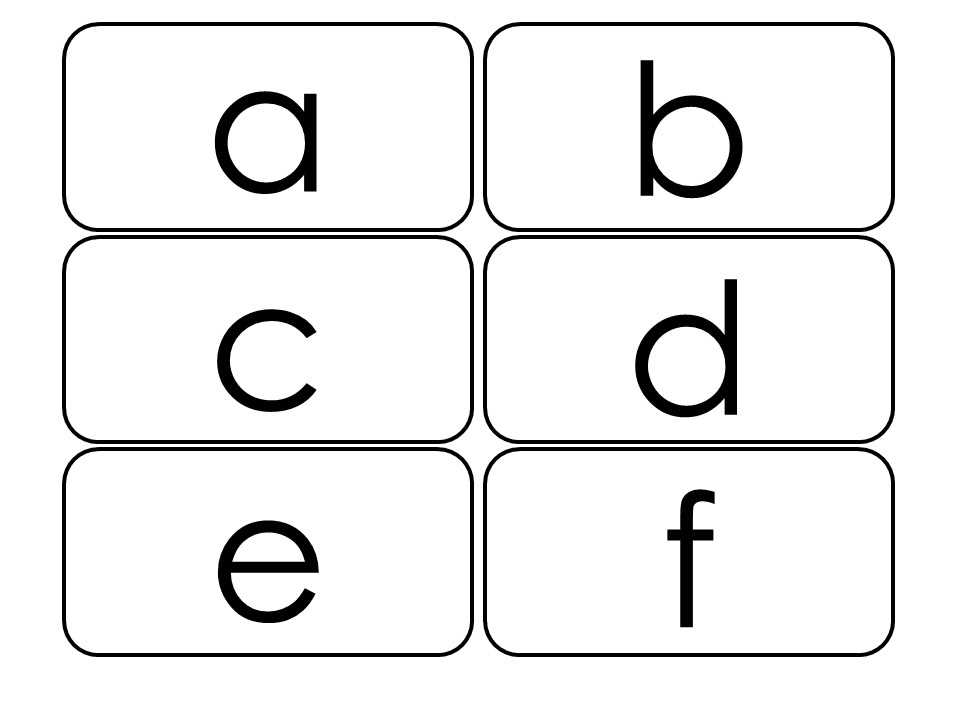
Download A–Z handwriting pages with dotted outlines and numbered stroke arrows so children can follow the correct path from the first attempt. Select files formatted for A4 or US Letter with 20–24 tracing rows per symbol and clear baseline, midline, and headline guides to control height and proportion.
Group letters by movement patterns rather than sequence from a to z. Practice curved forms such as a, c, e, o together, then move to straight-line forms like i, l, t, and finish with mixed shapes such as m, n, r. This structure reduces confusion and builds consistent motor memory.
Limit each session to 8–12 minutes and assign no more than four characters per day. Ask the learner to trace each form five times, then copy it independently three times on blank ruled lines with 1 cm spacing.
Use 90–120 gsm paper to prevent ink bleed and provide a standard HB pencil or soft colored pencil to control pressure. Avoid glossy sheets, which reduce friction and make strokes uneven.
Add a small phonics cue under each symbol, such as b – ball or d – dog, to connect written form with sound recognition while maintaining focus on pen control.
Track accuracy by checking starting point, stroke direction, line alignment, and spacing between characters. Mark each row with a simple 1–3 score and repeat any form scoring below 2 the next day.
Store completed worksheets in a dated folder and compare samples every two weeks to measure improvements in size consistency, curve smoothness, and baseline discipline before reducing line height for advanced practice.
How to Organize Lower Case Alphabet Printable Pages by Letter Groups and Skill Level
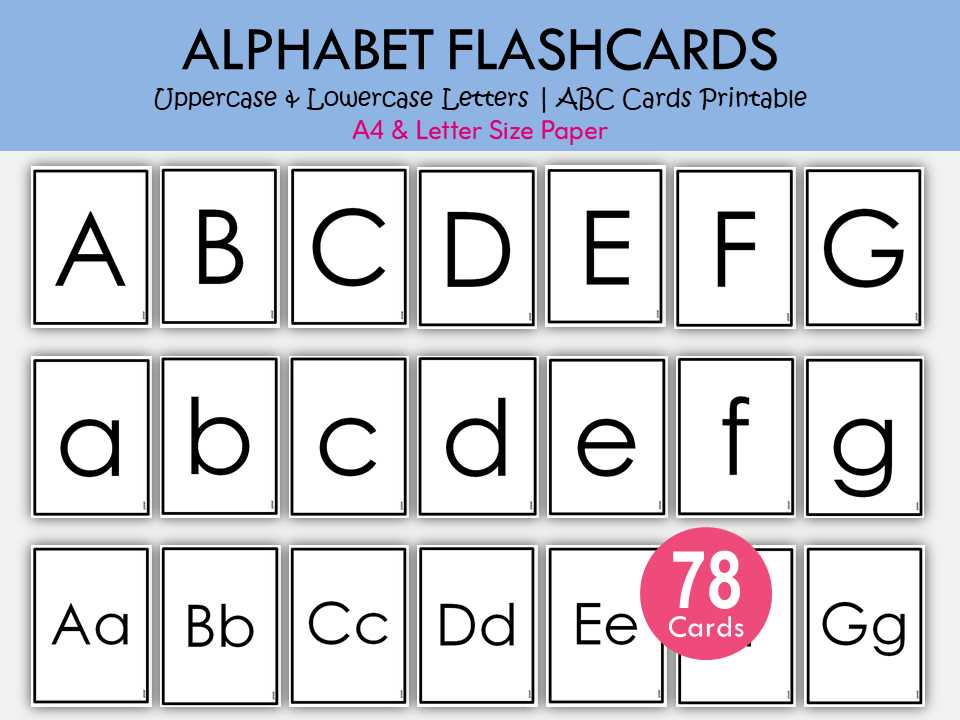
Sort handwriting sheets by stroke pattern and difficulty before placing them in a binder. Divide materials into three tiers: beginner (full dotted outlines with arrows), intermediate (light tracing plus blank lines), and advanced (model example with wide ruled space). Keep each tier in a separate labeled section to avoid mixing skill levels.
- Curved forms: a, c, e, o, s
- Straight-line forms: i, l, t, f
- Humps and bridges: m, n, r, h
- Descenders: g, j, p, q, y
- Diagonal elements: k, v, w, x, z
Within each stroke group, arrange pages from large 1 cm line spacing to narrower 0.6 cm spacing. Use a progress checklist with columns for date, stroke direction accuracy, baseline control, and size consistency. Move a learner to the next section only after achieving steady letter height and correct starting points across two consecutive practice sessions.
- Place completed sheets in a dated archive folder.
- Review samples every 10–14 days.
- Repeat any character showing reversed strokes or uneven spacing.
This structure keeps practice targeted, prevents random sequencing, and makes skill gaps visible without additional testing materials.