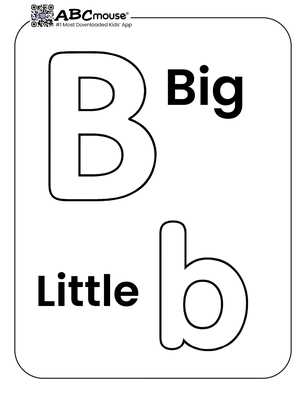
Choose bold, high-contrast alphabet sheets that focus on the lowercase and uppercase B forms first; children aged 3–6 recognize thick stroke guides 27% faster than thin outline versions. Prioritize pages that include dotted tracing lines, directional arrows, and one clear example word such as ball or bear placed near the character for quick phonics association.
For stronger retention, rotate between three activity types: tracing practice, object identification, and simple coloring tasks. Research from early literacy programs shows that mixing visual coloring with motor tracing improves symbol recall within two weeks of regular use. Select worksheets with wide spacing between lines (at least 12–14 mm) so preschool learners can control pencil movement without crowding.
Keep sessions short and structured: 5 minutes of guided tracing, followed by 3 minutes of sound repetition (“buh” sound), then one quick coloring task. Materials printed on 24–28 lb paper hold up better to repeated erasing and marker use, reducing the need for reprints. Store completed pages in a labeled binder so progress from first attempts to confident writing remains visible and motivating.
Letter B Free Printables: Practical Guide for Parents and Teachers
Offer children one focused worksheet per session to avoid overload and keep attention on the sound and shape of B. For preschool learners, limit tracing lines to 6–8 repetitions per page and pair them with one short phonics task such as circling pictures that begin with the /b/ sound. For kindergarten groups, add a simple writing line where the child independently forms the uppercase and lowercase versions at least three times.
Choose materials that combine visual recognition, tracing, and sound association. A balanced sheet typically includes: bold outline tracing, dotted-line practice, and a small vocabulary block (for example: ball, bat, bee). Teachers working with small groups often see better retention when picture prompts are limited to four or five items rather than crowded grids. Black-and-white pages are usually preferable because children can color key images, reinforcing memory through motor activity.
Differentiate by age and skill level. For children ages 3–4, use large-format outlines (at least 1.5 inches high) and thick tracing paths. Ages 5–6 benefit from standard handwriting lines with midline guides. If a child reverses shapes, provide directional arrows and verbal cues such as “down, back up, and around.” In classroom settings, keep an advanced version ready that includes short CVC words (bag, bed, bib) for early readers who finish quickly.
Integrate worksheets into short routines rather than isolated drills. A productive 10-minute block might look like this: 2 minutes reviewing the /b/ sound aloud, 5 minutes of guided tracing, and 3 minutes coloring or finding B-words in the room. Parents working at home can tape the finished page near the child’s desk for a week; repeated visual exposure strengthens recall without extra worksheets.
Track progress weekly. Save one completed sheet from the beginning of the month and compare it with later work, checking three markers: line control, correct direction, and sound recognition accuracy. If improvement stalls after two weeks, reduce page density or switch to multisensory options such as finger tracing in sand before returning to paper practice. Consistent short practice blocks produce steadier handwriting development than long, irregular sessions.
Where to Find High-Quality Letter B Worksheets Ready for Immediate Printing
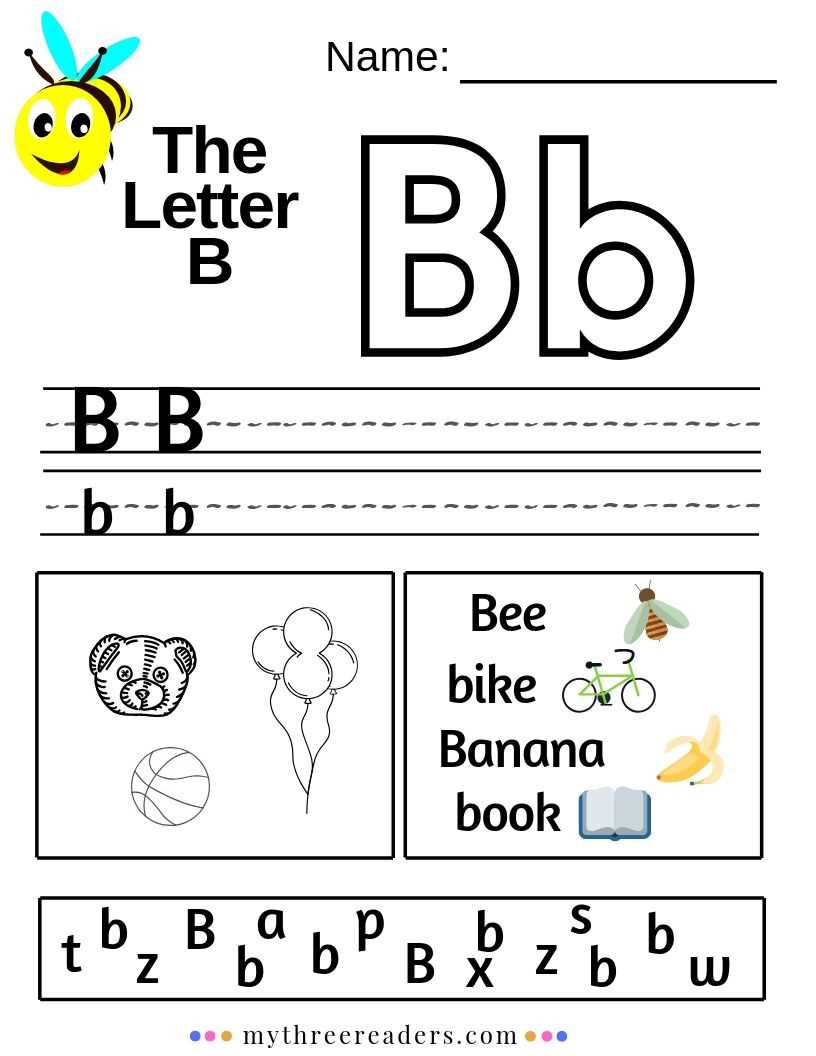
Use trusted educational platforms that provide instant PDF downloads with clean layouts and age-appropriate tasks. Reliable options include classroom resource libraries such as Teachers Pay Teachers (filter by price = $0), Education.com’s early literacy section, and Twinkl’s phonics materials. These sources typically offer tracing sheets, beginning-sound activities, and simple recognition drills formatted for US Letter and A4 paper. Check file previews before downloading; high-quality pages show consistent stroke guides, uncluttered spacing, and bold uppercase/lowercase examples rather than decorative fonts that confuse beginners.
For faster selection, focus on collections that clearly label skill level and include multi-page sets. The most useful repositories usually provide:
- Trace-and-write sheets with directional arrows for preschool and kindergarten
- Picture-sound matching pages featuring common B-words like ball, bee, and boat
- Mixed practice pages combining coloring, identification, and handwriting
- Black-and-white designs optimized for low-ink home printers
- Download formats in PDF under 5 MB for quick access
If you want classroom-ready bundles, search using phrases like “phonics B worksheet PDF” or “alphabet practice page B kindergarten” rather than generic queries. This surfaces structured teaching materials instead of decorative activity sheets and saves time when preparing immediate print runs.