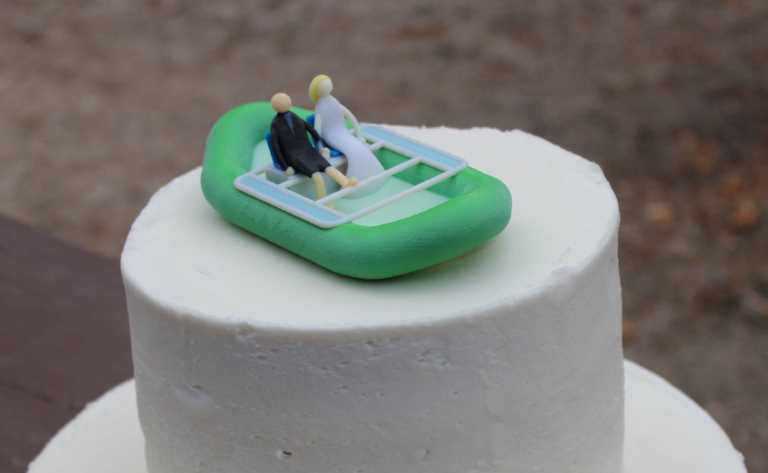
For building custom equipment used in water sports, 3D printing can provide durable and tailored components. By utilizing strong materials such as ABS or PETG, you can produce pieces that withstand exposure to water, UV rays, and wear. Consider designing custom fittings, handles, or repair tools that meet your specific needs. This approach not only cuts down on costs but also allows for rapid prototyping to ensure optimal performance during your next trip.
Start by choosing the right 3D modeling software to create accurate designs. Programs like Fusion 360 and TinkerCAD offer user-friendly interfaces and tools to model complex structures with precision. Once your model is ready, select the appropriate material based on strength and flexibility. ABS is popular for its resistance to impact, while PETG offers better UV resistance and ease of use.
Once printed, thoroughly test your pieces before relying on them during expeditions. Perform stress tests to ensure they can withstand the forces encountered in fast-moving water. Whether you’re printing replacement clips, paddles, or buoyancy aids, 3D printing provides a customizable solution that traditional methods can’t match.
3D Printed Components for Water Sports Equipment
When designing custom gear for aquatic adventures, focus on functionality and durability. The ability to quickly prototype and modify components is one of the primary benefits of 3D technology. Start by identifying the specific needs of your gear. Common parts include paddles, fittings, and anchors, all of which can be custom-designed to fit your equipment perfectly.
Selecting the Right Materials is key for creating robust items that can handle the harsh conditions of water. ABS and Nylon are commonly used due to their durability and resistance to impact, while PETG is a great option for parts that require flexibility and UV stability. Test your parts under real conditions to confirm their strength before relying on them in the field.
Customizing components like mounting brackets and fasteners ensures a secure fit and minimizes the chance of failure during use. Use a CAD program to design precise measurements that match the existing gear dimensions. Be sure to account for any variations in material thickness and tension to avoid weak points in the design.
One area where 3D modeling shines is creating repair and replacement tools for broken equipment. With the right design, you can easily print replacement clips or small fixtures, reducing downtime and saving money on traditional replacements. Keep a digital library of common parts for quick access when repairs are needed.
Lastly, test each component before relying on it in a live environment. Even the most durable materials can fail under the wrong conditions, so performing stress tests ensures that your designs will perform as expected. Simulate forces such as bending, compression, and impact to evaluate your designs’ limits before heading out on the water.
How to Design Custom 3D Models for Water Sports Equipment
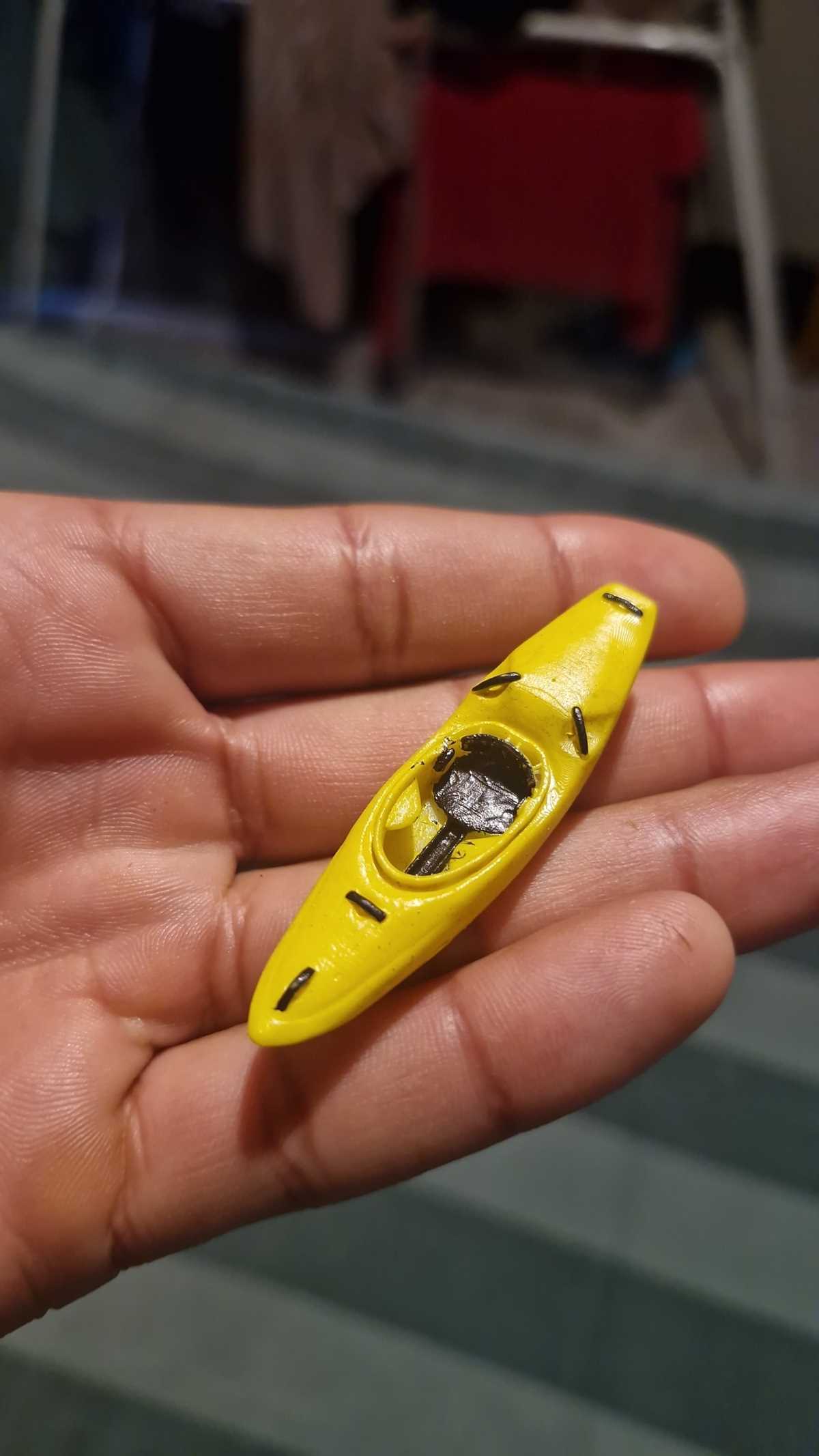
Begin with a detailed understanding of the part you want to create. Whether it’s a handle, a clip, or a buoyancy aid, the design process starts by assessing its specific functions. Identify the dimensions, load-bearing requirements, and any environmental factors it will encounter, such as UV exposure or water pressure.
Next, choose the appropriate modeling software. Tools like Fusion 360 and SolidWorks are ideal for creating complex designs with precision. If you’re new to 3D modeling, TinkerCAD offers a more beginner-friendly interface that still provides the necessary functionality for simple components.
Measure your existing gear accurately. Use calipers or a digital micrometer to get precise measurements of the equipment you want to modify or attach to. This ensures that your custom component will fit seamlessly into the existing setup without requiring any adjustments after printing.
Incorporate tolerance and clearance into your design. Parts often require a small gap to fit together correctly, especially when dealing with moving or interlocking components. Always account for material expansion or shrinkage during printing and add slight clearance to ensure smooth operation.
For durability, choose the right material. ABS is ideal for parts that need to withstand impact, while PETG offers greater UV resistance and is slightly more flexible. Nylon and carbon fiber-infused filaments are suitable for highly stressed components, as they offer strength and stiffness.
Once the design is complete, perform virtual testing to check for weak points or design flaws. Simulation tools available in advanced modeling software can help predict how your component will behave under stress. This step helps minimize failures during real-world use.
After 3D printing the component, test it under real conditions before using it on your gear. Subject the part to pressure, temperature variations, and impacts to assess its strength and functionality. This ensures that it will hold up during actual use in the water.
Lastly, refine your designs based on testing. Don’t be afraid to iterate and improve your components. The beauty of 3D design is the ability to rapidly make adjustments and create more refined, optimized versions of your components.