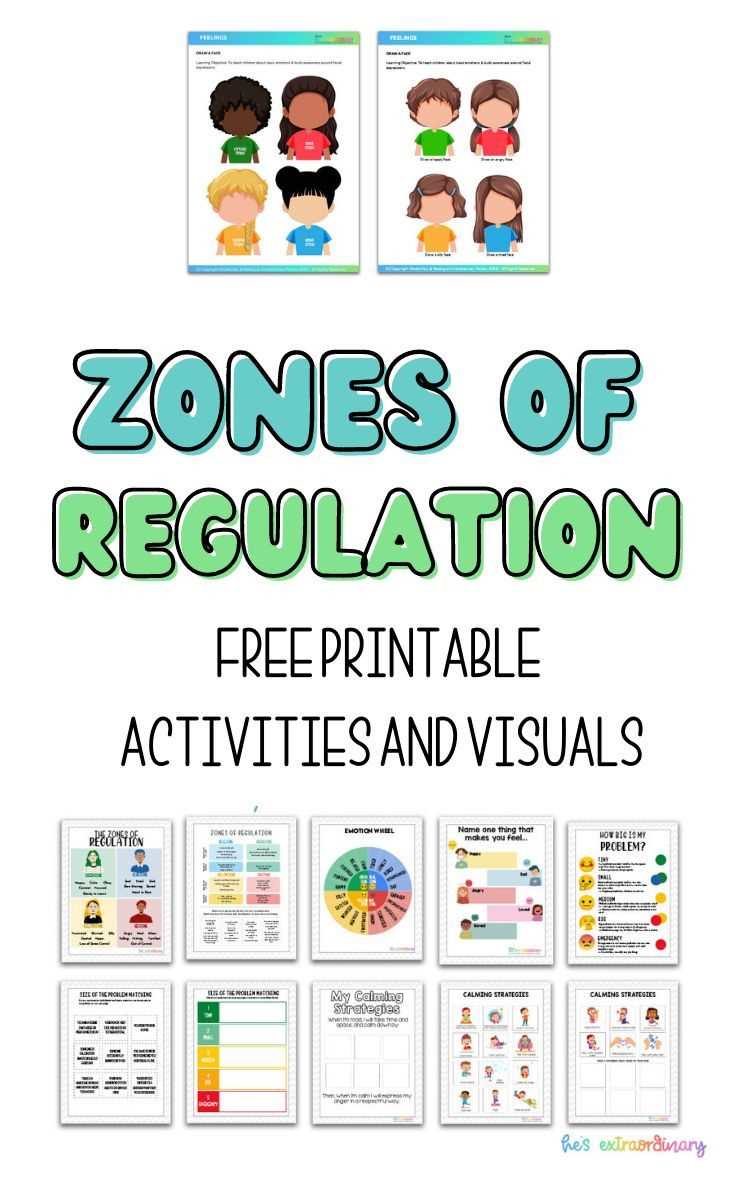
For anyone working with children or individuals who experience difficulties in managing their emotional responses, a structured approach is highly recommended. A color-coded system designed to help distinguish different emotional states can be an excellent visual tool for understanding and managing feelings. By categorizing emotions into defined groups, you can assist in identifying which state a person is experiencing and guide them towards the appropriate coping strategies.
To implement this in daily routines, consider having visual charts with colors that represent various emotional levels–calm, anxious, upset, and angry. Each color would correspond to specific behaviors and offer simple techniques for moving from one emotional state to another. For example, when a person is in a heightened emotional state, activities like deep breathing or taking a break could be used to help return to a more grounded position. These charts can be placed in visible locations, allowing quick access for reference when needed.
In therapy or educational settings, it’s beneficial to keep these tools simple yet specific. For children or individuals who may not have developed advanced emotional vocabulary, using visuals such as faces or symbols can make it easier for them to relate to their emotional experience. This approach doesn’t just offer a solution in the moment but can also build long-term emotional awareness and self-regulation skills.
HTML
Using Printable Emotional Charts for Kids
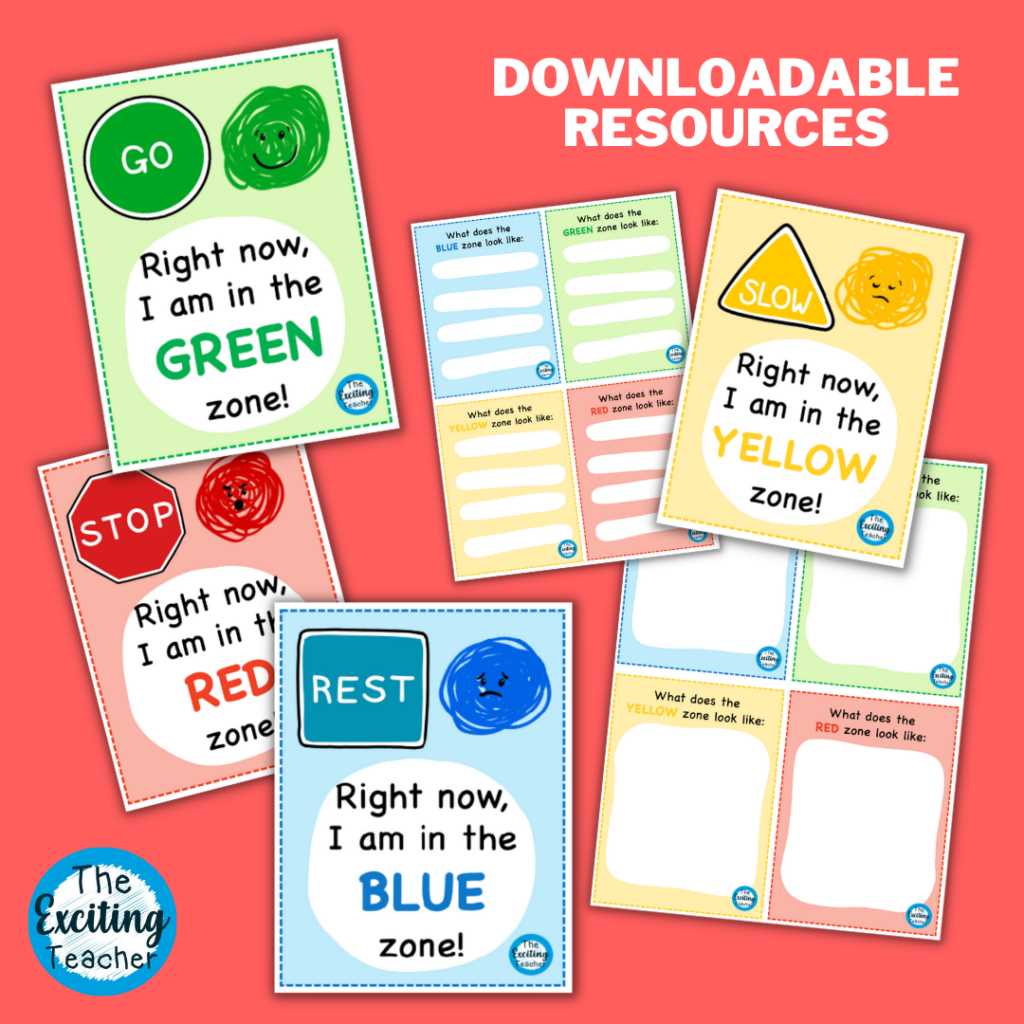
To create a practical tool for emotional awareness, use a chart that outlines different emotional states with clear visual representations. Ensure that these visual cues are straightforward, easily recognized by children, and correspond to colors or facial expressions that are widely understood. This method helps children identify and express their feelings, which is particularly effective for those struggling with emotional regulation.
Incorporate this tool into daily routines to give children a structured way to monitor their emotional responses. For instance, you can provide an “emotion meter” that allows children to assess their current emotional state throughout the day. This visual representation supports them in recognizing shifts in mood and understanding when they need to take a break or use calming strategies. Additionally, encourage children to practice coping mechanisms related to each emotional zone, so they are prepared for various situations.
How to Create Customizable Printable Emotional Frameworks for Your Classroom
Begin by selecting a visual layout that works for your space. You can opt for grids, charts, or circular designs. Using different shapes and colors helps students identify specific feelings or states, making the content more engaging. Each segment should represent a different emotional level, such as calm, frustrated, or anxious. Make sure these categories are easily distinguishable at a glance.
Next, tailor the emotional categories to the needs of your students. You may need to adjust the wording to suit the developmental levels in your classroom. For instance, younger students might benefit from more straightforward terms like “Happy” or “Sad,” while older students could relate better to terms like “Frustrated” or “Excited.” Customize the levels of intensity within each category as well, providing students with a range of options to express themselves.
Incorporate activities or triggers that students can associate with each emotional zone. This can include prompts for calming down or strategies for shifting from one emotional state to another. For example, you could have breathing exercises listed next to a “calm” section, or ideas for taking a break near a “frustrated” section. Providing these action steps makes it clear how students can manage their emotions.
Ensure that the printable design is flexible and adjustable. Students will benefit from a system that they can modify as their emotional states change throughout the day. A writable format, such as using laminated cards that can be marked with dry-erase markers, allows them to update their current emotional state without needing to print a new copy each time.
Lastly, involve students in the process of creating their own emotional charts. Allowing them to add their own words, drawings, or colors makes the framework more personalized and can foster a greater sense of ownership. This interaction encourages students to be more mindful of their emotions and how they can regulate them in different classroom situations.