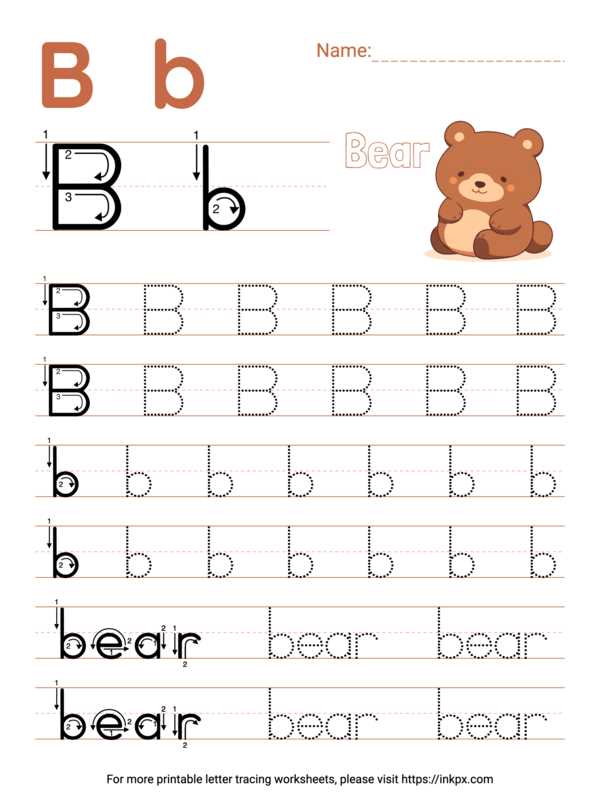
For effective writing practice, start with clear and simple guides that show the shapes of each character. Focus on maintaining consistent strokes and sizes, as this will help build muscle memory. Make sure each shape is large enough to be easily traced, so the learner can get comfortable with forming each part of the symbol correctly.
Choose a sturdy paper that can withstand repeated use, especially if your materials are being used by children. If you’re creating your own, use software to generate neat outlines, and ensure that they leave enough space between each symbol to encourage proper spacing between words. Repetition is key, so providing a variety of sheets with the same designs but slightly different layouts helps keep practice fresh and engaging.
While practicing, focus on holding the writing instrument with the correct grip. Encourage taking breaks to avoid fatigue and to prevent developing bad habits. Be patient–consistent practice over time will lead to noticeable improvements in both speed and legibility.
Printable Handwriting Practice Sheets
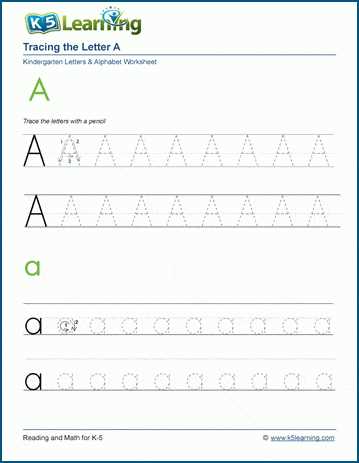
Start with clear and simple guidelines to help learners develop proper handwriting. Use large, easy-to-read symbols with enough space between them to ensure proper formation. This helps students focus on each individual character and prevents confusion when learning new shapes.
Focus on consistency–both in size and spacing–throughout practice sheets. Ensure that each symbol is well-defined, with dotted or dashed lines showing the intended path. For younger learners, use thicker lines and larger spacing to make it easier for them to follow the shapes as they trace them.
For better engagement, rotate the designs periodically. After students become comfortable with one set of shapes, introduce a new version with different font styles or designs. This prevents boredom and ensures they continue developing their skills in diverse ways. Variety also helps with adapting to different writing styles or fonts encountered in everyday life.
When creating these guides, consider adding instructions on stroke order. This ensures learners understand the correct way to form each character, helping them build the muscle memory required for legibility and fluidity. Proper stroke order can make a significant difference in speed and accuracy as learners advance.
Use different sheets for different skill levels. Start with basic characters and progress to more complex symbols as proficiency increases. Include both uppercase and lowercase forms of each character to ensure a complete understanding of writing. This helps students see the relationship between similar shapes while learning both styles.
For advanced learners, challenge them with exercises that involve connecting symbols or forming words. This will help bridge the gap between single-character practice and actual writing. These sheets can include simple words and phrases, offering learners the opportunity to practice continuous writing without interruptions.
Be sure to use high-quality materials when printing these guides. Choose thicker paper to prevent the pages from tearing with repeated use. Laminated sheets or plastic covers can also extend the life of practice pages, allowing them to be used more frequently without wear and tear.
Lastly, create a consistent practice routine. Encourage learners to practice for short periods each day, rather than cramming all sessions into one long session. This will help build muscle memory over time, and consistent, short practice sessions are often more effective than lengthy, irregular sessions.
How to Create Custom Handwriting Worksheets for Beginners
Start by designing simple, large shapes for each character that are easy to follow. Use dotted lines or dashed outlines to guide learners through the process of forming each symbol. Ensure the spacing between the symbols is wide enough to allow learners to focus on one shape at a time, preventing confusion during the practice session.
For customization, consider the learner’s progress and adapt the sheets accordingly. Begin with basic shapes and move to more complex ones, such as connecting symbols to form short words. You can also introduce various fonts or styles to keep the learning process engaging. Print these on high-quality, thick paper to ensure durability through repeated use, especially if the learner is a child or beginner. Make sure the design of each sheet is clear, with enough space for learners to practice without feeling cramped.