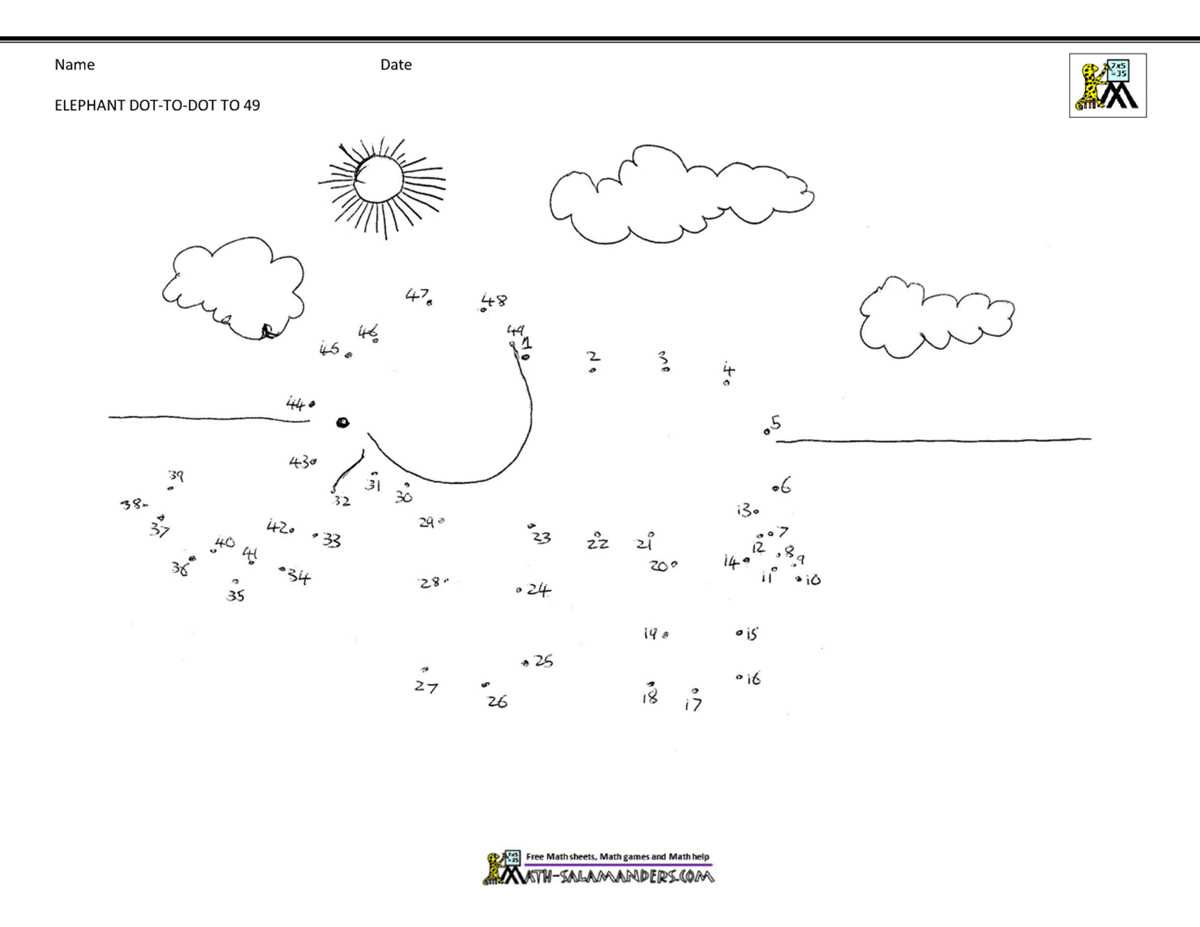
Choose high-contrast, age-matched point-link puzzles for first use, because clear numbering and logical spacing reduce frustration and keep young learners engaged longer. For preschool level, aim for images with 10–25 marked points, while early elementary learners handle 30–80 points without losing focus.
Well-designed worksheets of this type build fine motor control, visual sequencing, and number recognition at same time. Unlike random coloring pages, these activities guide a child through a structured path, helping hand–eye coordination improve with each completed picture. For classroom use, black-and-white line art on A4 paper saves ink and keeps lines crisp.
Parents and teachers should rotate themes–animals, vehicles, seasonal objects–to maintain curiosity. Short sessions of 10–15 minutes work best; longer periods often lead to skipped numbers or messy tracing. Store finished sheets in a progress folder so children can see improvement in accuracy and line smoothness over time.
Connect the Dot Printable: Practical Guide for Parents and Teachers
Choose worksheets with numbered sequences that match the child’s age and fine-motor level. For beginners aged 3–4, limit tasks to 10–20 points with wide spacing (at least 1.5–2 cm between marks). Children aged 5–6 handle 30–50 points comfortably, while early primary students can manage 80+ in more compact layouts. Always preview the sheet to confirm the final picture is recognizable and motivating.
Prepare materials before handing out the activity. Use medium-weight paper (90–120 gsm) so pencil pressure does not tear the surface. Provide sharpened HB pencils for most learners; thicker triangular pencils help younger children maintain grip. Place a scrap sheet under the page for left-handed students to reduce smudging. If printing in bulk for a class, keep margins at least 1 cm to prevent cutoff during standard A4 printing.
Structure the session with clear, time-bound steps so students stay focused and avoid random line drawing. A typical classroom block lasts 10–15 minutes and works well in literacy or math centers.
- Explain number order verbally and show a quick sample.
- Ask learners to trace slowly rather than jump between numbers.
- Pause halfway to check sequencing accuracy.
- After completion, let students color the revealed image.
- Display finished work on a board to reinforce attention to detail.
Differentiate tasks by adjusting complexity instead of giving the same sheet to everyone. For mixed-ability groups, prepare three tiers. Emerging learners benefit from bold numbers and guiding arrows. Mid-level students manage standard numbering without arrows. Advanced pupils enjoy skip-count patterns (by 2s, 5s, or 10s) or alphabet sequencing. This tiered approach reduces frustration and keeps stronger learners engaged.
Use these puzzles to reinforce academic skills beyond fine-motor practice. Teachers often integrate them into math warm-ups, phonics blocks, or quiet-time routines. Productive classroom uses include:
- Number recognition drills for kindergarten.
- Skip counting practice in Grade 1–2.
- Alphabet order review for ESL learners.
- Holiday-themed quiet work during transitions.
- Early finisher tasks that require minimal supervision.
Store finished sheets in individual folders and review progress monthly. Look for smoother line control, fewer skipped numbers, and faster completion time. If a child repeatedly jumps ahead or loses place, switch to lower-density layouts and add a ruler or finger-tracking method. Consistent short practice sessions (3 times per week) typically produce visible improvement in hand control within 4–6 weeks.
How to Choose Age-Appropriate Number-Link Puzzle Worksheets
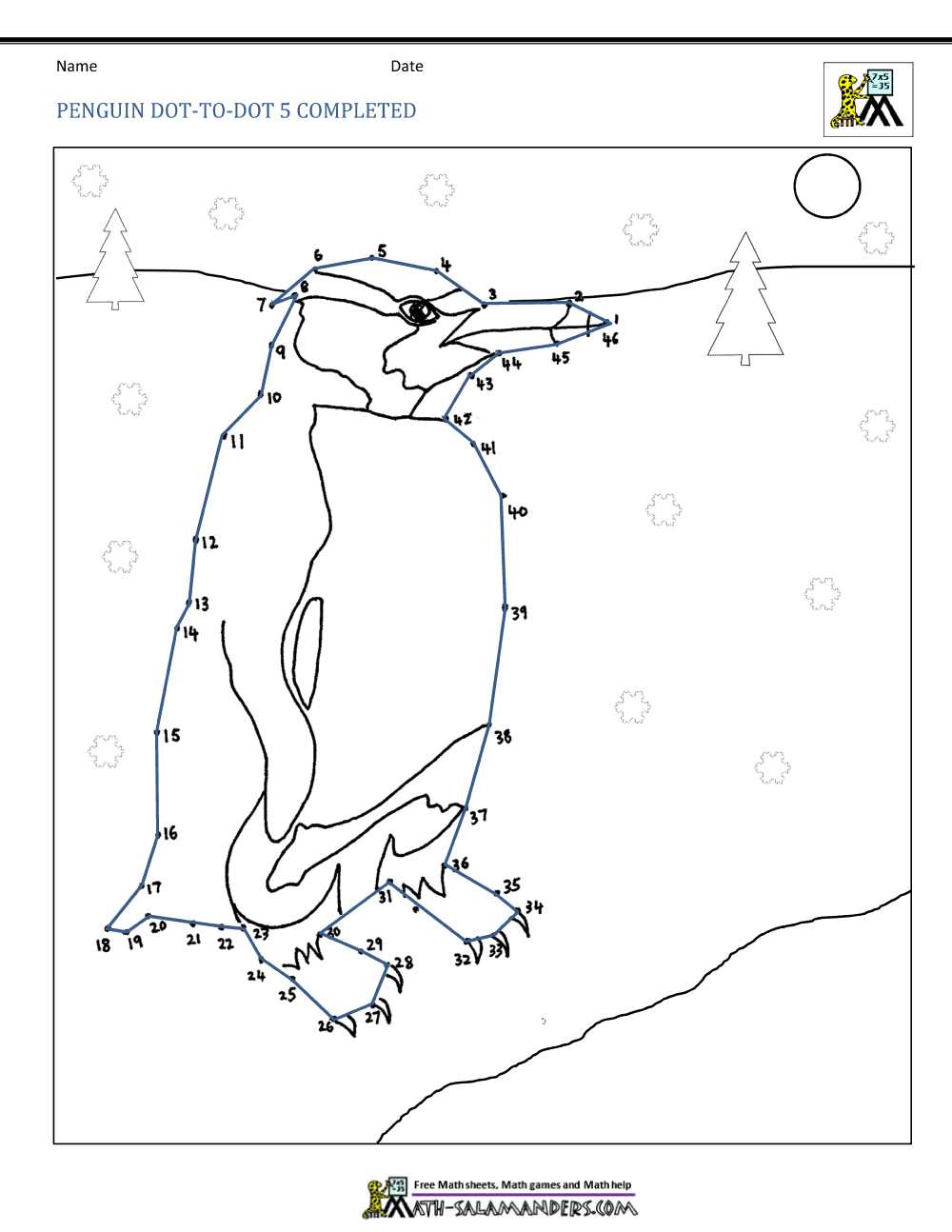
Pick worksheets with point counts that match child’s current counting range; for ages 3–4, stay within 1–20, while ages 5–6 usually handle 1–50 without frustration. Quick scan of highest number on page often predicts difficulty level more reliably than marketing labels.
Visual spacing between numbered marks matters just as much as quantity. Younger learners benefit from wide gaps and bold lines that guide pencil movement without guesswork. Older kids can manage tighter clusters and thinner outlines, which demand better hand control and attention.
Theme complexity should align with cognitive maturity. Simple shapes such as animals or basic vehicles work well for preschool groups because finished picture becomes recognizable early in process. School-age children respond better to detailed scenes–castles, space objects, or intricate patterns–since longer sequences keep interest high.
Check numbering style before printing sheets for regular use. Early learners need straight counting sequences, while children who already master forward counting gain more from skip-count formats (2s, 5s, or 10s) or mixed sequences that reinforce number recognition rather than mere memorization.
Paper layout also influences success rate: choose pages with clear margins, uncluttered backgrounds, and large starting indicators. If child often loses track mid-activity, prefer designs that include small guiding arrows or color cues between groups of numbers.