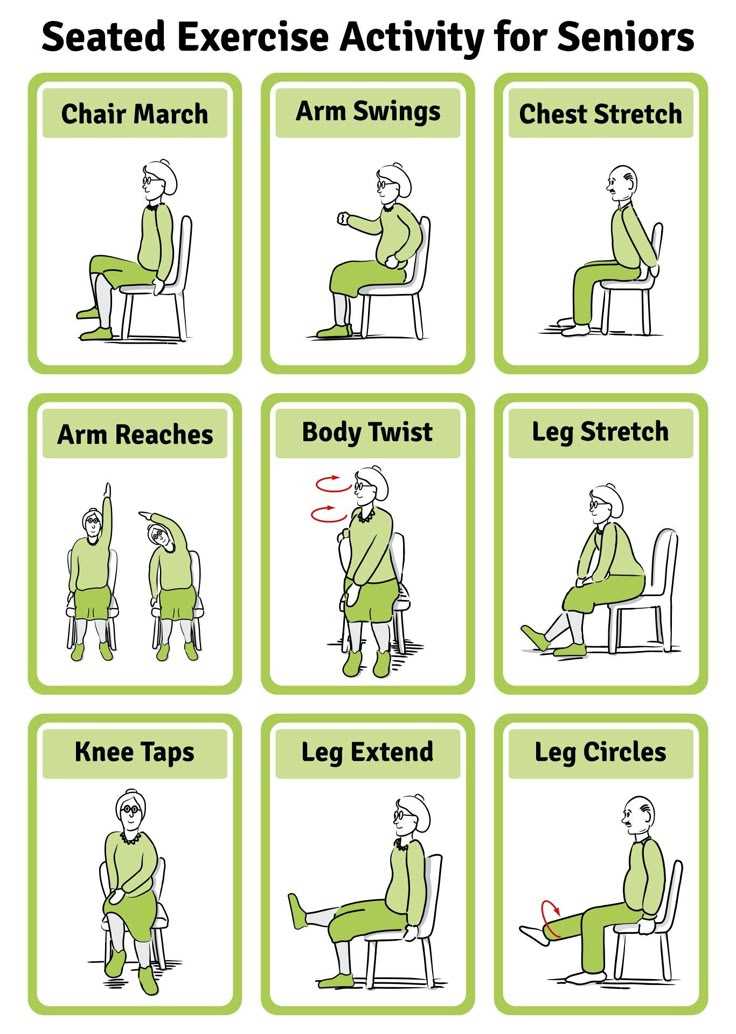
Start with basic movements that target all major muscle groups, such as seated leg lifts, seated marches, and upper body stretches. These exercises are ideal for improving flexibility, strength, and circulation without needing to stand or move much.
For best results, focus on controlled movements, breathing steadily, and maintaining good posture throughout each exercise. Using a stable seat will provide the necessary support and prevent injury, especially for beginners or those with mobility limitations.
As you progress, consider increasing the intensity by adding small weights or adjusting the pace. Tracking your progress will help you stay motivated, and with consistency, you’ll notice improvements in both strength and mobility over time.
Effective Exercises for Building Strength While Seated
Start with seated leg lifts to engage your lower body. Sit with your back straight and feet flat on the ground. Slowly extend one leg out in front of you, hold for a few seconds, and return it to the ground. Repeat 10-15 times on each side. This targets your quadriceps, hips, and improves circulation without the need for standing.
For the upper body, try seated torso rotations. With feet flat on the floor and your hands on your hips or extended out in front of you, twist your torso slowly to the right and then to the left. Perform this motion 12-15 times per side. This movement strengthens your core and enhances spinal flexibility, helping you maintain better posture throughout the day.
How to Set Up Your Space for a Chair Routine
Choose a firm, stable seat with no wheels for support during your exercises. A kitchen or dining chair works well, as it provides a solid base to ensure your movements remain controlled and safe. Avoid soft, cushioned seats that could cause instability during activity.
Clear enough space around you to move freely. Make sure there’s no clutter that could obstruct your movements. You should be able to extend your legs and arms without any limitations. Aim for at least 3 feet of space in all directions around your seat.
Ensure the floor is non-slippery to prevent accidents while performing movements. If you’re on a slippery surface, place a non-slip mat or rug underneath the seat to maintain stability. This is especially important if you’ll be adding any resistance exercises to your routine.
Set up proper lighting so you can easily see your body alignment and maintain good posture. Natural light is ideal, but ensure that any artificial lighting isn’t too harsh. You’ll need to stay focused on your movements, so a well-lit space will enhance your comfort and safety.
Wear comfortable, fitted clothing that allows for full range of motion. Tight clothing or any accessories that restrict movement can interfere with your routine. Opt for breathable fabrics that allow your skin to stay cool while you exercise.
Use a cushion or small towel for additional comfort if needed, especially if you’ll be doing exercises that require long periods of sitting. The cushion should not be too soft, as it may make it harder to engage your core properly.
If you’re using weights or resistance bands, keep them nearby for easy access during the routine. Organize your equipment so that you can transition smoothly between exercises. Having everything in place will help you stay focused and avoid interruptions.