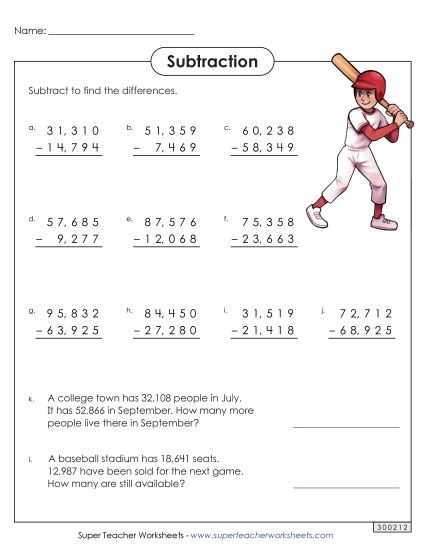
Use structured practice sheets that combine short tasks with clear visual cues–this approach helps learners aged 10–11 stay focused longer and improves retention of new material. For example, math pages should limit each problem set to 8–12 items and include a worked example at the top. Reading comprehension tasks perform better when passages stay within 120–180 words and are followed by 4–6 targeted questions rather than long quizzes.
Well-designed learning pages at this stage should reinforce multiplication with two-digit numbers, long division, fraction comparison, and basic decimal operations. In language arts, prioritize exercises that build paragraph structure, context vocabulary, and inference skills. Mixed-skill pages–such as short word problems combining math and reading–are especially useful because they mirror classroom assessments and help children transfer knowledge across subjects.
Layout matters as much as content. Keep margins wide enough for notes, use fonts no smaller than 12–14 pt, and separate task blocks with visible spacing. Black-and-white formats reduce ink use while maintaining clarity. Adding small progress trackers or check boxes encourages self-monitoring and gives teachers and parents quick feedback on mastery.
When selecting or creating materials, rotate topics weekly and gradually increase task complexity. This steady progression prevents boredom while still challenging learners who are moving beyond basic arithmetic and simple text analysis.
Skill-Building Practice Pages for Upper Elementary Students

Choose targeted practice pages that match current classroom topics, such as long division, fraction comparison, and multi-paragraph reading tasks. At this learning stage, children benefit most from short, focused activities that can be completed within 10–15 minutes. Select sheets with answer keys so adults can quickly verify results and spot gaps in understanding.
Mathematics materials should include mixed-problem sets rather than single-skill drills. A page combining multiplication, decimals, and word problems keeps attention higher and mirrors real assessments. Aim at about 12–20 problems per page; fewer may feel trivial, while dense layouts often discourage completion. Clear spacing and readable fonts help students work independently without constant clarification.
Reading and writing pages work best when tied to short nonfiction passages of 150–300 words. Follow each passage with 4–6 questions that require citing evidence, not simple recall. Vocabulary tasks should focus on context clues, prefixes, and suffixes, since learners at this stage expand academic language rapidly. Include one open-ended prompt so children practice structured paragraph responses instead of selecting multiple choice answers only.
Rotate subjects across the week to maintain momentum. For example: Monday–math fluency, Tuesday–reading analysis, Wednesday–grammar editing, Thursday–problem solving, Friday–creative writing. This pattern prevents monotony and gives steady exposure to core skills. Keep completed pages in a simple binder; reviewing older work every two weeks reveals progress patterns and recurring mistakes.
Prioritize clean black-and-white layouts that print sharply on standard home printers. Avoid heavy graphics that waste ink or distract attention. A well-designed practice page should guide the learner’s eyes from top to bottom, present instructions in plain language, and leave enough workspace beside each question. With consistent use, these materials strengthen accuracy, stamina, and independent study habits.
How to Choose Printable Worksheets That Match 5th Grade Curriculum Standards
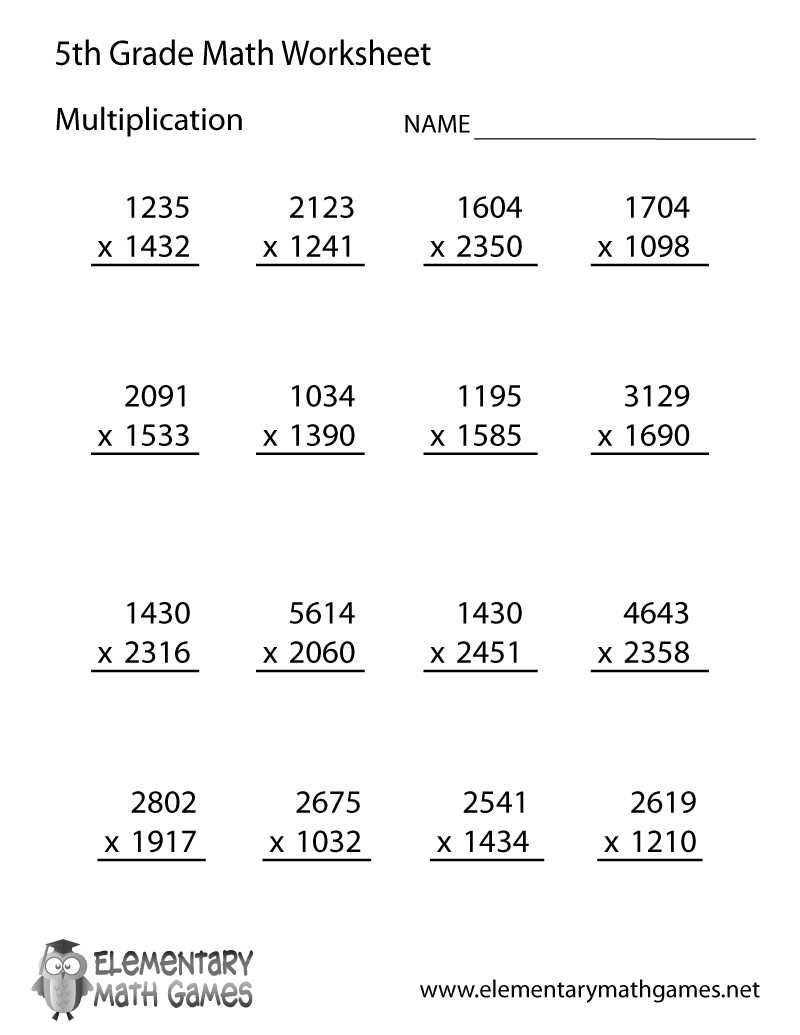
Check alignment with official academic benchmarks before downloading any learning sheets. In the United States, reliable materials typically reference Common Core codes such as CCSS.MATH.CONTENT.5.NF or CCSS.ELA-LITERACY.RI.5.2. If a resource does not clearly list standard identifiers, skip it. Verified alignment saves preparation time and reduces gaps in topic coverage.
Analyze the skill focus with precision rather than relying on broad labels. High-quality practice pages specify measurable outcomes. Look for wording like:
- “Add and subtract fractions with unlike denominators”
- “Interpret numerical patterns using two rules”
- “Determine main idea with supporting details”
Vague descriptions such as “fraction practice” or “reading activity” often signal poorly structured material.
Match difficulty to late elementary cognitive expectations. At this level, learners typically handle multi-step problems, basic volume calculations, and structured text analysis. Avoid pages dominated by simple recall or single-step arithmetic. A quick test: at least 60–70% of tasks should require reasoning beyond memorization.
Inspect the question format carefully. Strong academic sheets mix item types to mirror classroom assessments. Prefer sets that include:
- Multiple-choice questions with plausible distractors
- Short constructed responses
- Word problems using real-life contexts
- Open-ended prompts requiring explanation
If every item looks identical, the material will not build flexible thinking.
Review answer keys for accuracy and depth. Reliable resources provide complete solutions, not just final numbers. In mathematics, step-by-step reasoning should appear at least in sample answers. In language arts, look for rubric hints or model responses. Missing or overly brief keys create extra grading work and make self-checking difficult.
Evaluate visual clarity and page density. Late elementary learners benefit from clean spacing, readable fonts (minimum 11–12 pt), and limited decorative clutter. Warning signs include crowded margins, inconsistent numbering, or tiny diagrams. A well-designed page allows a student to complete tasks without confusion about where to write.
Confirm progression across the set rather than using isolated pages. Strong collections move from guided practice toward independent application. For example, a fraction unit should sequence from visual models → numerical operations → mixed word problems. Randomly ordered tasks slow mastery and make tracking progress harder.
Finally, cross-check the resource against your local curriculum map or pacing guide. Compare at least three recent topics your learners have covered and verify direct overlap. If fewer than two-thirds of tasks reinforce current units, select another option. Tight alignment keeps practice purposeful and prevents time spent on content scheduled for later months.