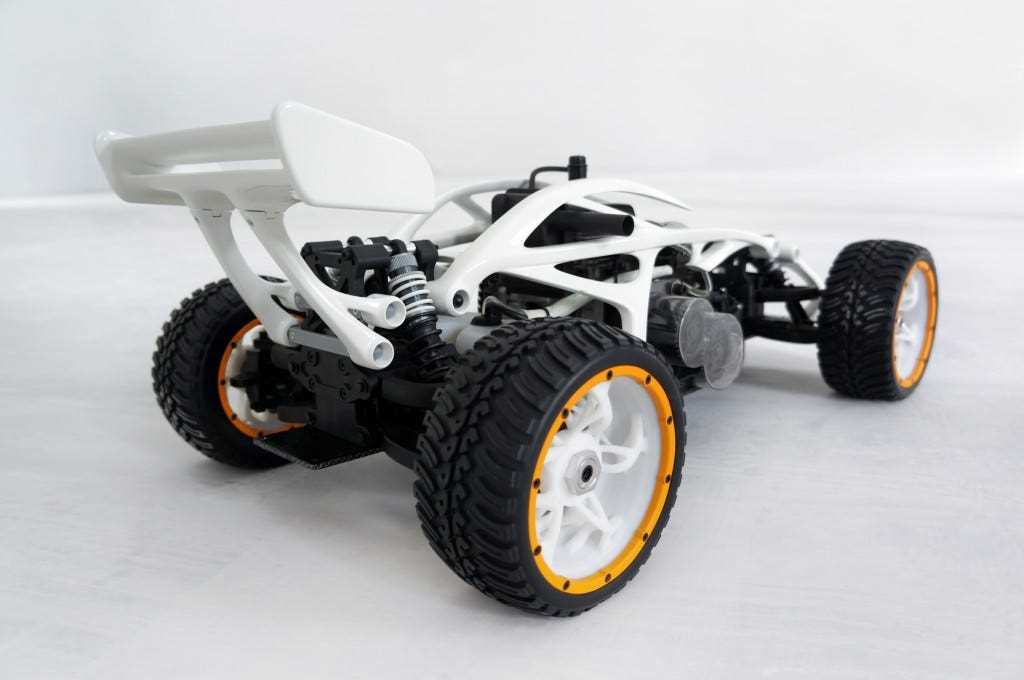
To get started on creating a remote-controlled vehicle from scratch, begin by selecting the right materials. Use durable filaments like PLA or ABS for the main structure, ensuring it can withstand the pressure and impact of high-speed motion. For moving parts, such as wheels and axles, flexible materials like TPU can offer the necessary resilience.
Next, focus on the design process. Utilize 3D modeling software such as Tinkercad or Fusion 360 to create detailed blueprints of each component. Pay attention to the size of the parts to ensure they fit together properly during assembly. Make sure the design accounts for motor placement and wiring, which will be key in ensuring smooth movement and functionality.
After completing the design, it’s time to assemble the printed parts. Carefully fit the pieces together, ensuring all joints and moving components are secure. Install the motors, wiring, and control system, then test the assembly by performing initial trials. Adjust any parts that don’t fit properly or cause friction to ensure the vehicle operates smoothly.
3D Model for a Remote-Controlled Vehicle
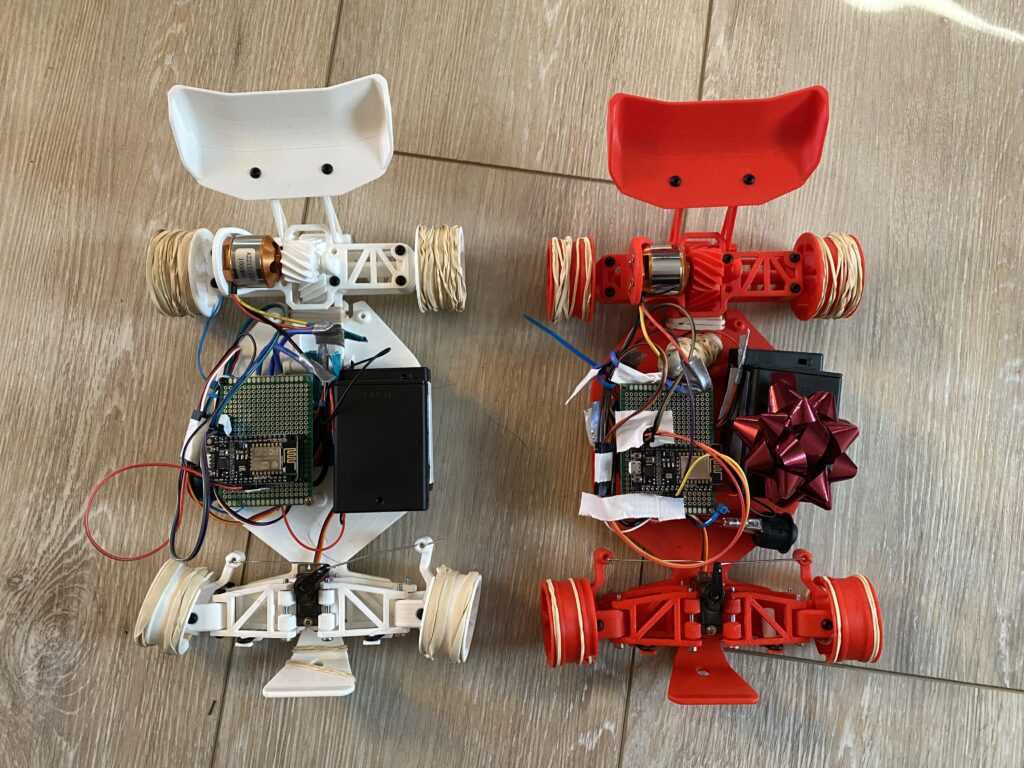
Start by selecting strong, flexible materials such as PLA for the body and TPU for the wheels. PLA offers durability for structural components, while TPU provides the necessary flexibility for moving parts, reducing the likelihood of breakage during high-speed impacts.
Design each piece using 3D modeling software, ensuring proper dimensions and compatibility with your motors, batteries, and other components. Accurate measurements are key for seamless assembly. Pay close attention to joint areas where parts will connect, ensuring they are appropriately sized for stability.
Once the design is complete, prepare the files for 3D printing. Choose a print resolution that balances speed with quality, particularly for functional parts like axles and wheels. A finer resolution is better for detailed components, while larger, structural parts can be printed with a coarser setting.
After printing, assemble the parts by first fitting the main body together. Ensure that the motor mountings and wheel attachments are properly aligned to avoid unnecessary strain during operation. Test each part’s movement before securing them permanently to ensure everything moves smoothly.
Install the wiring and connect the motors and control system. Use a small, efficient battery pack to power the vehicle, making sure it’s securely placed within the body to avoid shifting during movement. Ensure the wiring is neatly organized to prevent it from interfering with the wheels or other moving parts.
Once assembled, conduct several test runs to fine-tune the performance. Adjust wheel alignment, motor speed, and battery placement as needed. This testing phase is crucial for identifying any mechanical issues that may arise during real-world use, ensuring your vehicle is ready for action.
Choosing the Right Materials for 3D Printing an RC Vehicle
Start with the selection of filament. PLA is a good choice for the main structure of the vehicle due to its ease of printing and relatively high strength. However, PLA can be brittle under impact, so for parts that will experience more stress or require flexibility, materials like ABS or TPU are better suited.
ABS offers superior strength and heat resistance, making it ideal for components like the chassis, where durability is key. ABS can handle higher temperatures, which is useful if the vehicle is expected to operate in warmer environments. It also offers some flexibility, which can help prevent cracking during high-speed maneuvers.
For parts that need to be highly flexible, such as the tires or suspension, TPU (Thermoplastic Polyurethane) is the best option. TPU has excellent elasticity and abrasion resistance, which ensures that it can handle rough surfaces without losing shape or performance. It is also highly durable and resistant to wear over time.
- PLA: Best for the body or aesthetic parts where flexibility is not critical.
- ABS: Ideal for the structural components that need to withstand force and heat.
- TPU: Perfect for flexible parts like tires and suspension components.
When selecting filament, consider the ease of printing and the cost. PLA is inexpensive and user-friendly for most 3D printers, while ABS and TPU may require more advanced printing techniques, such as higher extrusion temperatures or heated print beds. Ensure your 3D printer is capable of handling these filaments before starting the project.
In addition to filament selection, consider post-processing materials such as epoxy or resin coatings for added strength and surface finish. These coatings can be used to smooth out rough surfaces, increase impact resistance, and protect the 3D printed parts from moisture or dirt accumulation.
Lastly, for the electronics housing and smaller parts like the battery compartment or motor mount, use a material that offers sufficient rigidity but doesn’t add excessive weight. A lightweight material like PETG can provide a balance between strength and weight, ensuring that the final product is not too heavy or unbalanced.
By carefully selecting the right combination of materials, you can enhance the performance, durability, and overall quality of your remote-controlled vehicle. Prioritize functionality based on each part’s purpose, and remember to test the design to ensure it meets your expectations for strength and flexibility.