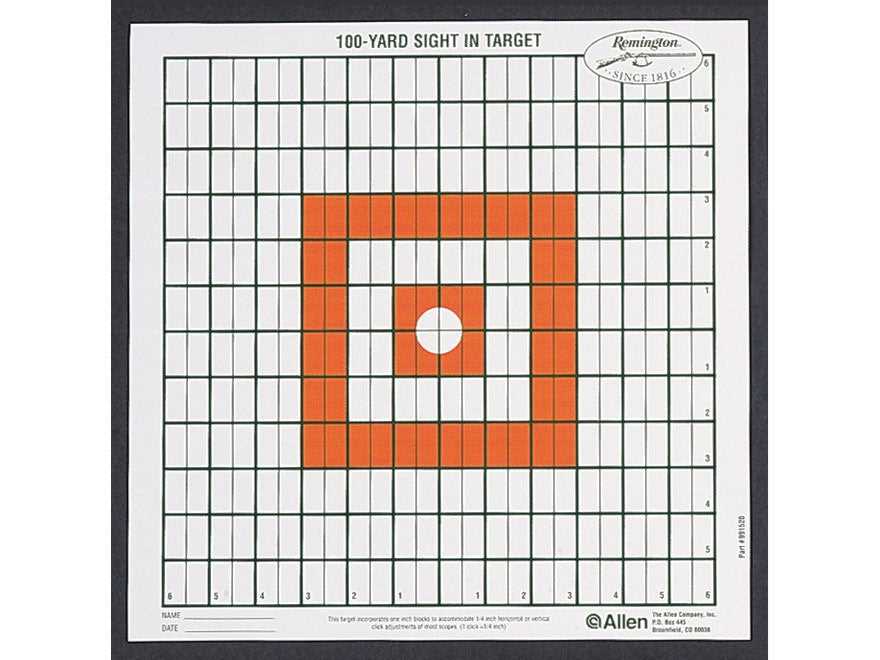
For those serious about improving shooting accuracy at extended ranges, the first step is choosing the right markers for your sessions. A well-designed sheet with precise markings can make a significant difference in tracking performance. Look for templates that offer clear, high-contrast lines and defined centers to ensure easy sight alignment. The right spacing allows for both pinpoint accuracy and easier tracking of bullet impact.
Using proper materials is key when preparing your markers for regular use. Standard printer paper works fine for a casual session, but for more durable targets, consider using heavier stock or laminated sheets. This will prevent wear and tear, especially when shooting outdoors. Make sure the ink you use is suitable for visibility in different light conditions, whether shooting in bright daylight or under artificial lighting.
When printing these sheets, remember that the size of the markers and their layout are just as important as the material. Adjust settings for the desired scale, ensuring that each segment is large enough to challenge your precision but not too large to make hitting the mark too easy. Whether you’re focusing on consistency or expanding your range, the accuracy of your setup will help you track progress effectively.
Guide to Using 100 Yard Targets for Shooting Practice
To get the most out of your shooting sessions, start by selecting an appropriate layout for your markers. The size and spacing of the dots or rings should be calibrated for the distance you’re working with. For longer ranges, ensure the center is clearly visible and distinct from surrounding lines. A high-contrast color, such as black on white or bright red, can make a big difference in visibility.
Next, consider the layout’s difficulty. For beginners, markers with larger circles can help you track impact points more easily. As you advance, switch to a more challenging design with smaller segments or additional scoring areas to refine your accuracy. This progression ensures that your practice remains effective, pushing your skills without overwhelming you.
When setting up your session, keep your shooting position consistent. Use a stable platform or shooting bench to minimize movement. Ensure that your marker is securely placed at the correct range and that the background does not interfere with visibility. A clear, unobstructed view will help you focus on precision rather than struggling to spot your shots.
The choice of material for your markers is equally important. Using thicker paper or laminated sheets can help withstand the repeated impacts of bullets. Additionally, consider marking your targets with a distinct design that makes bullet holes easier to spot, such as a solid black dot in the center of the target.
Always use a suitable weapon or firearm for the distance you’re practicing at. Ensure that your scope or sights are properly adjusted for longer distances. A well-calibrated sight system will allow you to focus on improving your skill rather than spending too much time correcting for sight misalignments.
Take notes during your sessions, especially if you’re working on improving your accuracy. Keep track of where your shots land in relation to the target’s center, and identify any patterns in your shooting. This analysis will provide valuable insights into your technique, helping you pinpoint areas for improvement.
Finally, remember that consistency is key. Regular practice with properly designed markers will help you measure your progress more accurately. Whether you’re using them for training or competition, incorporating these markers into your routine can make a significant difference in achieving long-range shooting goals.
How to Choose the Right Target for 100 Yard Practice
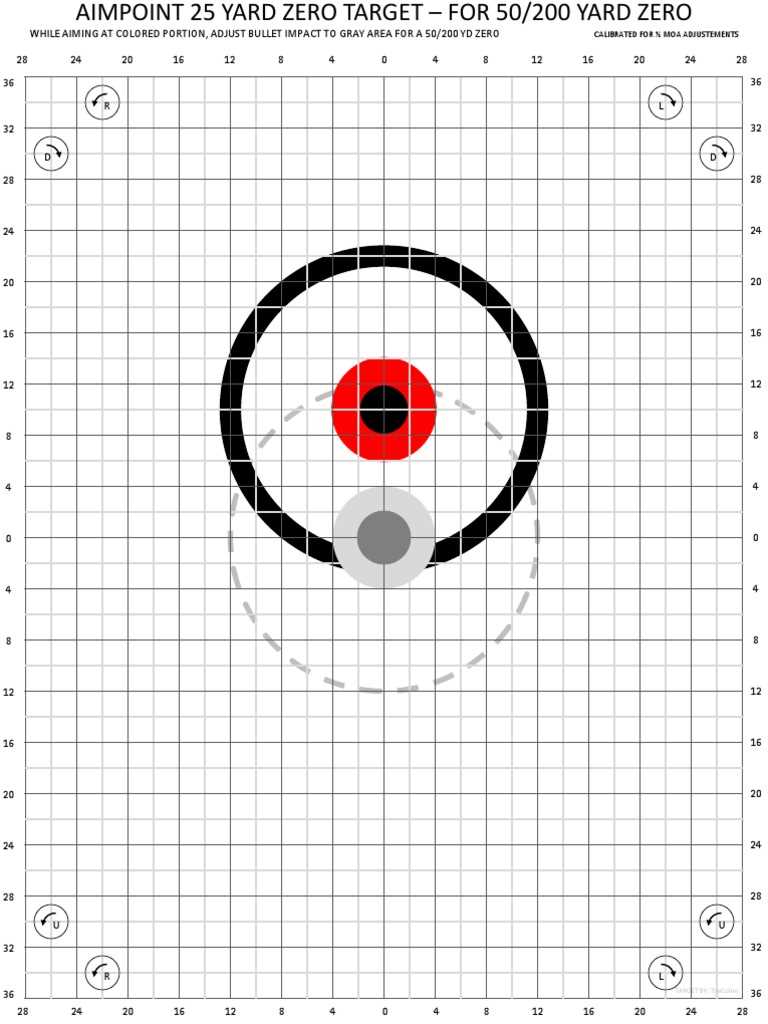
When selecting a marker for long-distance practice, prioritize visibility. At longer ranges, smaller details on a target can become difficult to discern. Choose markers with bold, high-contrast colors that stand out clearly against the background. Bright red or black on white are popular options that ensure clarity.
Next, consider the difficulty level. If you’re a beginner, start with larger, easily visible markers to help you track your shots. As you improve, opt for smaller or more intricate designs that challenge your precision. A target with concentric rings or multiple zones for scoring can help refine your aim at greater distances.
Ensure that the material of the marker is sturdy enough to withstand repeated impacts. Laminated or thick-stock paper is ideal, as it can endure the force of bullets or projectiles. Also, consider a design with clear bullet hole markings, such as a dark central dot that allows for easy identification of shot placement.
The shape of the target is another important factor. Circular markers are common, but square or irregular-shaped targets can offer more variety and challenge. Experimenting with different shapes can simulate various real-world conditions, preparing you for a wider range of shooting scenarios.
Don’t forget to adjust the size of the target based on the shooting distance. For long-range practice, a medium to large-sized marker is best. Targets that are too small might be difficult to spot or may discourage consistent practice, while overly large markers may not provide the level of precision required for skill improvement.
Finally, always test the target’s suitability before starting your practice session. Set up the marker at your preferred distance and ensure that your sighting system is calibrated correctly. This will ensure a productive and focused shooting experience, allowing you to track your progress accurately and make the necessary adjustments to your technique.