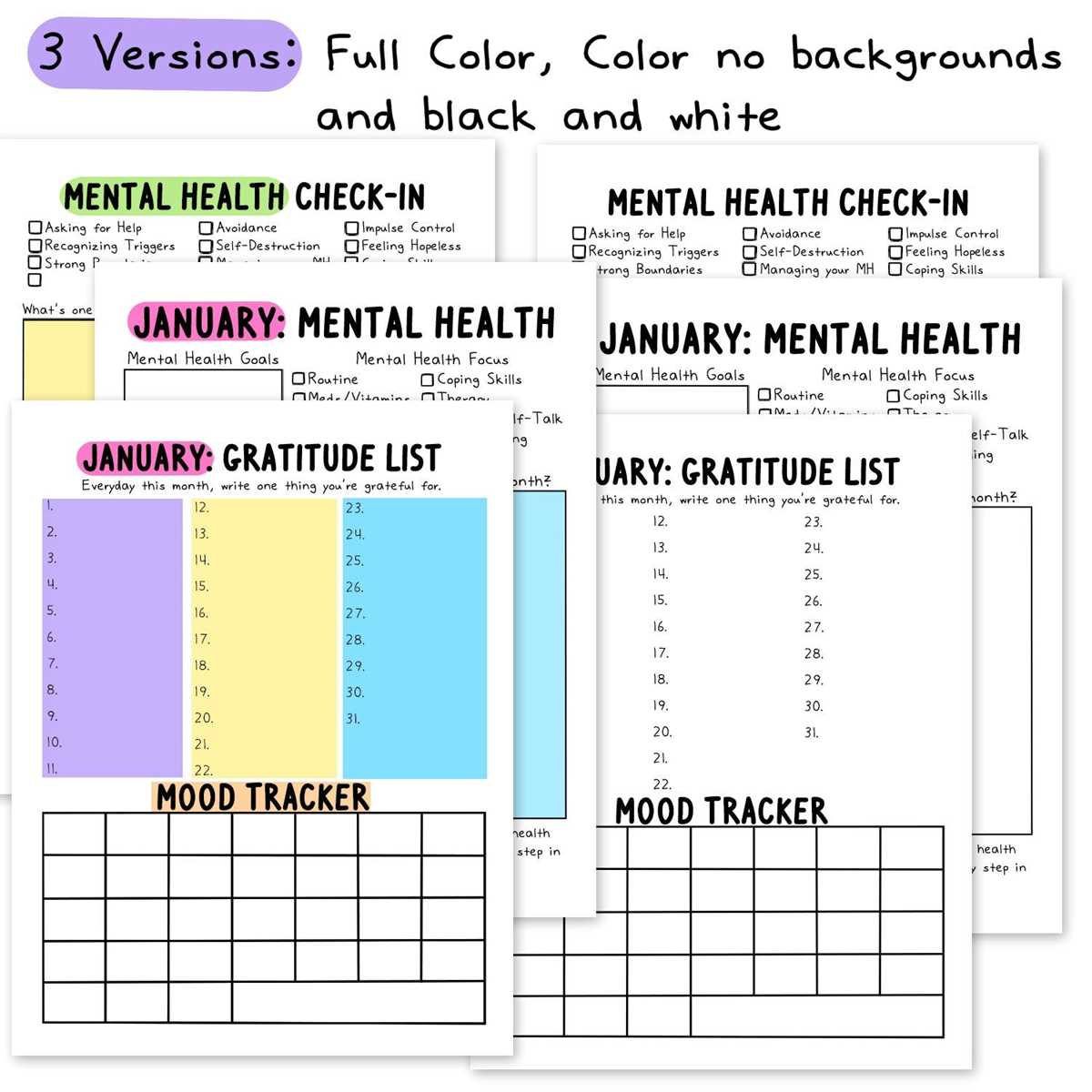
Use structured self-reflection sheets for 10 minutes each morning to track mood patterns, stress triggers, and daily priorities–this simple routine often improves self-awareness within two weeks. Short, focused exercises such as emotion logs, thought-challenging charts, and habit trackers provide measurable insight that casual journaling rarely delivers. For example, rating mood on a 1–10 scale alongside sleep hours quickly reveals correlations many people overlook.
Well-designed therapy handouts work best when they target a single skill per page. A cognitive reframing template, for instance, should include three fixed prompts: the triggering event, the automatic thought, and a balanced alternative response. Limiting each section to 2–3 lines encourages consistency and prevents users from abandoning the exercise halfway. Research in behavioral psychology shows that brief written interventions completed at least three times per week can noticeably reduce rumination.
Consistency matters more than complexity. Choose formats that require no more than five minutes to complete: weekly mood charts, boundary-setting planners, or gratitude trackers with predefined fields. Black-and-white layouts with clear spacing improve usability when printed at home, while checkboxes and rating scales speed up daily use. When selected carefully and used on a fixed schedule, these structured pages become a practical tool for monitoring emotional well-being and reinforcing healthier thinking patterns.
Mental Health Printable Worksheets
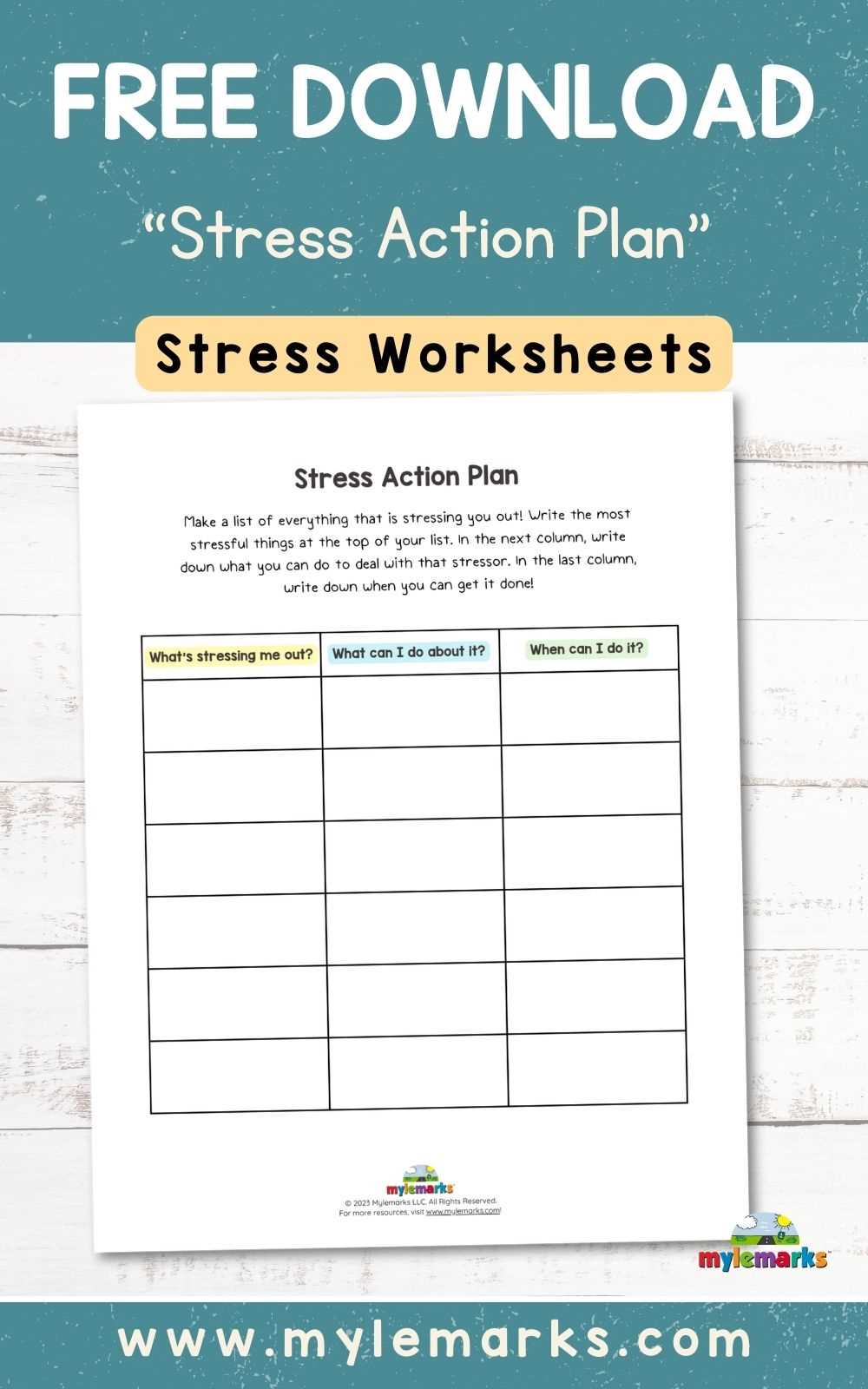
Use structured self-reflection sheets at least three times per week to track mood patterns and triggers. Consistent recording helps identify recurring stress points within 14–21 days. Choose templates that include time, situation, emotion rating (1–10), and physical sensations. Avoid generic pages without measurable fields, since vague journaling rarely produces actionable insights.
Prioritize cognitive restructuring forms when dealing with intrusive thoughts. These pages guide users through identifying automatic thoughts, examining evidence, and generating balanced alternatives. A well-designed sheet should dedicate separate sections for facts versus interpretations. Users who complete at least five entries weekly often report clearer thinking and reduced rumination within one month.
Behavior activation planners work best for low-motivation periods. Select activity trackers that break tasks into small, timed blocks (15–30 minutes). Visual progress bars or checkboxes increase follow-through. Many therapists recommend scheduling at least one mastery activity and one pleasure activity daily to counter withdrawal patterns.
- Daily mood logs with numeric scales
- Thought-challenging templates
- Weekly habit trackers
- Sleep and energy monitoring pages
- Gratitude and positive event records
For anxiety regulation, breathing practice sheets with guided pacing outperform plain instructions. Look for formats that include inhale/exhale counts (for example 4-6 rhythm), body scan prompts, and post-exercise rating fields. Completing two short breathing records per day can lower perceived tension scores by measurable margins within two weeks.
Children and teens respond better to visually engaging pages. Use versions that include emotion faces, color-in zones, and short reflection prompts limited to one sentence per item. Long text-heavy formats reduce completion rates among younger users. School counselors often distribute weekly emotion check-ins paired with simple goal-setting boxes.
- Print on matte paper to reduce glare during writing.
- Keep completed pages in chronological order for pattern review.
- Review entries weekly, not just daily.
- Replace any template that feels repetitive after 4–6 weeks.
Progress review forms should appear every seventh day. These summary sheets help compare mood averages, sleep hours, and activity levels across the week. Add a short reflection question such as “What helped most?” to reinforce awareness. Without periodic review, daily tracking often becomes mechanical and less useful.
Combine several page types into a rotating routine rather than relying on a single format. A practical weekly set might include three mood logs, two thought records, one activity planner, and one weekly review. This mix captures emotional, cognitive, and behavioral data, giving a clearer picture of personal patterns and supporting more targeted self-management.
How to Choose the Right Printable Worksheet for Anxiety, Stress, or Mood Tracking
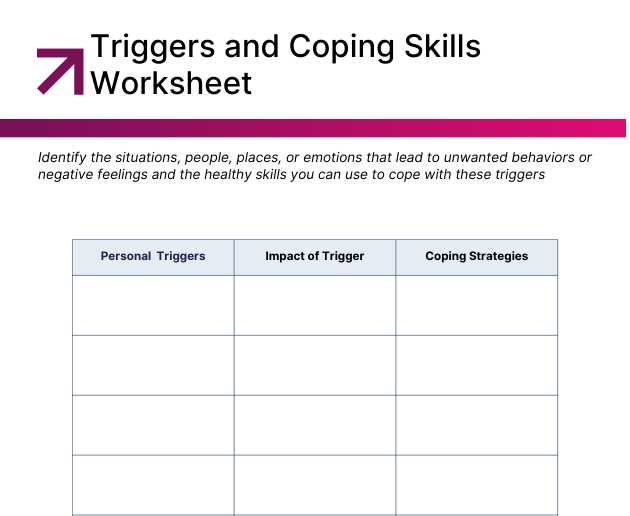
Pick a template that matches your exact goal first: calming anxious spikes, monitoring daily tension, or logging mood swings. If anxiety is the main issue, look for sheets that include trigger identification and intensity rating scales from 1–10. For stress monitoring, prioritize layouts with time-of-day tracking and space for physical symptoms such as headaches or muscle tightness. Mood tracking works best with emotion wheels or color-coded daily logs that allow quick visual scanning across weeks.
Check the level of structure before downloading. Highly structured pages with checkboxes and guided prompts suit people who struggle to begin reflection on their own. More open formats with blank journaling areas work better for users who already know their patterns and want flexibility. A good rule: beginners usually benefit from guided prompts every 2–3 lines, while experienced users often prefer at least 50% free writing space.
Evaluate the time demand honestly. If a form takes longer than five minutes per entry, consistency usually drops after the first week. Daily trackers should fit on one page and require no more than 6–10 short responses. Weekly review sheets can be longer, but they should still allow completion in under 15 minutes. Overly detailed logs often look appealing but tend to be abandoned quickly.
Pay attention to visual clarity and cognitive load. Clean layouts with high contrast text, wide margins, and clear section dividers reduce friction during stressful moments. Avoid crowded designs with more than three font styles or excessive decorative elements. If you need to fill it out during anxious periods, the form should be readable at a glance without scanning dense blocks of text.
Test one format for 7–10 days before switching. Track whether you actually complete entries, whether patterns become visible, and whether the sheet prompts useful reflection rather than repetitive answers. If completion falls below five days per week or insights remain vague, choose a simpler or more focused version. The right choice is the one you consistently use and that reveals actionable patterns in your emotional data.