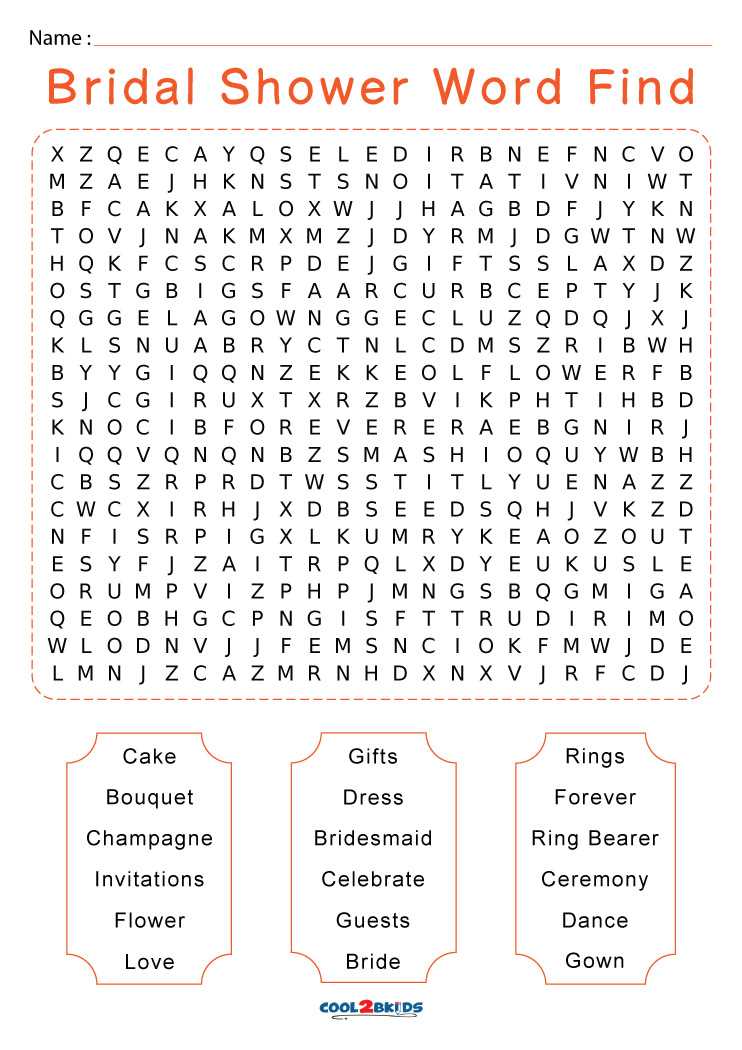
Choose themed letter-finding sheets with grids no larger than 8×8 cells; this size keeps tasks manageable for children aged 4–6 and prevents visual overload. Short target lists of 5–8 simple terms (such as animals, colors, or classroom objects) help young learners stay focused while building early reading confidence. Black-and-white layouts save ink and allow children to color discovered items, adding a second layer of engagement.
For best classroom or home results, use large uppercase lettering with clear spacing of at least 0.5 cm between characters. Rounded sans-serif fonts such as Comic Neue or similar beginner-friendly styles reduce letter confusion. Place the term list beside the grid rather than below it; side placement shortens eye movement and speeds recognition for pre-readers who are still mastering left-to-right tracking.
Rotate topics weekly–farm animals, basic shapes, seasons–to maintain curiosity and reinforce vocabulary through repetition in new contexts. Pair each sheet with a simple follow-up activity, such as circling the first letter or drawing one найденный предмет, to strengthen memory retention and fine motor control. Consistent practice of 5–7 minutes per session is usually enough to build familiarity without causing fatigue.
Letter Hunt Puzzles for Early Learners: Practical Guide
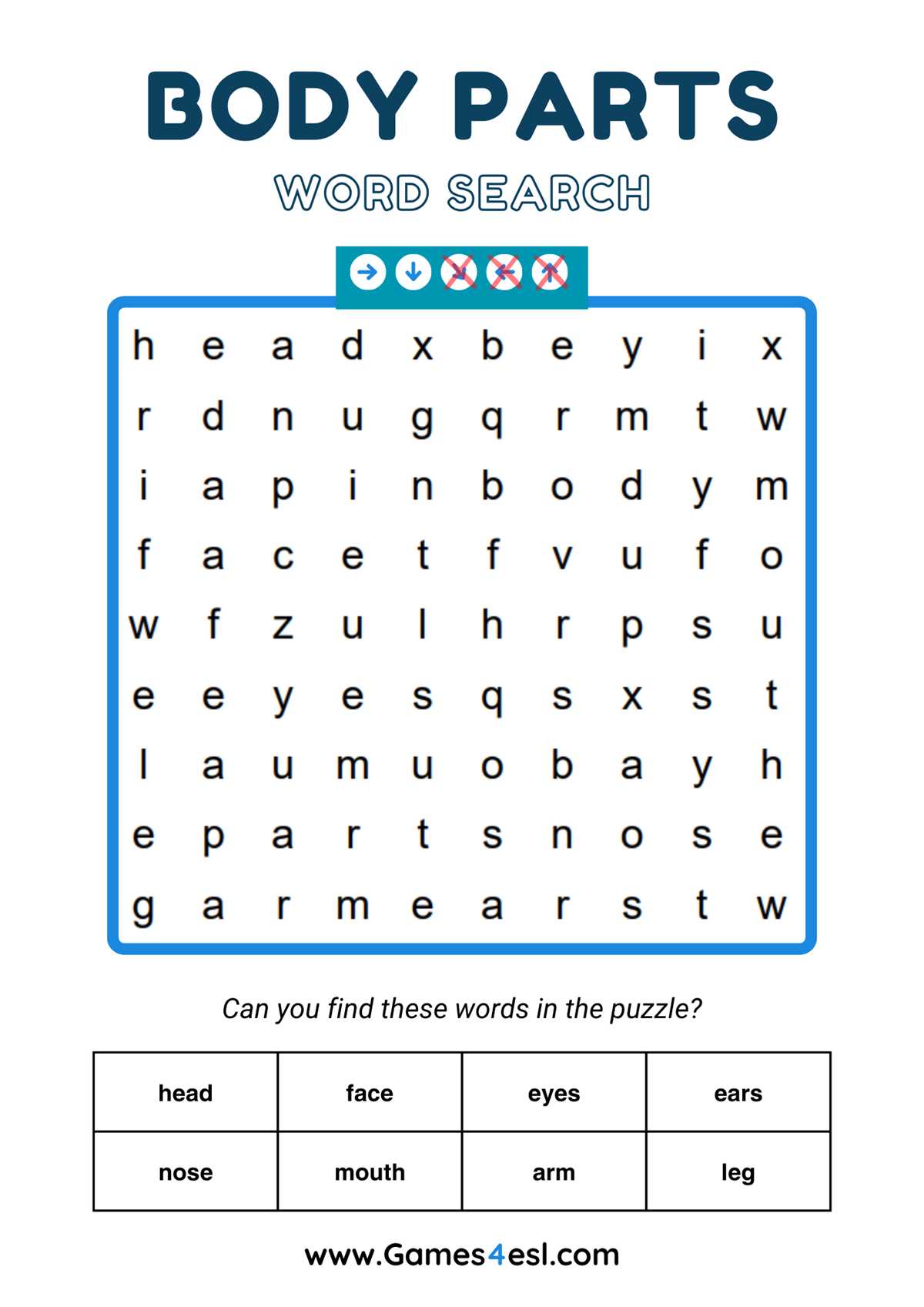
Choose grids sized 6×6 or 8×8 to match the attention span of young pupils; larger layouts quickly cause frustration. Limit hidden terms to 4–6 items and keep each within 3–5 letters. This balance keeps children engaged without cognitive overload.
Pick themes familiar to preschool classrooms. Animals, colors, basic foods, and classroom objects work best because recognition speed stays high. Avoid abstract vocabulary; concrete nouns improve completion rates and boost confidence during independent work.
Prepare clean, high-contrast layouts. Use bold uppercase characters in sans-serif fonts such as Arial or Verdana at 24–28 pt size. Maintain wide spacing between rows and columns so small fingers can track lines without losing position.
- Use horizontal placement first; introduce vertical later.
- Avoid diagonal paths until children master basics.
- Keep one direction per sheet during early stages.
- Highlight target terms with simple picture cues.
Integrate short activity timing. Five to eight minutes suits most preschool groups. Longer sessions reduce focus and increase random guessing. Provide crayons or highlighters instead of pencils; thick strokes help visual tracking and motor practice.
Differentiate difficulty through small adjustments rather than complete redesign. Reduce grid size, shorten vocabulary, or pre-circle the first letter when support is needed. Advanced learners can handle mixed directions and slightly denser layouts.
- Print sheets on matte white paper to reduce glare.
- Store completed pages in individual folders.
- Rotate themes weekly to maintain curiosity.
- Review answers together to reinforce spelling memory.
Evaluate engagement by observing completion time and error patterns. If more than half the group struggles beyond ten minutes, simplify the next batch. Consistent monitoring keeps the activity aligned with early literacy growth rather than turning it into a guessing task.
How to Design Age-Appropriate Word Search Grids for Kindergarten Students
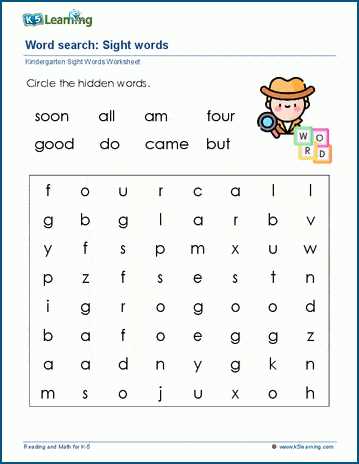
Limit the grid size to 6×6 or 8×8 cells so young learners can scan letters without frustration. Children aged 4–6 process visual patterns slowly, and compact layouts reduce cognitive load. Use uppercase characters only, because mixed case often confuses early readers who are still mastering letter recognition.
Choose short vocabulary containing three to five letters. Terms such as “cat,” “sun,” or “hat” allow quick success and reinforce phonics skills. Place hidden terms horizontally or vertically at first; diagonal placement should be introduced later, once pupils show confidence. Avoid backward placement during initial stages, since it increases error rates and slows engagement.
Spacing between letters should remain generous–at least 18–24 pt when printed on standard A4 sheets. Crowded typography makes tracking difficult and may cause children to skip lines. A clean sans-serif typeface such as Arial or Verdana improves readability compared with decorative fonts. Keep line thickness light so the grid stays clear rather than visually heavy.
Theme selection works best when tied to familiar topics: animals, colors, family members, classroom objects. Relevance boosts attention span and supports vocabulary retention. Limit each puzzle to 5–8 hidden terms; exceeding this range often leads to fatigue. Pair each term with a small illustration next to the grid to support emerging readers who rely on visual cues.
Test each puzzle with actual preschool learners and track completion time. If most children finish within 5–7 minutes with minimal help, the difficulty level fits the age group. Frequent erasing, random guessing, or abandoned sheets signal that the layout or vocabulary needs simplification.