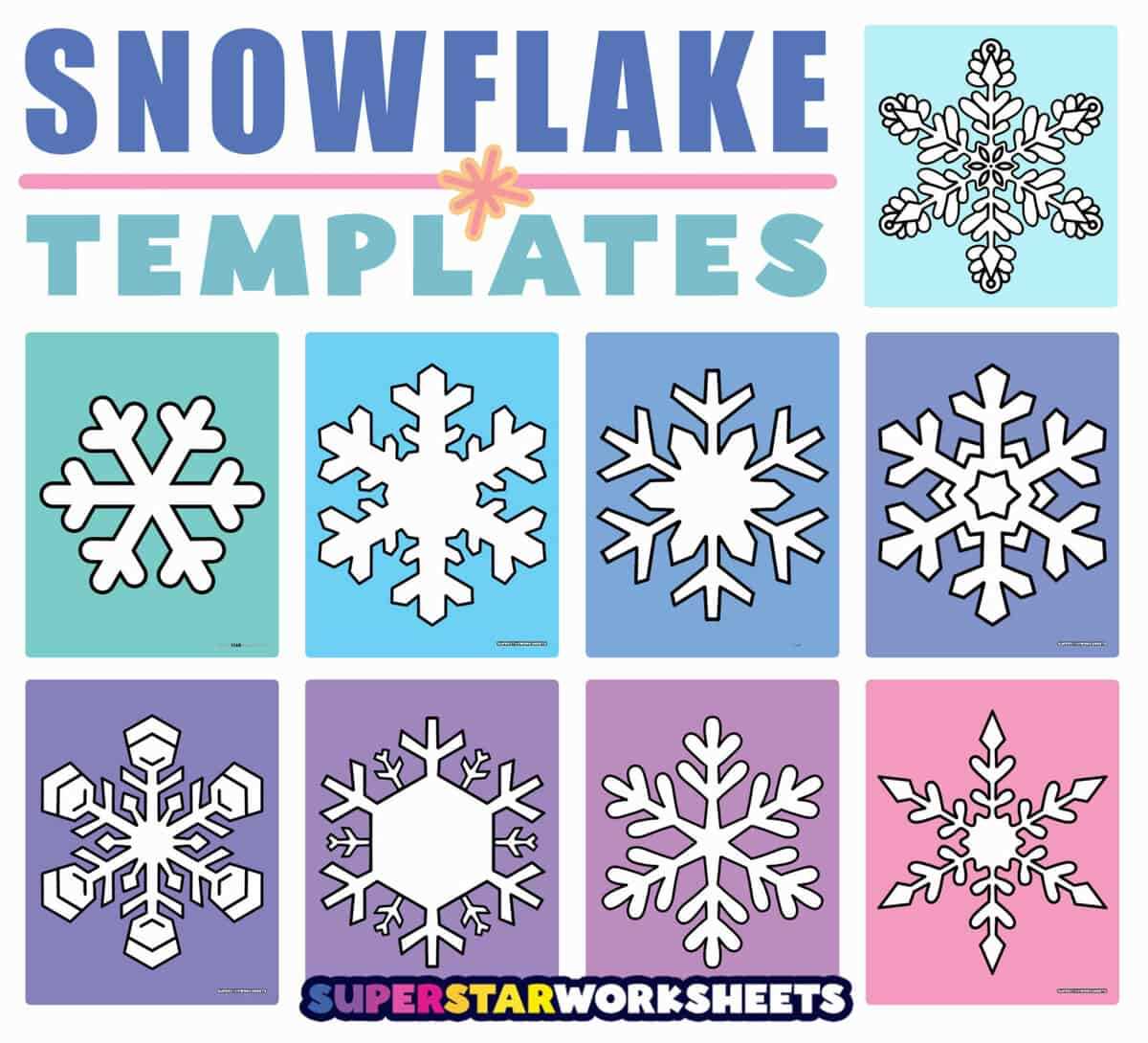
To create perfect paper decorations, choose a design that suits your skill level. For beginners, start with simple, symmetrical patterns that are easy to cut. You can find a wide variety of designs that range from basic shapes to more intricate patterns.
Make sure to select a design that fits your paper size. If you are working with standard letter-size paper, find templates that match this format to avoid resizing. To ensure clean cuts, use a sharp pair of scissors or a craft knife, which will help you get the most precise results.
If you’re planning on using these cutouts for a large display, consider scaling up the pattern to fill a larger space. Templates are often available in both small and large versions, and printing them on different paper types can add texture and depth to your crafts.
Creating Quick and Simple Paper Cut Designs
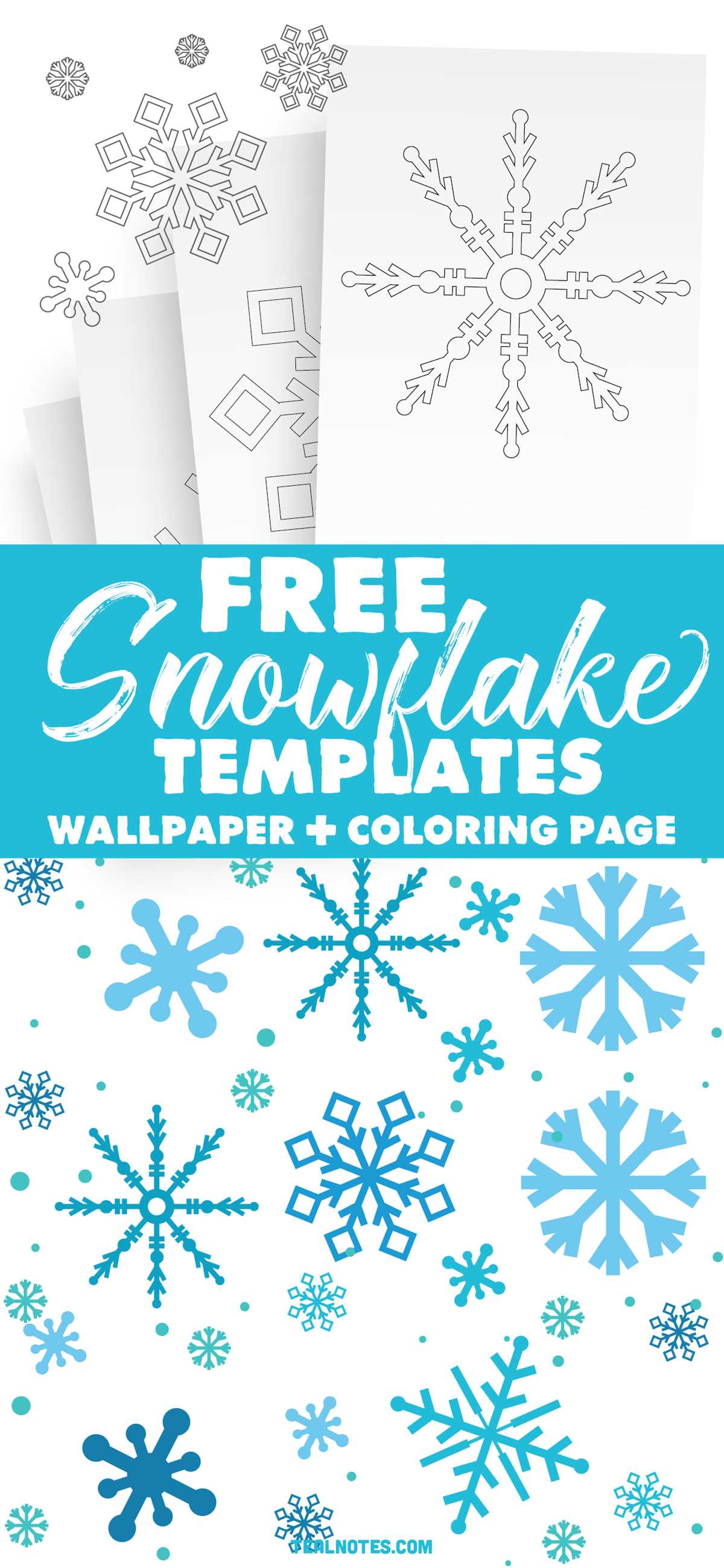
Choose simple, geometric patterns for straightforward crafting. Focus on symmetrical shapes that are easy to replicate and cut without too much detail. These patterns are ideal for beginners, allowing for quick and precise results.
Use regular printer paper for basic designs or thicker card stock for a more durable finished product. Print the pattern at its original size to avoid distortion. Cutting along clean lines with sharp scissors ensures neat and tidy edges, enhancing the final look.
For larger decorations, print multiple smaller designs and arrange them into a display. This method offers flexibility in creating larger visuals without needing an intricate single piece. It’s a great way to decorate a space with minimal effort but maximum effect.
How to Choose the Best Snowflake Design for Your Craft
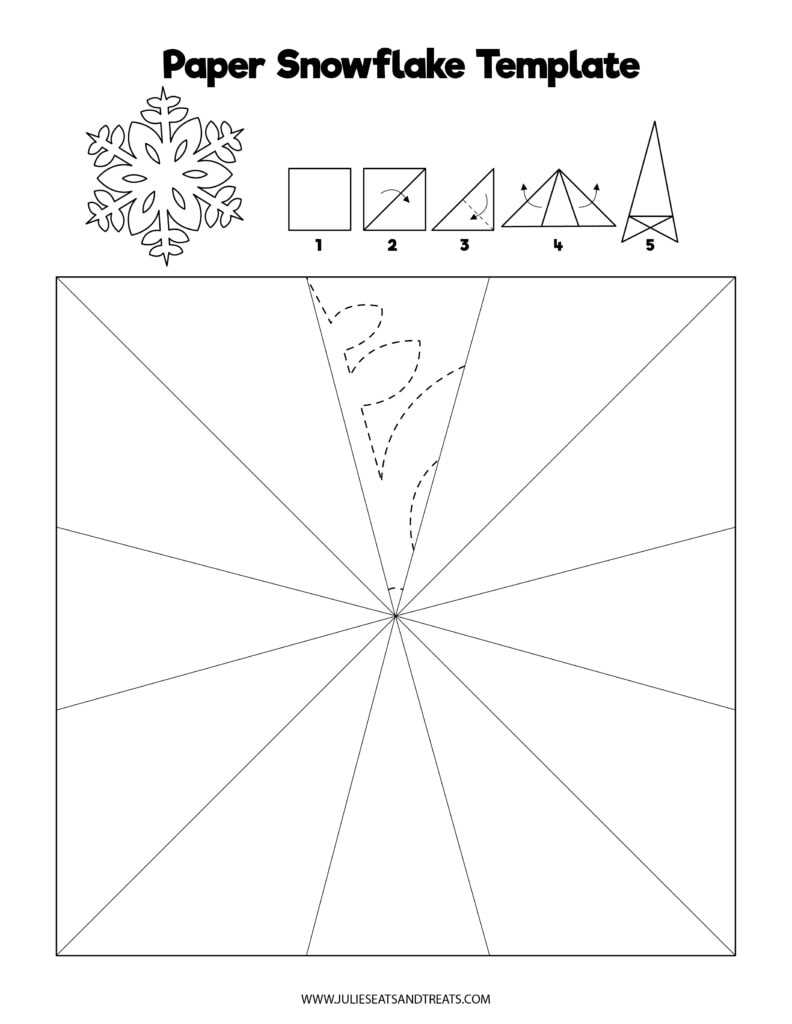
To begin, identify the level of difficulty you’re comfortable with. For simpler projects, go for designs that have fewer intricate sections. These are ideal for quick, low-effort crafts and beginners. If you have more time and want a detailed, intricate outcome, opt for patterns with many layers or sharp cuts.
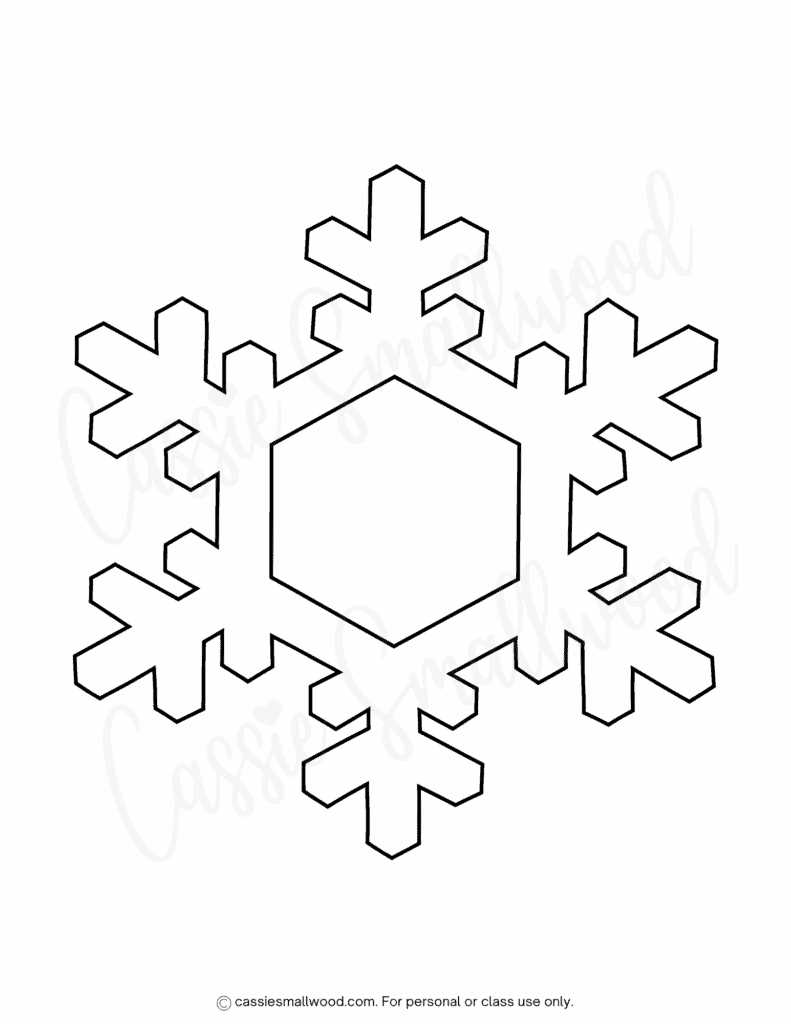
Next, think about the project’s intended size. Small patterns are perfect for ornaments, greeting cards, or small decorations, while larger ones are better suited for windows, walls, or large displays. Measure your available space or the item you want to decorate before choosing the scale.
Material is a key factor in selecting a design. Thicker paper or cardstock is preferable for intricate designs, as it holds up better under repeated cuts. If you’re working with a simple design or want a lighter touch, thinner paper is sufficient and makes cutting easier.
Consider the style you wish to achieve. Are you aiming for a more traditional or contemporary look? Geometric patterns give a clean, modern feel, while more organic, freeform designs can evoke a classic, whimsical vibe. Choose a design that aligns with the overall aesthetic of your space or project.
Also, think about how the design will interact with colors. Some patterns may look best with bright, contrasting colors, while others benefit from a more neutral palette. If you plan to incorporate the design into a larger decorative scheme, consider how it will complement your existing color choices.
Another factor to consider is versatility. Some designs can be adapted for multiple purposes–turn them into wall hangings, cards, or even gift wrapping embellishments. Make sure the pattern you choose can be applied to various projects if you want more flexibility.
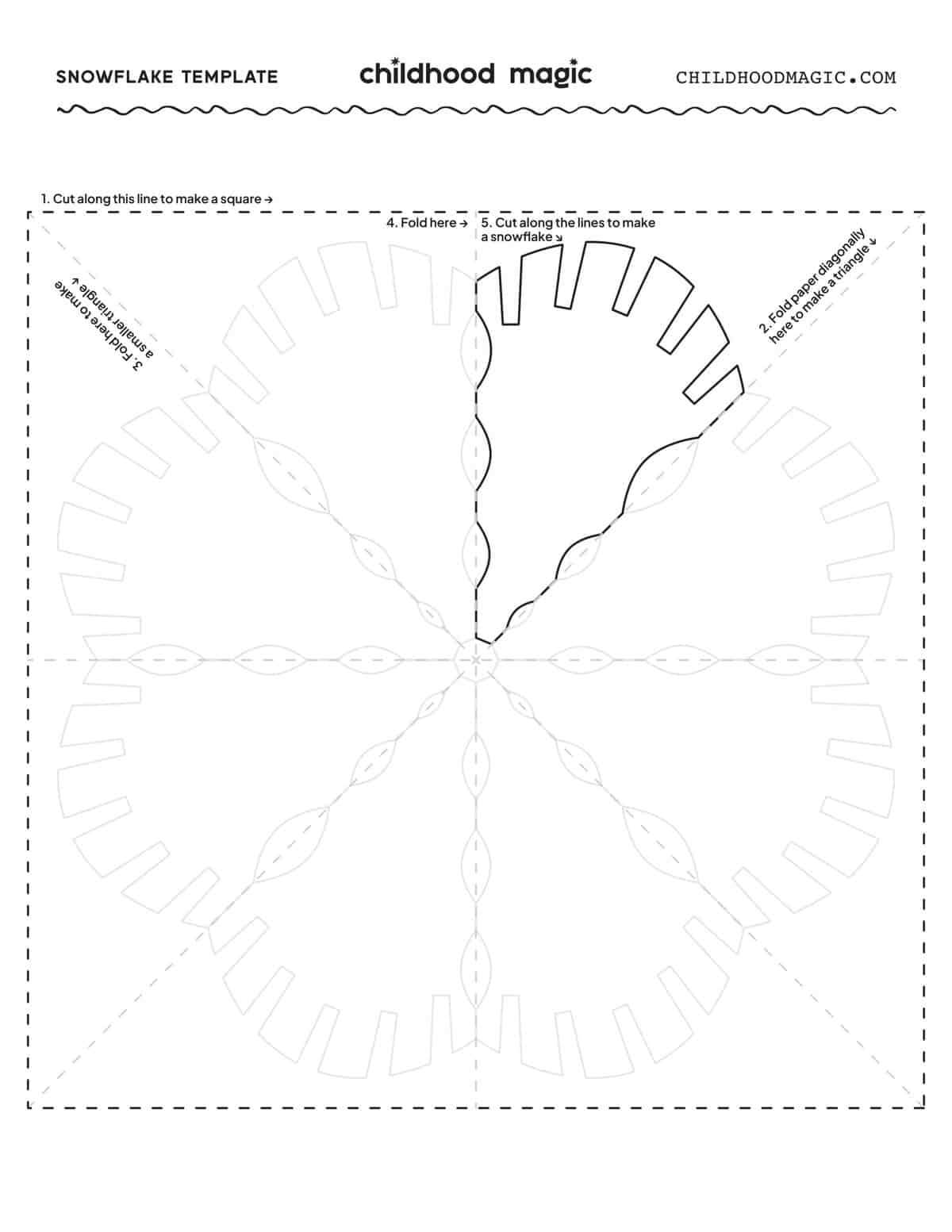
Lastly, ensure the design you pick is scalable. Whether you want to enlarge or reduce the size, check that the pattern maintains its clarity and details when adjusted. Some patterns may lose their impact when resized, so choose one that keeps its integrity across different dimensions.