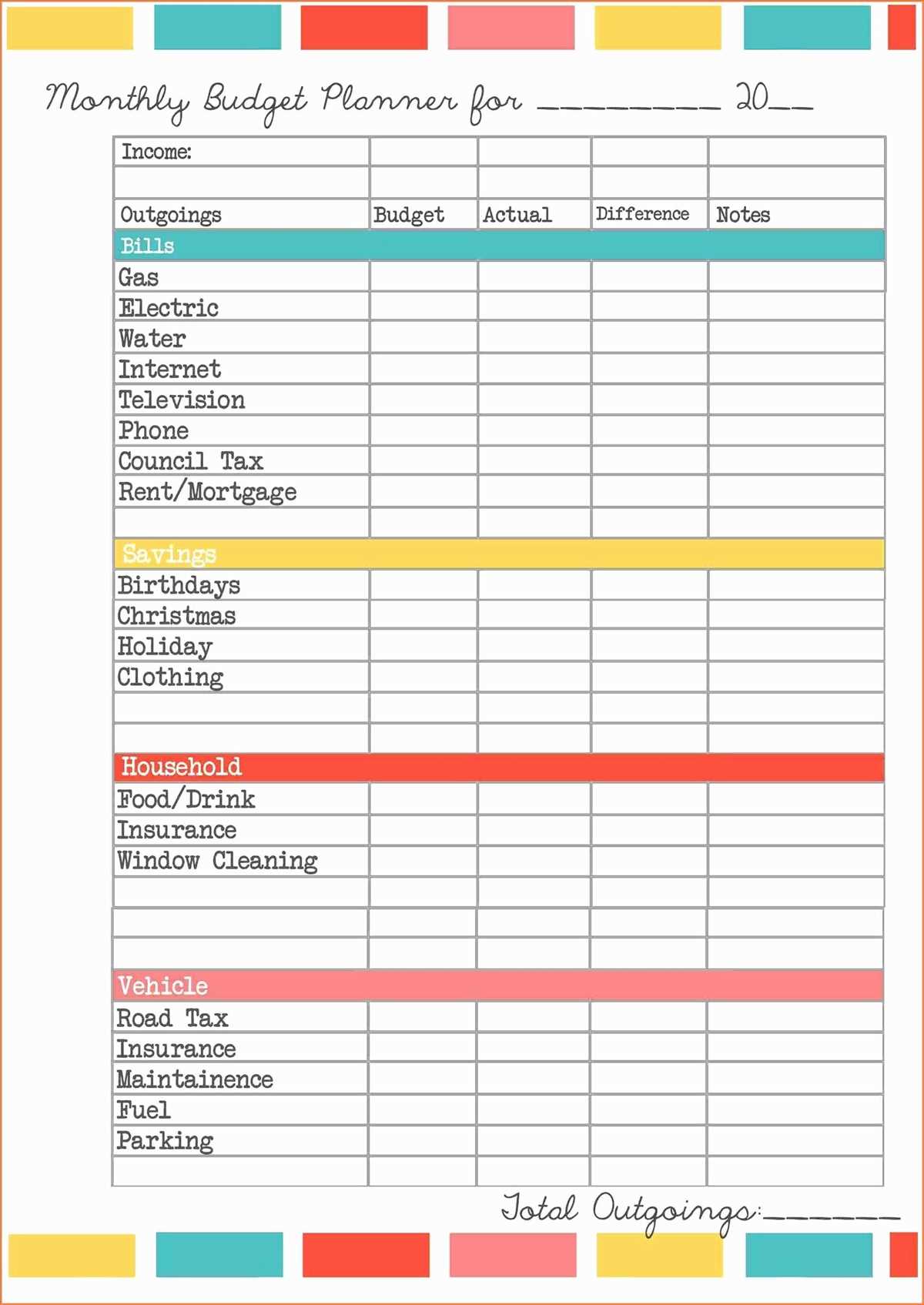
Start by organizing your financial details in a clear, easy-to-follow format. Use a template that breaks down different sources of revenue and outgoing costs. This will help you monitor your cash flow, pinpoint areas for saving, and track where your money is going each month.
Divide your records into categories such as product sales, services rendered, overhead, and miscellaneous costs. Keep track of each category regularly to avoid errors and ensure your records are up to date. This method provides transparency and allows you to make informed decisions based on real-time data.
Make sure to include columns that account for due dates, payment methods, and any taxes. By doing this, you’ll be able to generate detailed reports at any time, giving you the insight needed to adjust strategies or plan for future growth.
Managing Financial Records with a Simple Template
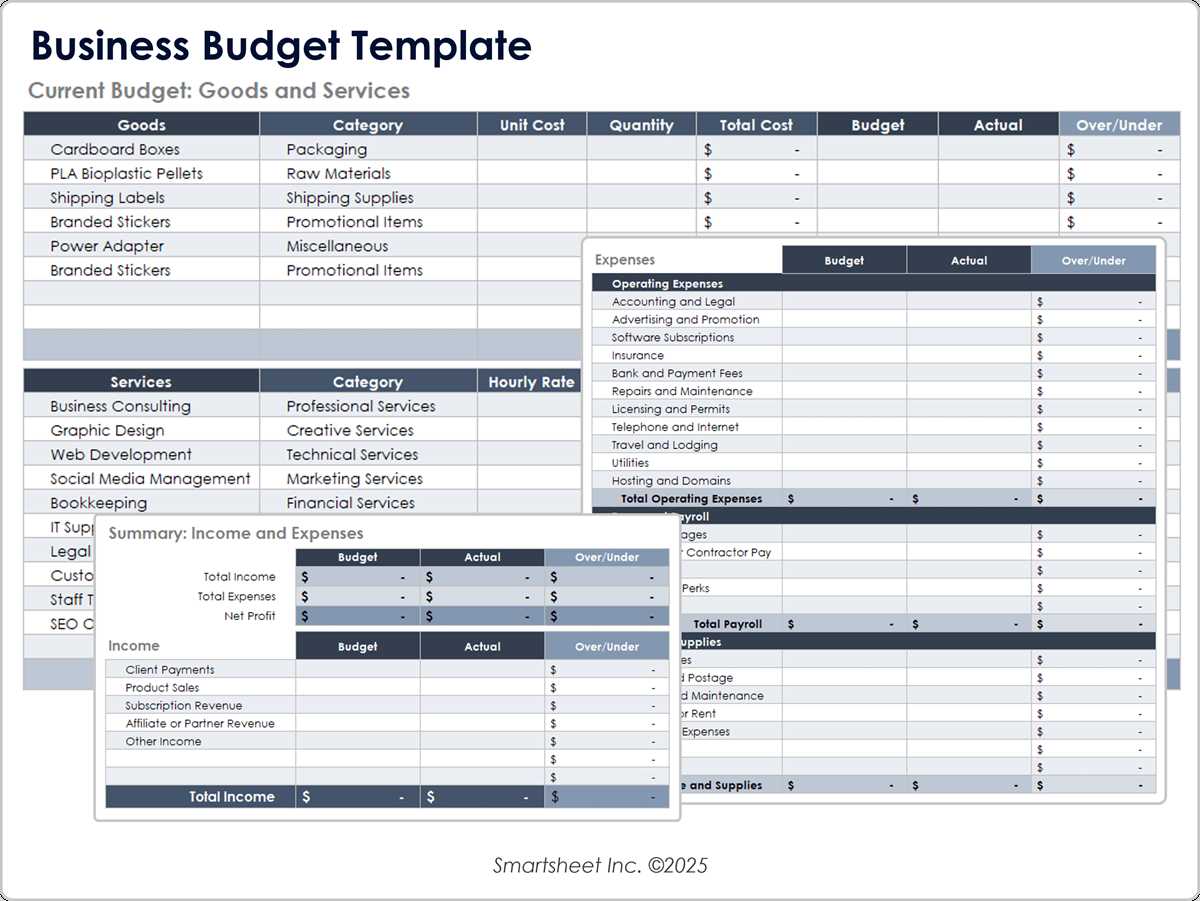
Begin by structuring your document with clear headers for each section. Break down your financial data into distinct categories like sales revenue, operational costs, and investment returns. This organization will make it easier to track performance and identify areas needing attention.
Use columns to list the date, description, amount, and payment method for each transaction. This format ensures you have all necessary details at a glance, minimizing the chance of errors and making it simpler to reconcile with bank statements.
Incorporate formulas to automatically calculate totals for each category. This reduces manual effort and helps you track how well each area of your financial flow is performing. Use basic arithmetic functions to sum rows for daily, weekly, or monthly reporting.
Update the document regularly to maintain an accurate record. Set a schedule to input data, such as once a week or after every significant transaction. This routine keeps your financial picture current and prevents overwhelm at tax time or during audits.
Consider adding a column to track overdue payments or accounts receivable. This will give you visibility into outstanding balances, helping you follow up with clients or customers and stay on top of pending funds.
Finally, periodically review the entire file to check for discrepancies or trends. This will help you refine your process over time and understand how different factors influence your financial outcomes. It’s important to stay proactive to ensure smooth operations and steady growth.
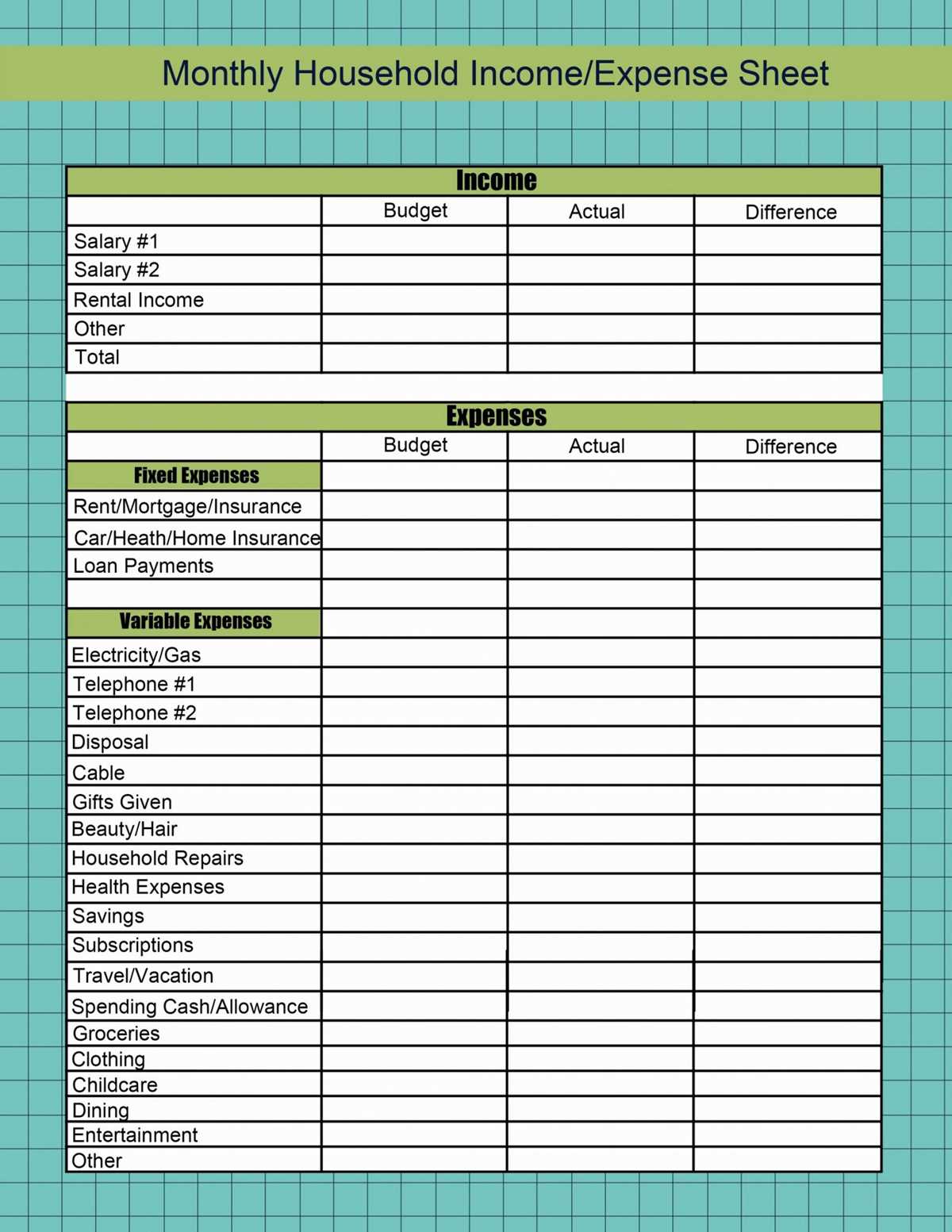
How to Customize a Spreadsheet for Your Business Needs
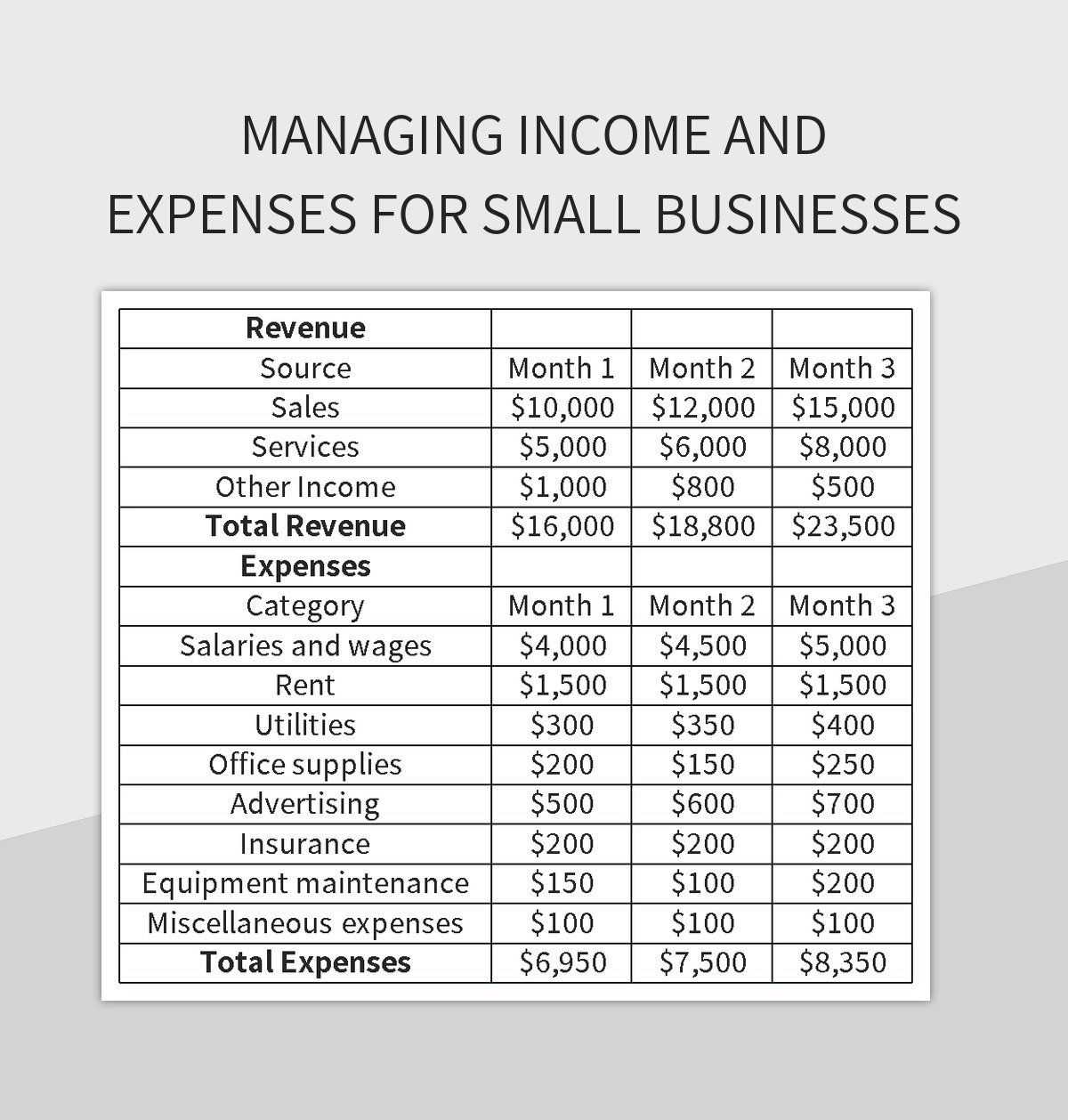
Start by identifying the categories that are most relevant to your operations. For instance, if your revenue streams come from multiple services, include separate sections for each one. Tailor the headings to match the products or services you offer, such as “Product Sales,” “Consulting Fees,” or “Recurring Payments.” This will ensure that you can track income accurately.
Adjust the columns to reflect the payment methods you use. If you often receive payments via check, credit card, or digital transfers, add columns for each method. This will allow you to quickly see how much you’ve earned from each payment source and assess which channels are most effective.
Incorporate sections for both fixed and variable costs. Fixed costs could include rent or subscriptions, while variable costs would cover raw materials or hourly wages. By clearly separating these, you can easily calculate your profit margins and identify areas where cost-cutting may be necessary.
For more advanced tracking, add a column for tax deductions or savings. If your business qualifies for specific deductions, having a dedicated space will help you stay organized and ensure that you don’t overlook any savings opportunities. Track tax-related details alongside your revenue to maintain a clear financial overview.
Finally, personalize your document with color coding or conditional formatting. Highlight overdue payments in red or use green to mark completed transactions. This simple visual aid can make it easier to review your records at a glance and spot any discrepancies or outstanding issues.