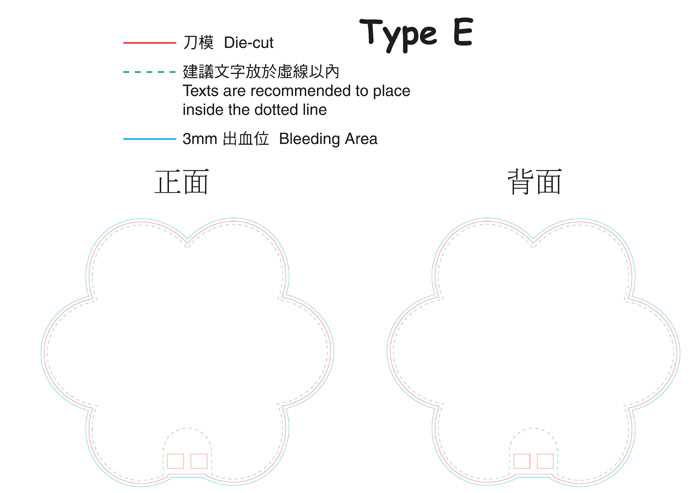
Choose a pre-sized handheld cooling craft layout in A4 or US Letter format with fold guides set at 1.5–2 cm intervals to ensure symmetrical pleats and stable airflow. For durability, use 200–250 gsm cardstock; lighter 120–160 gsm sheets bend easily but lose shape after 20–30 openings. Set print scaling to 100% and disable “fit to page” to keep the radius consistent (commonly 18–21 cm for standard semicircle designs). Add a 3 mm bleed if your design reaches the edge to prevent white borders after trimming.
For classroom or workshop use, select black-and-white line art versions to reduce ink consumption by up to 60% compared to full-color graphics. Provide pre-marked pivot points 5–8 mm from the base edge for brad fasteners; metal brads with a 12 mm head hold better than plastic pins under repeated motion. If attaching wooden sticks, apply a 1 cm glue strip with PVA adhesive and press under weight for at least 10 minutes to prevent warping.
For events such as weddings or outdoor festivals, customize the arc panel with vector-based graphics (SVG or PDF) at 300 DPI to maintain sharp typography. Keep text at least 12 mm above the fold line to avoid distortion across pleats. Test one prototype before batch production: open and close it 50 times to check crease memory, and measure the spread angle–90–120° offers a balance between airflow and structural tension. Store finished pieces flat in stacks of no more than 25 units to avoid edge curl.
Fan Template Printable Layouts for DIY Paper and Cardstock Fans
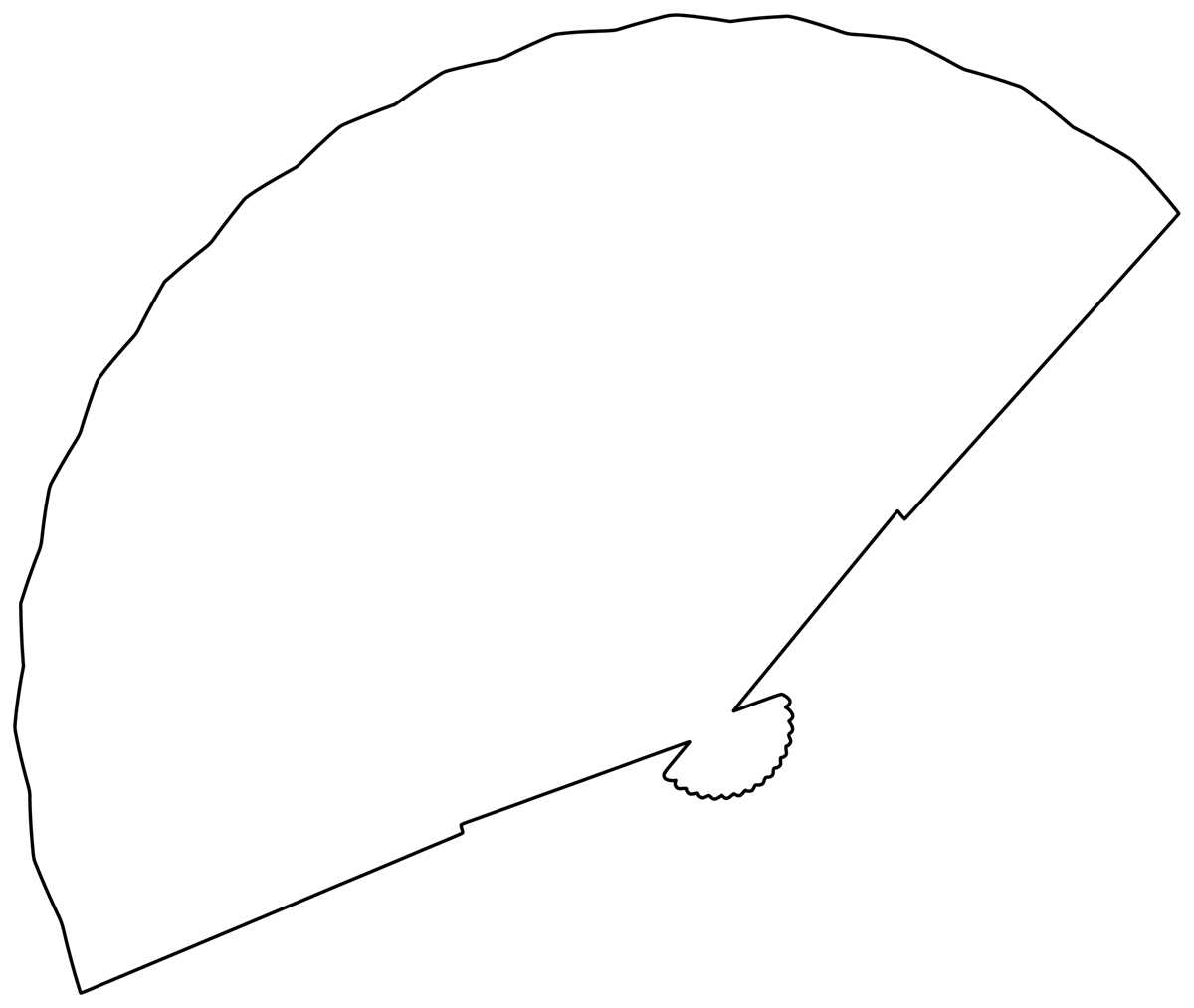
Use an A4 or US Letter foldable semicircle layout with 12–16 equal segments (15°–12.5° each) to achieve a balanced spread and smooth arc when folded; this proportion prevents tearing along creases and keeps the radius consistent at 10–14 cm for handheld use. For thicker stock (200–250 gsm), reduce the segment count to 10–12 to avoid bulk at the pivot point, and mark a 3–5 mm glue tab along one edge to secure the final fold without distorting the curve.
For accordion-style designs, select a rectangular sheet with a 3:1 width-to-height ratio (for example, 30 × 10 cm) and divide it into parallel panels of 1.5–2 cm each. Score fold lines lightly with a blunt edge before creasing to maintain sharp ridges. Reinforce both ends with 2 cm strips of heavier board to create stable handles; attach with double-sided adhesive rather than liquid glue to prevent warping. If adding a central rivet, punch a 3 mm hole exactly 8–10 mm above the base edge to keep the spread symmetrical.
- Paper weight 120–160 gsm for lightweight handheld models
- Board 200–300 gsm for rigid display pieces
- Bleed margin 3 mm for edge-to-edge artwork
- Safe zone 5 mm from trim line to protect text and patterns
- Matte coating for inkjet output to reduce smudging
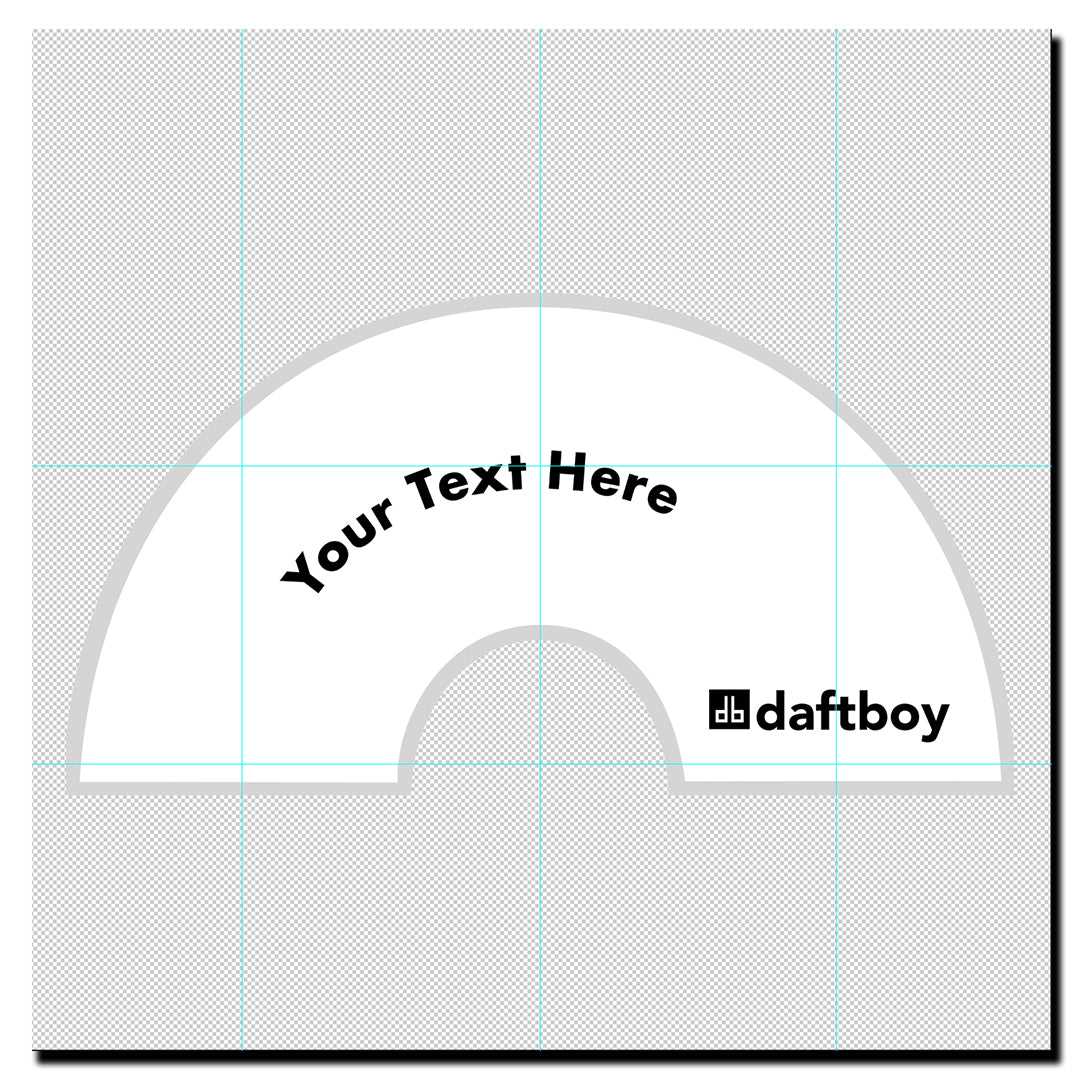
For decorative radial patterns, build a circular layout in vector format with a defined center anchor; align graphics using polar guides so motifs repeat precisely across each segment. When printing mirrored halves for larger builds (radius 18–22 cm), overlap sections by 5 mm and join on the backside with a reinforcing strip. Store folded pieces under light pressure for 12 hours before first use to stabilize creases and maintain consistent opening tension.
How to Choose the Correct Fan Template Size and Paper Weight for Handheld or Wall-Mounted Use
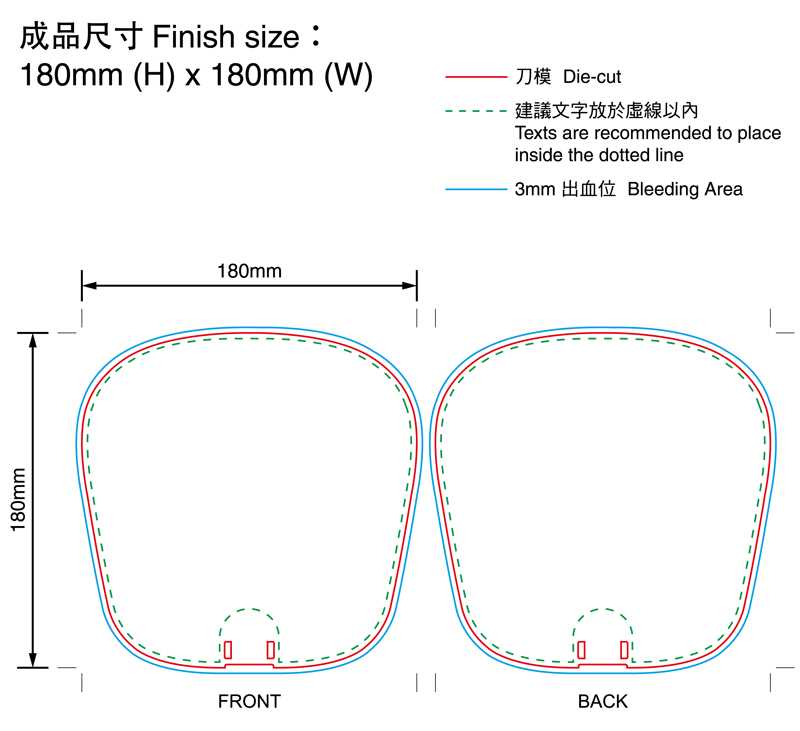
Select a layout width of 180–220 mm and a radius of 120–150 mm for handheld pieces; this range fits comfortably in one hand and folds without cracking at the pivot point. For wall display, increase the diameter to 300–450 mm to maintain visual impact from 1.5–3 meters away. Keep the central hole between 3–5 mm for small rivets or brads; for large decorative versions, use 6–8 mm hardware to prevent tearing under gravity.
Use 200–250 gsm cardstock for handheld construction. Sheets below 180 gsm bend too easily and lose shape after 20–30 opening cycles, while stock above 300 gsm becomes difficult to crease cleanly without scoring tools. If frequent opening is expected, score fold lines at 0.5–0.7 mm depth with a blunt blade to prevent fiber splitting.
For wall-mounted decoration, choose 250–350 gsm material or lightweight poster board around 0.3–0.5 mm thick. Larger radial designs over 400 mm benefit from double-layer assembly: glue two mirrored segments with PVA adhesive applied at 80–100 g/m² spread rate. This reduces edge curl and keeps the arc uniform.
Paper grain direction affects durability. Align fold lines parallel to the grain to avoid surface cracking, especially on coated sheets. Test by gently bending a corner strip; resistance indicates cross-grain alignment and higher fracture risk. For glossy finishes, add a matte laminate film of 25–30 microns only on one side to limit added stiffness.
Account for printer limits before choosing dimensions. Standard home devices handle A4 (210 × 297 mm) or US Letter (8.5 × 11 in); large decorative arcs must be tiled across 2–4 sheets with 5–7 mm overlap margins for clean alignment. Set print scaling to 100% and disable “fit to page” to preserve segment accuracy; a 3% scaling error can distort the arc by more than 10 mm on a 400 mm span.
Match fastening method to weight. For handheld builds under 220 mm, 4 mm metal brads with 8–10 mm legs hold 8–12 layers securely. For wall display exceeding 300 mm, use a 10–12 mm eyelet plus nylon thread or a small screw hook rated for 0.5–1 kg. Test assembly by opening and closing 15 times or hanging for 24 hours; any deformation signals insufficient thickness or weak central reinforcement.