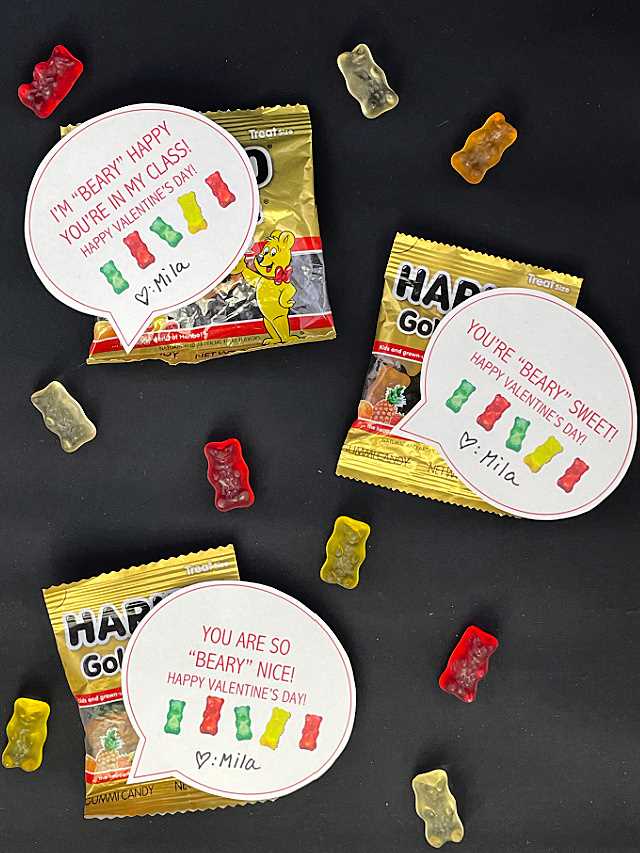
To create memorable gifts or decorations, start with a template designed for quick assembly. Whether you’re looking to craft something simple for a loved one or create an eye-catching piece for a special event, these designs offer a great starting point. Use your printer to reproduce detailed shapes and patterns on sturdy paper or cardstock, then bring them to life with markers, ribbons, and other embellishments.
Personalizing the pieces is straightforward. Choose colors that fit the occasion–reds, pinks, and whites are perfect for this time of year, but don’t be afraid to experiment with metallics or bold patterns. Adding your unique touch, like handwritten messages or small doodles, will make each piece stand out as a thoughtful gesture.
If you’re hosting an event, try using these templates for place cards, tags, or mini banners. Print as many copies as needed, and easily assemble them to fit the theme of your party or celebration. These creations also make great gifts when bundled together with a handwritten note or a small treat.
Fun and Creative Activities for Kids: Simple Valentine’s Day Ideas
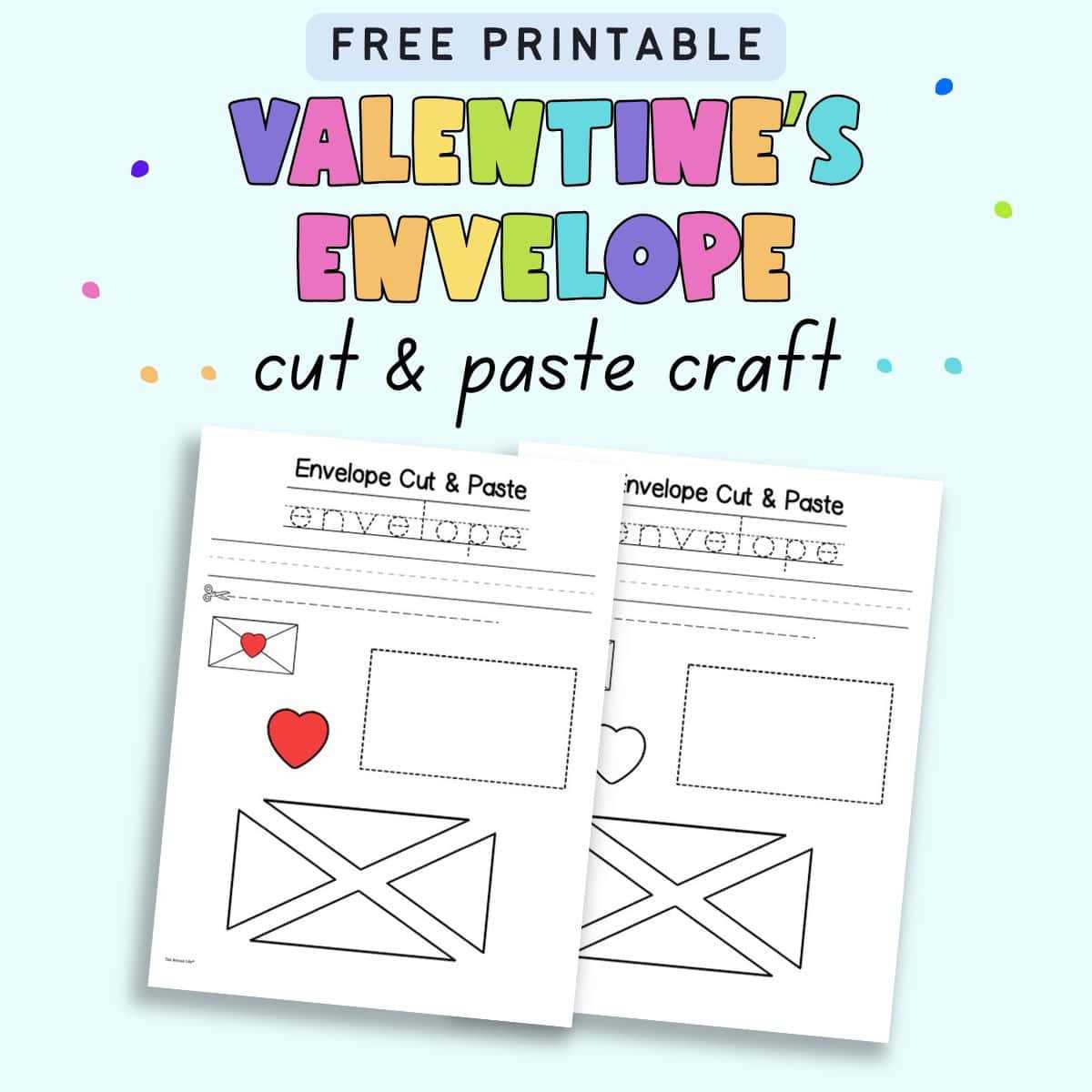
For a personalized touch, kids can use heart-shaped templates to design their own messages. Start with a basic outline, allowing them to cut and decorate with their choice of colors and patterns. This method not only encourages creativity but also lets them express their feelings in a hands-on way.
If you’re looking for something easy and quick, try using pre-designed symbols like cupids or roses. These can be cut out and turned into decorative pieces for cards or wall hangings. The simplicity of the design ensures minimal effort, with impressive results.
Another great idea is to create greeting cards by folding paper in half. Kids can draw their favorite shapes or write short notes on the inside. With minimal materials, these cards become meaningful gifts that kids will love giving away.
To add a bit of sparkle, consider using stickers or glitter. Adding these elements onto pre-drawn objects like hearts or flowers can turn a basic piece into something special. The shimmering effect will catch the light, making the final product even more appealing.
Another quick project is to cut out paper hearts of various sizes. Once cut, these can be layered to form a unique pattern, creating a fun 3D effect. Kids can experiment with different textures or add other decorations, like small buttons or sequins, to enhance their design.
For a bit of structure, set up a coloring station with themed sheets. Provide crayons, markers, and other fun tools, and let kids fill in their designs however they like. You can offer suggestions, such as using complementary colors for a more polished look, but ultimately, let them take control of their creativity.
Lastly, creating bookmarks in a heart or flower shape adds a fun, functional twist to any project. These can be laminated for durability and serve as thoughtful gifts. Customize each one with a short, sweet message, and they become personal treasures for friends or family members.
How to Choose the Best Crafts for Kids on Valentine’s Day
Choose designs that match the age group of the children. For younger kids, opt for simpler projects with bold shapes and easy-to-understand instructions. Older children may enjoy activities that require a bit more effort, like cutting intricate designs or assembling multiple pieces.
Focus on activities that enhance fine motor skills. Crafts that require folding, cutting, or gluing can be both fun and beneficial in helping kids develop hand-eye coordination and dexterity.
Consider the materials needed for each activity. Select options that use common supplies, such as paper, scissors, or markers. Avoid projects that require too many specialty items, as this can make preparation harder and increase costs.
Think about the mess factor. Some projects involve glitter or paints, which can create a cleanup challenge. If you’re working with a group, pick options that minimize mess, such as using stickers or pre-colored designs.
Incorporate themes that appeal to children’s interests. Look for designs that feature familiar characters or symbols like hearts, animals, or nature elements. This can make the activity more engaging and allow kids to express their creativity.
Ensure that the steps are easy to follow. Instructions should be clear and direct, so children can understand the process with minimal assistance. For more complex designs, consider providing step-by-step guidance or visuals.
Lastly, choose activities that allow for personal creativity. Look for templates where kids can add their own touches, like coloring, decorating, or arranging pieces in different ways. This will help them feel proud of their finished product.