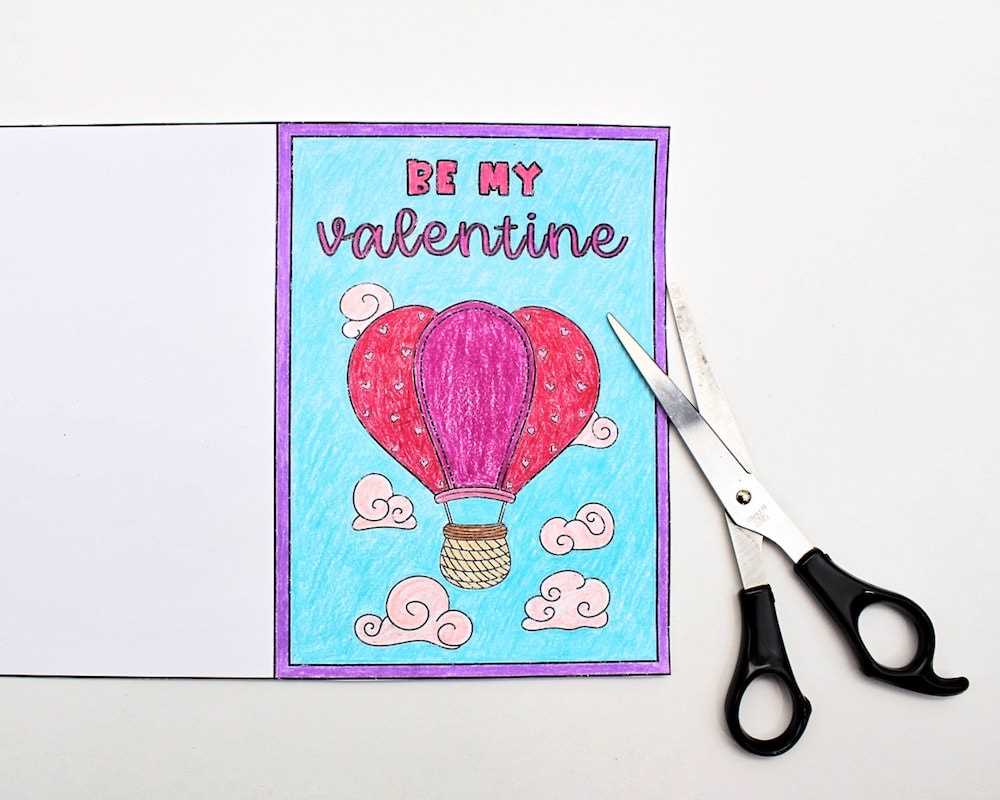
Start by choosing high-quality designs that are easy to print and cut. Ensure that the dimensions are correct, especially if you plan to fold them into a neat format. A good guide is to check the scale on your printer settings before starting the printing process to avoid scaling issues. Once printed, use sharp scissors for clean edges and avoid fraying the paper.
Next, personalize the templates by adding your own text or decorative elements. There are several online tools that let you modify the template directly on your computer, enabling you to add custom messages, images, or even choose different fonts. Adding a personal touch like a handwritten note on the inside can further elevate the charm of the greeting.
Finally, consider the material of the paper. Opt for thicker paper or cardstock for a more durable and professional feel. This will not only help the final product look more polished but will also ensure that it holds its shape when folded. A thicker base can also make it easier to write or draw on without the ink bleeding through.
Guide to Crafting Custom Greeting Designs
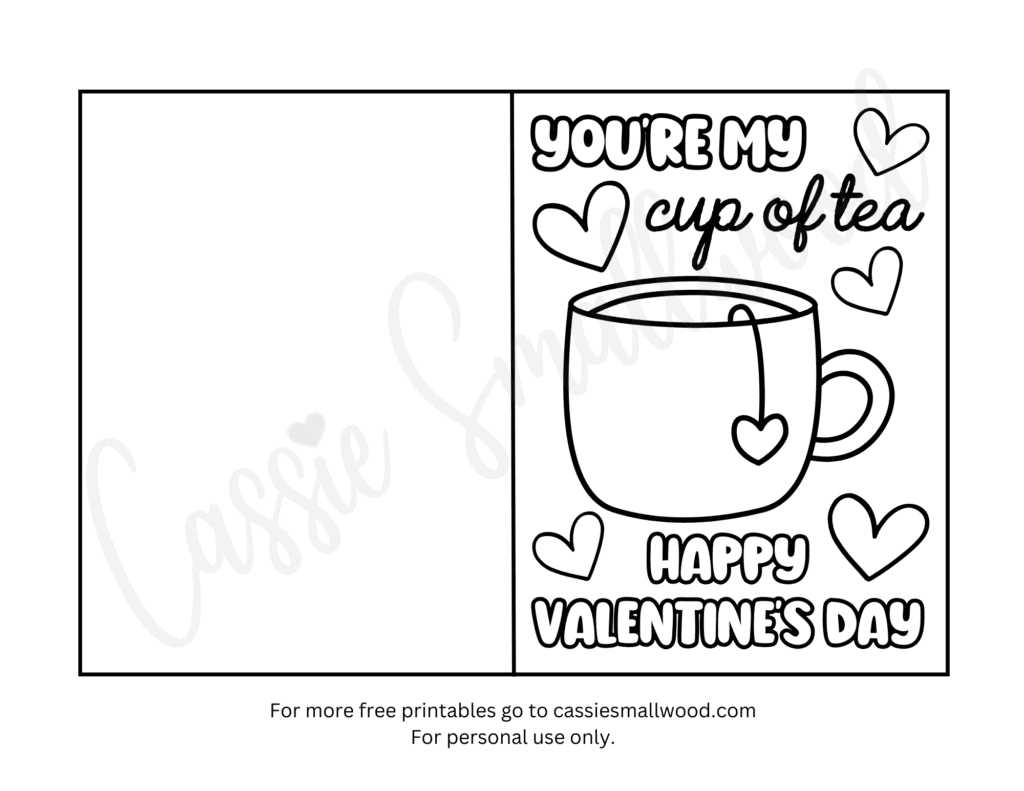
Choose a simple, clean design to ensure that the final result looks polished after folding. Opt for templates that offer basic lines and shapes so you can add personal messages or embellishments later without overwhelming the layout. A minimalistic approach is ideal for easy modification.
Before you begin folding, double-check that the design fits your printer’s paper size. Most designs are created to fit standard letter-size sheets (8.5″ x 11″), but confirm the layout matches this format. If necessary, adjust the size in the printer settings to avoid distortion.
Use a ruler and a bone folder or similar tool to crease the fold lines accurately. This helps ensure sharp, clean folds and prevents the paper from bending unevenly. It’s also important to pre-score the folding lines lightly before the final crease to prevent paper from tearing or wrinkling.
Lastly, consider adding small decorative touches after folding. Stickers, stamps, or even hand-drawn elements can make the piece feel more unique and special. Personal touches like these can make your creation stand out, turning a simple folded sheet into something memorable.
How to Customize Greeting Cards for a Personal Touch
Start by adding your own messages inside the design. Personalize the text with handwritten notes or type your favorite quote. Choose a font that fits the theme and your personality, or even mix multiple fonts for a more creative look.
Use embellishments like decorative borders or unique illustrations to make the piece feel more personal. You can add doodles, hearts, or tiny motifs that represent the recipient’s favorite things. Small details make a significant difference and give it an extra layer of thoughtfulness.
For a tactile effect, try adding texture with materials like ribbon, lace, or glitter. These elements can bring depth to your creation and make it stand out. You can also include photos or mementos to make the card feel even more sentimental and meaningful.