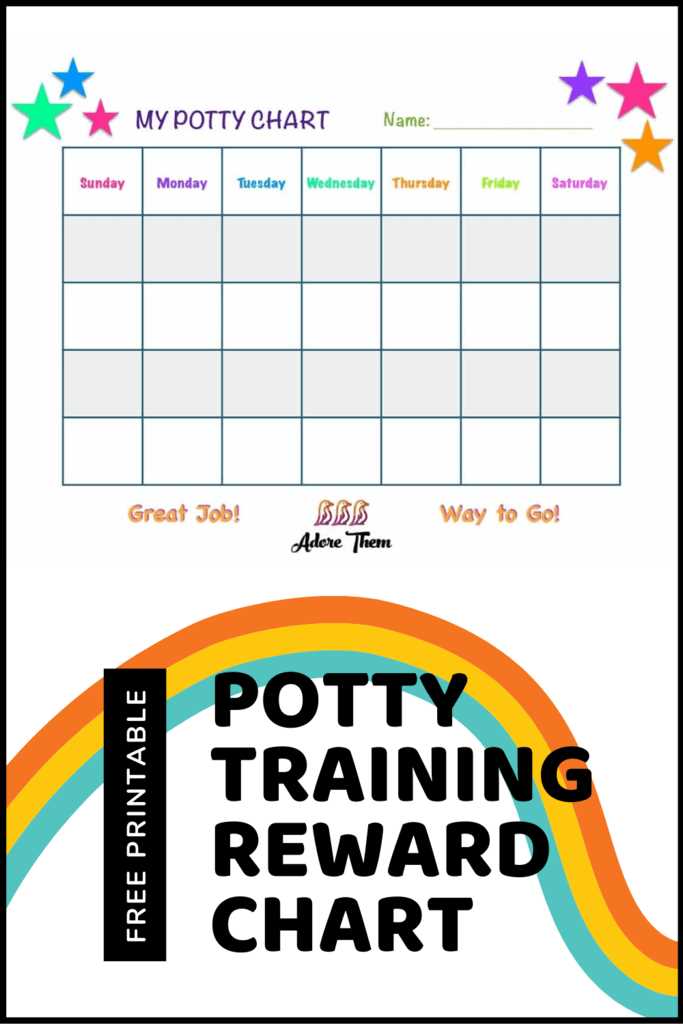
Use charts and reward systems to build consistency. Start by implementing visual tracking tools such as progress charts and star systems to celebrate every achievement. These tools are designed to reinforce positive behavior, making the transition from diapers to using the toilet smoother. Create a simple checklist or visual chart with easy-to-understand symbols to motivate your child to reach milestones, such as using the bathroom without reminders. Place the chart in a visible spot, such as the bathroom or bedroom, for regular reinforcement.
Find the right resources based on your child’s age. As every child develops at a different pace, it’s important to select materials that align with their current understanding and skill level. For younger children, look for bright, colorful visuals or interactive sheets that involve fun characters. For older toddlers or those who are more advanced in their learning, choose resources that offer more structure, such as detailed checklists or reward systems that track specific goals like hand washing or flushing.
Print and organize your tools to stay on track. Once you’ve found the right materials, printing them and organizing them for easy access will make your process more streamlined. Use folders or binders to keep everything neat, making it easy for you to quickly grab a chart or reminder when necessary. You can also set up a folder with different levels of rewards or different activity sheets, allowing you to mix things up to keep your child engaged. Printing these resources and keeping them organized ensures that your training plan stays consistent and effective throughout the process.
Potty Training Printables
Use a daily bathroom chart with 10–15 small squares per day and let the child add a sticker after each successful toilet visit. Limit the chart to a 7-day period so progress is visible and measurable; most children aged 2.5–3.5 respond well to short tracking cycles. Include clear icons for sitting, washing hands, and flushing to reinforce the full routine rather than a single action.
Create a reward tracker that specifies exact goals, such as “5 dry mornings in a row” or “3 self-initiated bathroom requests in one day.” Avoid vague targets. A simple progress ladder with numbered steps from 1 to 10 helps the child see advancement toward a predefined reward like choosing a bedtime story or picking a snack. Keep rewards small and immediate; delayed incentives reduce motivation at this developmental stage.
Design visual cue cards that display each step of the bathroom sequence in order: walk to toilet, lower clothing, sit for up to 5 minutes, wipe, flush, wash hands for 20 seconds. Laminate the cards or place them in a plastic sleeve near the toilet at eye level. Use real photos of your bathroom setup rather than generic illustrations; children recognize familiar environments faster and follow instructions with fewer reminders.
Prepare a weekly accident log sheet divided into time blocks (morning, afternoon, evening) to identify patterns. If accidents cluster within 30 minutes after drinks, adjust fluid timing and schedule bathroom visits every 90 minutes. Data collected over 5–7 days often reveals predictable intervals, allowing you to shift from reactive cleanups to planned bathroom trips.
Include a dry-night calendar separate from daytime tracking. Mark each dry night with a bold symbol and record liquid intake after 6 p.m. alongside it. Many children achieve daytime control months before nighttime dryness; separating charts prevents frustration and sets realistic expectations based on biological readiness.
Provide a caregiver instruction sheet attached to the chart with exact phrasing for prompts such as “Tell me when you need the toilet” instead of asking repeated yes/no questions. Consistent wording across parents, grandparents, and daycare staff reduces confusion and speeds habit formation. Keep all sheets in a single binder stored in the bathroom so materials remain visible and used daily.
How to Use Reward Charts to Encourage Consistency
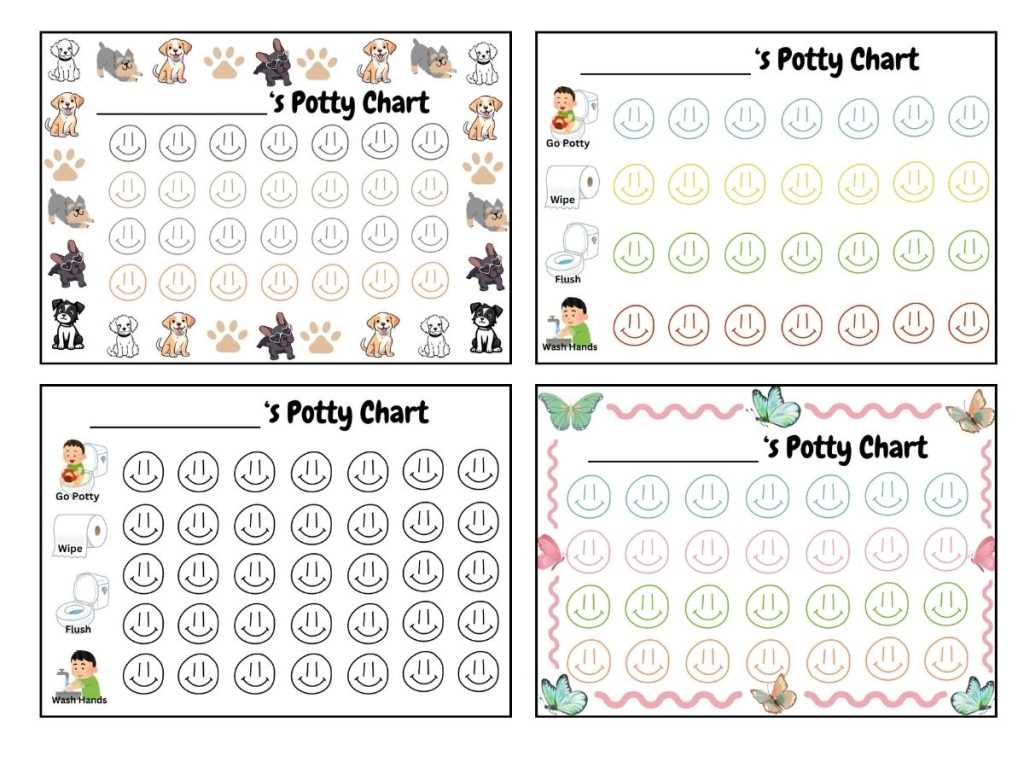
Create a simple chart with 7–10 spaces, each representing a milestone or accomplishment. After each successful bathroom visit, the child places a sticker on the chart. Use bright, fun stickers to keep the child engaged. Limit the chart to a week-long period to avoid overwhelming the child with too many steps at once.
Set specific goals for each chart. For example, offer a sticker after each visit, or set a goal like 5 successful attempts in one day for a reward. Avoid vague targets; clearly define what constitutes success. This keeps the child focused and encourages them to meet the set expectation rather than guessing what is required.
Incorporate a reward system tied to chart completion. For example, after earning all the stickers on a chart, the child can select a small toy, a special activity, or a favorite treat. Ensure the reward is appealing but not excessive. Too large a reward can overshadow the goal and reduce motivation over time.
For older children, introduce a points system. Each successful visit can earn a certain number of points. Once the child accumulates enough points, they can redeem them for a reward of their choice. This can help the child feel in control of their progress and allow for more flexibility in their achievements.
Consistency is key. Make sure to fill out the chart at the same time each day and review it together with the child. Celebrate progress, even if it’s small. The more consistent the tracking, the clearer the connection between effort and reward becomes, making it easier for the child to follow through each time.