Begin by focusing on whole, unprocessed foods when planning your next grocery trip. Stock your pantry with fresh vegetables, fruits, lean proteins, and healthy fats. This not only simplifies meal prep but ensures you’re fueling your body with the nutrients it needs. Make sure to prioritize seasonal produce for better taste and nutrition.
Before heading to the store, create a detailed plan based on your weekly meals. Include all necessary items, and categorize them by type: vegetables, meats, oils, nuts, and spices. Having a categorized list will streamline your shopping process, saving you time and reducing impulse buys. Also, don’t forget to check your kitchen inventory to avoid purchasing duplicates.
When shopping, focus on finding clean options, free of added sugars, preservatives, and other artificial ingredients. Choose products with minimal labels or opt for fresh cuts and whole ingredients. Using a shopping guide that reflects your dietary goals ensures that you’re consistently making healthy choices while maintaining a balanced approach to nutrition.
Shopping Guide and How to Use It
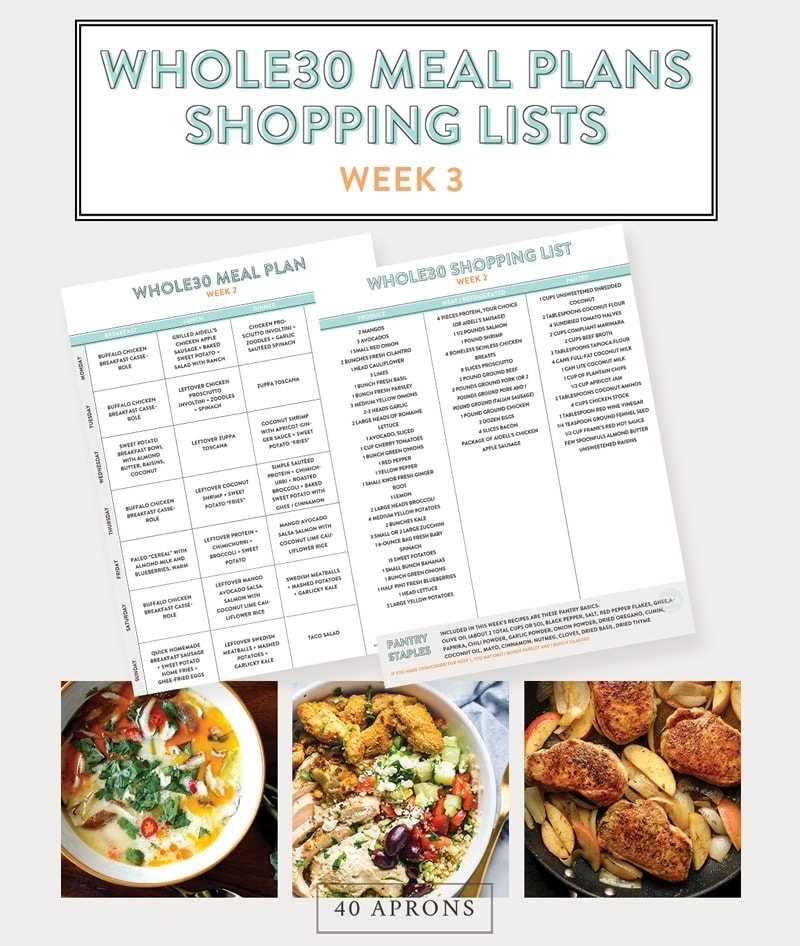
Start by categorizing your grocery purchases to make sure you stay on track. Organize your ingredients into groups such as vegetables, fruits, proteins, and pantry staples. This will allow for a more efficient shopping trip and help you avoid unnecessary items.
Plan your meals ahead of time and ensure that each one uses ingredients that are aligned with your dietary goals. Look for simple recipes that require only a few ingredients so you can minimize food waste and make cooking easier throughout the week.
When shopping, prioritize fresh produce, high-quality meats, and seafood. Try to buy organic when possible, particularly for items like leafy greens and berries that are often heavily sprayed with pesticides. Organic choices will ensure fewer chemicals in your food.
Don’t forget to stock up on healthy fats like olive oil, coconut oil, and avocado. These fats are key to providing energy and promoting satiety. Keep your kitchen stocked with these so you can quickly add them to meals without a second thought.
In addition to fresh food, make sure your pantry includes high-quality spices, herbs, and seasonings. Spices such as garlic, ginger, turmeric, and rosemary not only enhance the flavor of your meals but also offer health benefits. Avoid spice blends with added sugars or preservatives.
Once you’ve filled your cart with the right ingredients, it’s time to stick to your plan. Use the items you’ve purchased to create meals that fit within your dietary requirements. Meal prep is a great way to stay organized and avoid the temptation to eat off-plan foods when you’re pressed for time.
Finally, as you continue to follow your eating routine, keep track of your progress. Consider adjusting your shopping habits based on what you learn from your meal planning. Over time, you’ll fine-tune your choices to match your preferences and nutritional needs more closely.
How to Organize Your Grocery List for Success
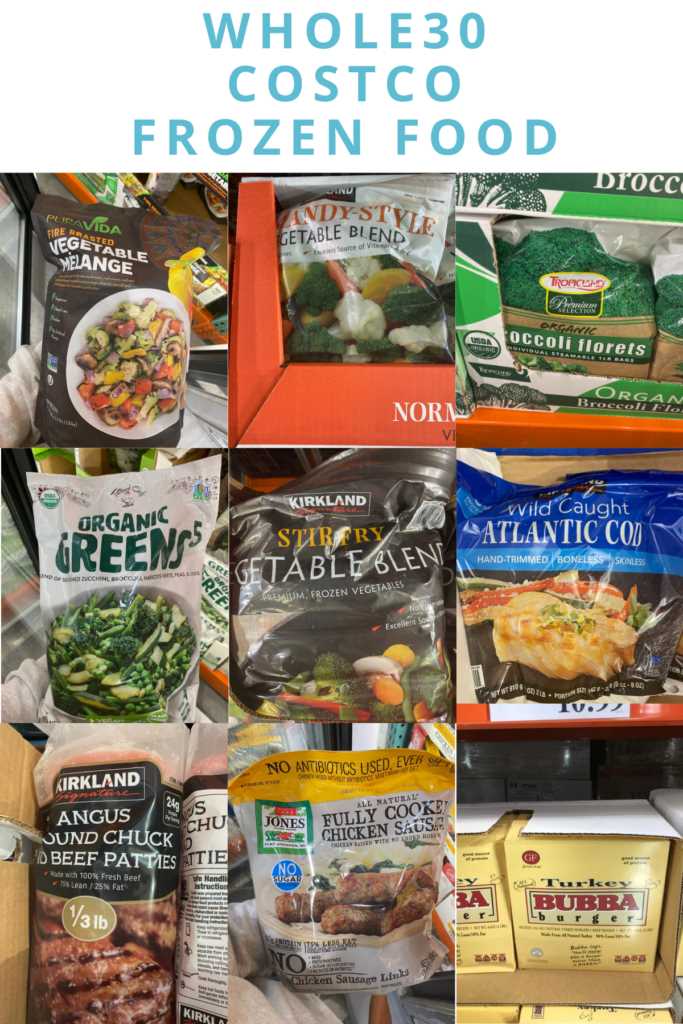
Start by dividing your food items into categories such as proteins, vegetables, fruits, and pantry staples. This will make your shopping trip more efficient and reduce the chances of forgetting key ingredients. Keeping things organized in groups also ensures that you can easily navigate the store without backtracking.
Plan your meals for the week and choose simple recipes that align with your dietary goals. Make sure to include a variety of foods, ensuring you’re not stuck with the same meals every day. Having a clear meal plan in mind allows you to shop with purpose and avoid impulse buys.
When organizing your grocery list, pay attention to the quality of items. Opt for fresh produce and high-quality meats, and select organic options when possible. Stock up on healthy fats like olive oil and avocado, as they are staples in any healthy eating plan. This strategy minimizes unnecessary purchases and helps you stay on track with your nutrition goals.