
For anyone looking to improve handwriting, using structured worksheets can be highly beneficial. These resources provide consistent lines and spacing to guide letter formation and encourage neatness. Start by selecting worksheets with clear, easy-to-follow guidelines that help control the size and shape of letters.
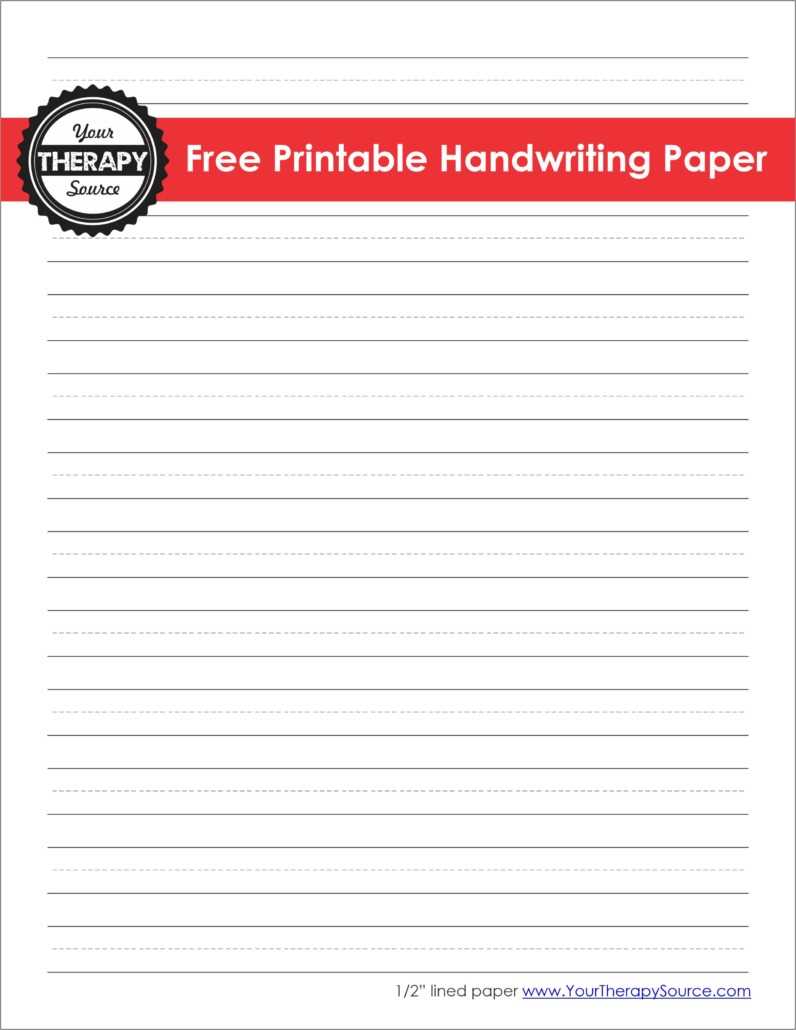
To maximize benefits, practice regularly with these resources. Ensure that the lines and grids align with the size of your handwriting, allowing you to track progress over time. Gradually increase the complexity of the exercises as skills improve, and always focus on maintaining consistent stroke patterns.
Many online platforms offer free downloadable templates for at-home practice. Choose one with adjustable line spacing depending on the writer’s needs–larger spaces for beginners and smaller spaces for more advanced learners. This customization will help make writing practice more tailored and effective.
Using Custom Writing Worksheets for Improved Handwriting
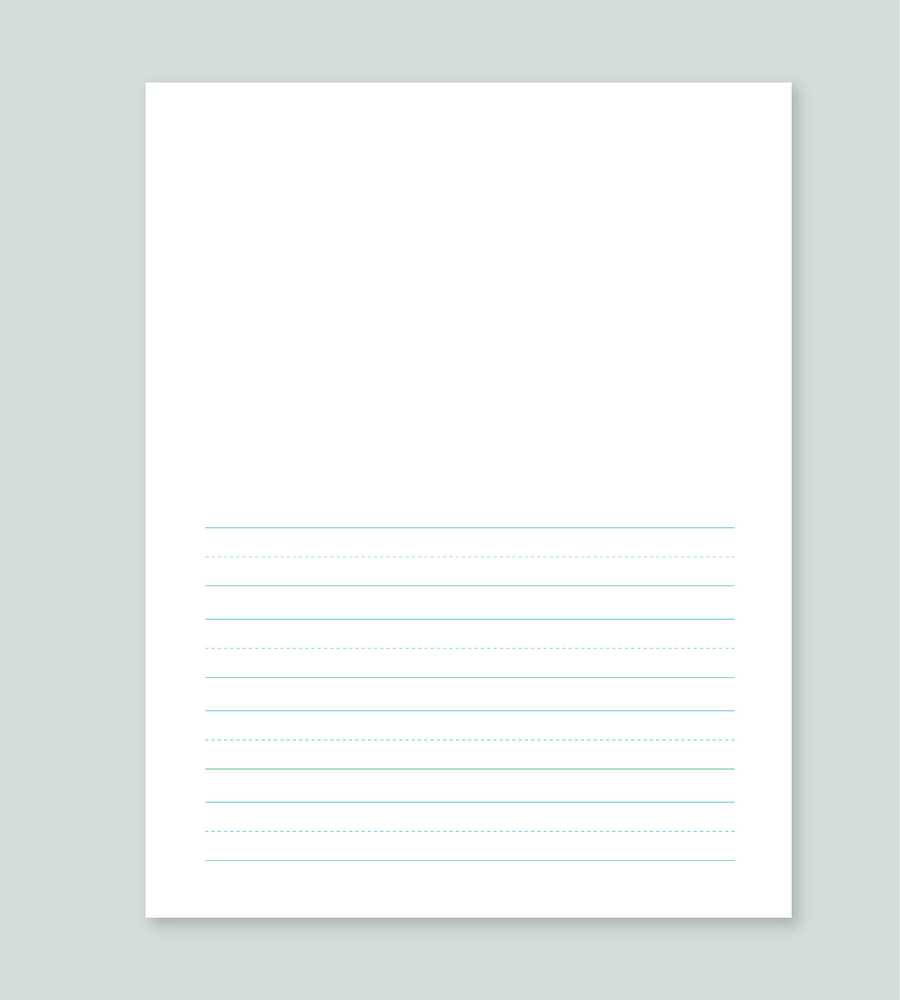
Start by choosing worksheets with clearly defined grids that match the size of your writing style. For beginners, larger grids help maintain uniformity in letter sizes and make it easier to form consistent strokes. As you progress, you can gradually switch to smaller grids to refine your technique.
Make sure to practice daily with these resources. Focus on one letter or number at a time, ensuring each character is formed properly before moving on. This slow, methodical approach helps build muscle memory and leads to better long-term results. Consistency in your routine is key to improvement.
Free templates are widely available online and can be customized to suit your specific needs. Look for options that allow you to adjust line spacing, font style, and character size. This customization ensures that the resources are suited to both children learning to write and adults working to improve their handwriting skills.
How to Choose the Right Writing Worksheets for Your Practice
Select a worksheet that matches your current skill level. If you’re just starting, opt for larger grids that help you maintain control over letter formation. For more advanced practice, smaller grids will help refine your writing technique.
Consider the line spacing. Wider lines are beneficial for beginners and young children as they provide more room for each character. For adults or those looking to improve their cursive, narrower lines are ideal as they encourage more precise strokes.
Choose a design that provides consistent guidelines for both upper and lower case letters. Some templates include a dotted middle line to help with letter height, which is particularly useful for learning the proper proportions of letters.
Look for templates that allow flexibility in terms of font styles. Some sheets offer cursive or print writing options, while others might allow customization, letting you choose a font style that best suits your needs.
Consider the number of lines on each sheet. More lines provide more space for practice, allowing you to repeat each letter or word multiple times. However, if you’re short on time, a sheet with fewer lines can help maintain focus and prevent fatigue.
If you’re working with children, choose worksheets with fun and engaging themes. Adding pictures, characters, or other visual elements can make writing practice more enjoyable and motivate consistent use of the materials.
Finally, seek resources that are easily accessible and adaptable. Free downloads are great for practice at home, and many websites offer customizable templates that can suit various handwriting improvement goals, from basic letter formation to advanced cursive writing.