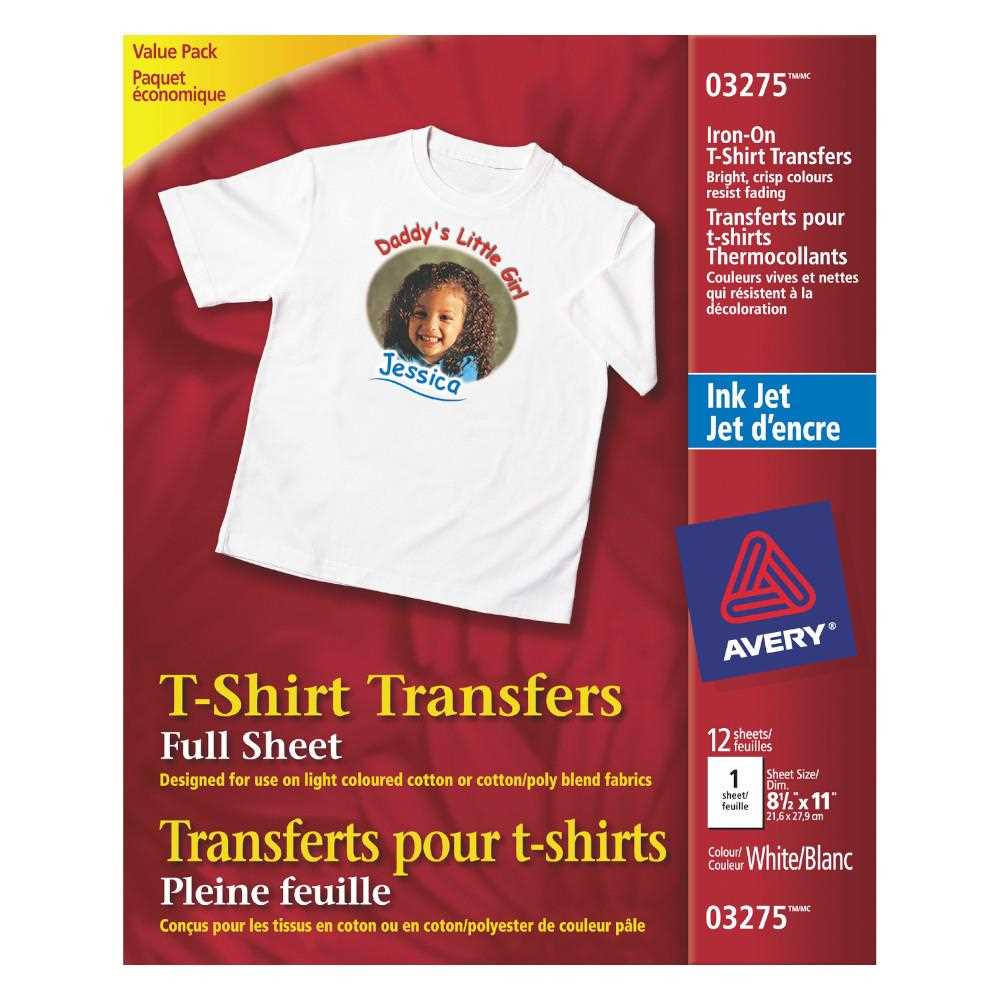
For the best results, choose transfer sheets specifically designed for the fabric type you are working with. For cotton and polyester blends, opt for materials that are highly compatible with heat transfers. Look for products with a smooth finish to ensure the design transfers evenly and without distortion.
Before starting, ensure that your printer settings are optimized for high-quality prints. Select the highest resolution for color accuracy and sharpness. Always test your design on a scrap piece to check color fastness and alignment before moving to the final garment.
When applying your design, be sure to pre-press the fabric for a few seconds to remove wrinkles and moisture. Follow the temperature and pressing time recommendations carefully. Overheating can cause the image to fade quickly, while insufficient heat may result in poor adhesion.
T Shirt Printable Paper Guide
For high-quality transfers, select the right transfer medium based on fabric type. Cotton blends require a different treatment than polyester or mixed fabrics. The key is ensuring that the material you choose adheres well to the fabric and allows the design to retain its vibrancy after washing. Test a small section first to avoid wasting materials.
Printing settings matter–ensure your printer is set to its highest resolution for sharp and clear designs. Choose the “best quality” option in the print settings and, if possible, use a specialized profile for fabric transfers. This helps achieve a detailed and rich print without smudging.
Before you apply the transfer, pre-press the fabric for around 5-10 seconds to remove any moisture or wrinkles. This creates a smooth, even surface for the design and ensures better adherence. Use the correct temperature for your chosen transfer material, as overheating can cause designs to crack or fade prematurely.
After applying the design, avoid washing the fabric immediately. Let the transfer cool and set for at least 24 hours. To increase the longevity of the design, always turn the fabric inside out when washing, and avoid harsh detergents or fabric softeners.
Choosing the Right T Shirt Printable Paper for Your Project
Selecting the correct transfer material starts with understanding the fabric you’re working with. For cotton-based textiles, choose a transfer medium designed for high absorption. Polyester or blended fabrics, on the other hand, work best with products that offer superior heat resistance and flexibility. Each type of fabric reacts differently, so testing on a small section is always a good idea.
Next, consider the print type you want. For darker fabrics, opt for transfer sheets specifically made for dark backgrounds. These usually feature a white backing that allows the design to stand out against dark colors. Light fabrics, however, can often use thinner and more flexible materials that blend seamlessly with the background.
Here are a few key factors to consider when choosing your transfer medium:
- Fabric type: Cotton, polyester, blends, and more require different transfer sheets.
- Color of fabric: Dark fabrics need specific types of transfers to maintain design vibrancy.
- Finish: Glossy finishes tend to stand out more but may crack over time; matte finishes are often more durable.
- Heat resistance: Some transfers require higher heat, so make sure the material can withstand your press settings.
Another factor to consider is the transfer’s durability. Some materials resist washing better than others, while others may start peeling after several cycles. Always choose a product known for its long-lasting adhesion, especially for frequent-wear items.
Lastly, think about ease of use. Some transfers are designed for quick application, while others require more careful handling. If you’re a beginner, start with a simpler option that doesn’t require a perfect technique for successful results.