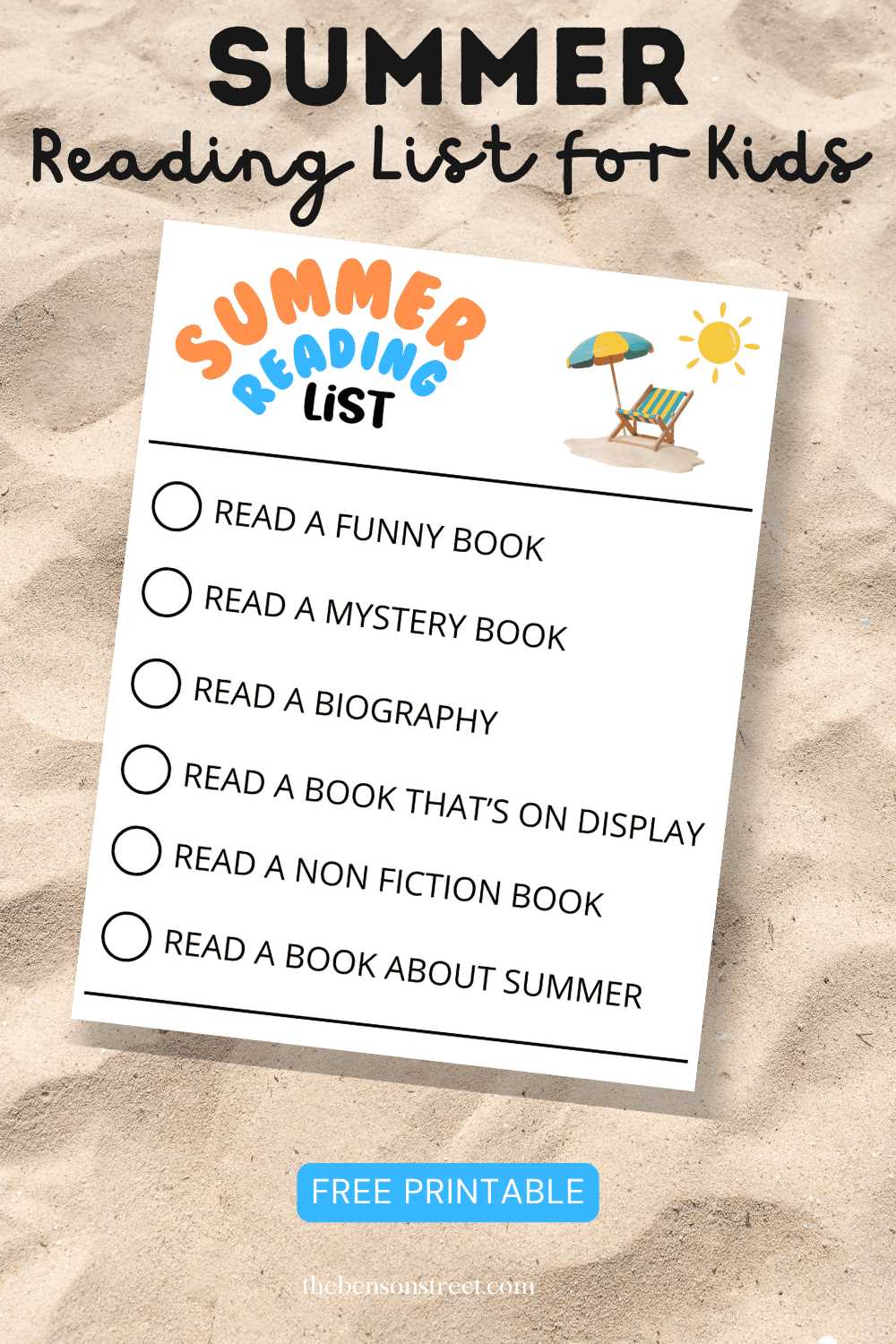
Start by creating a list of books tailored to different reading levels. Organize them by genre or theme to encourage diverse interests. Include both classic literature and contemporary works to keep young readers engaged. Having a mix of shorter stories and longer books helps maintain attention and progress.
Next, consider adding fun challenges to the mix. Use worksheets and trackers to help children set and achieve their own goals. These can include activities like reading a set number of pages each week or completing certain tasks related to the material, such as drawing scenes from the story or writing a short summary.
For a more interactive experience, create a reward system. Offer stickers, certificates, or even small prizes for completing specific tasks. This adds an element of fun to the learning process while also encouraging children to keep reading and stay motivated throughout the break.
Maximizing the Learning Experience with Fun Tasks
Start by selecting tasks that complement the material your child is engaging with. For example, if they read a mystery story, include activities like creating their own mystery or solving puzzles related to the plot. This keeps the experience interactive and makes the content more relatable.
Set clear and achievable goals, like reading a certain number of chapters per week or exploring different genres. Use visual trackers or charts to monitor progress, which not only motivates but also provides a sense of accomplishment. Completing a set number of challenges could lead to rewards, making the process more exciting.
Incorporate a mix of activities that involve both comprehension and creativity. After finishing a story, ask your child to write a short review, or illustrate a scene from the book. These exercises help develop both writing and critical thinking skills, deepening their connection to the material.
Try adding themed worksheets related to the story’s content. For instance, if they’re reading about animals, have them fill out a sheet with animal facts or a matching game with animal names and their characteristics. These activities reinforce what they’ve learned and make it easier for them to retain information.
Lastly, keep the atmosphere light and fun. Encourage discussions about the characters and plot, and be sure to praise their efforts regularly. A positive and supportive environment increases the likelihood that children will enjoy the experience and want to continue exploring new books on their own.
How to Create Your Own Reading Challenge for Kids
Begin by defining clear objectives. Choose the number of books or pages to be completed over a specific time, such as a month or two. Break it down into weekly goals, ensuring the challenge is achievable but still motivating. Incorporate a mix of fiction, non-fiction, and different genres to keep it exciting.
Design engaging activities related to the material. For example, after each book, have kids write a short summary, draw a favorite scene, or discuss the main theme. These tasks will help them reflect on what they’ve read while making the challenge more interactive.
Create a reward system to encourage progress. For each goal achieved, kids can earn stickers, small prizes, or points towards a larger reward, such as a special outing. This adds an element of fun and builds excitement for each completed milestone.
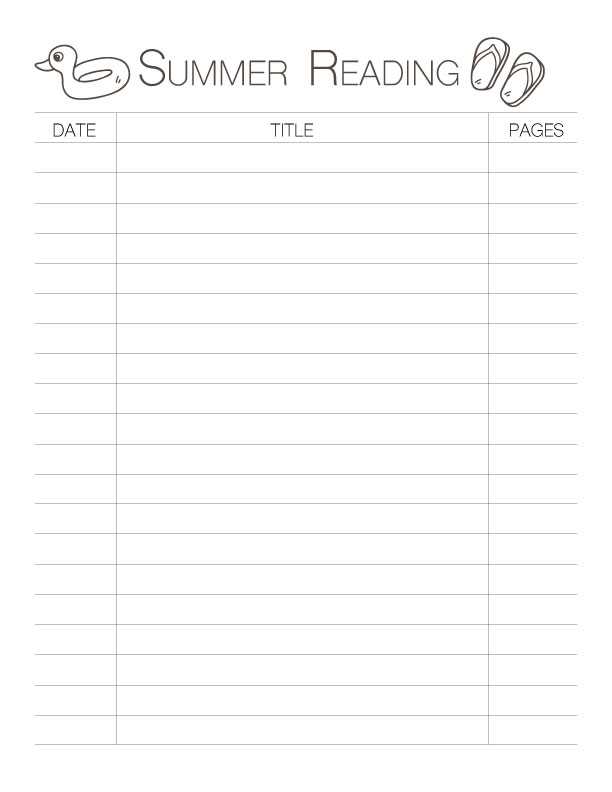
Track progress visually with a chart or poster where kids can mark off completed tasks. This makes the challenge more tangible and gives them a sense of accomplishment as they see their progress. The visual tracker can also serve as a reminder of their goals and motivate them to keep going.