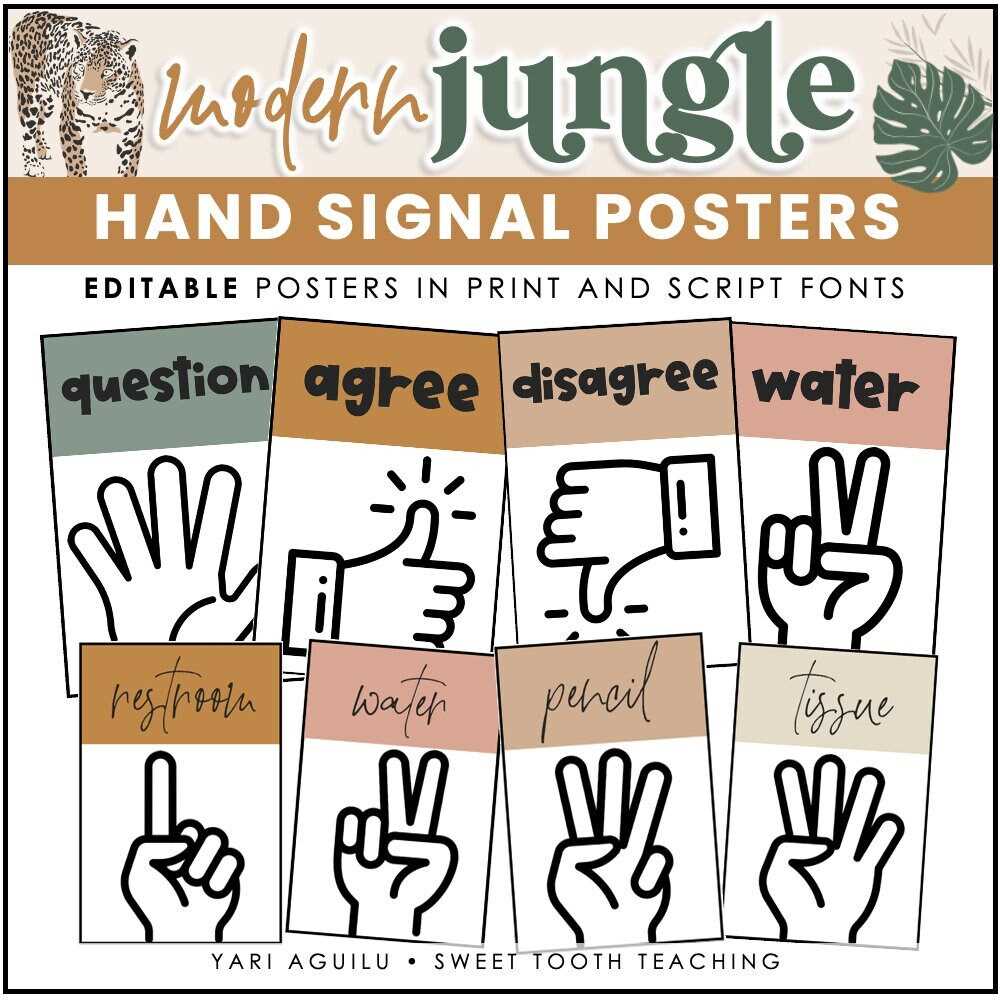
Using visual cues to communicate with students is a simple yet powerful way to streamline interactions and maintain classroom order. Implementing visual gestures allows teachers to manage attention, answer questions, and provide instructions without interrupting the flow of the lesson. Students, especially younger ones, benefit from having a clear understanding of when and how to respond, all through easily understood motions.
To get started, download templates that display common movements for a variety of situations. These resources are designed for quick access and can be displayed around the classroom for easy reference. By using these templates, teachers can ensure consistency in communication and help students become familiar with the gestures they are expected to use.
Incorporating these cues into daily routines not only enhances communication but also creates an environment where students feel more confident in their ability to express themselves without speaking. This method supports quieter students, reduces disruptions, and promotes a more organized atmosphere, making it a practical tool for any educational setting.
Using Gesture Guides for Student Communication
Incorporating visual cues into daily teaching can significantly improve interaction in the learning environment. Display simple visual guides that show commonly used motions for various classroom needs, such as requesting a break, needing help, or asking a question. Place these templates in areas where students can easily see them, so they can quickly grasp the meaning and use them during lessons.
To ensure smooth implementation, start with a few basic cues that are easy for students to remember and recognize. Choose gestures that align with common classroom activities and interactions. Over time, introduce more gestures as students become familiar with the basics. This approach helps students express their needs without disrupting the flow of the lesson, providing a more organized atmosphere.
It’s also helpful to create a routine around these cues. For example, begin the day by reviewing the most common gestures and their meanings, then incorporate them throughout the lesson. Repetition will make students more comfortable with the system and increase the effectiveness of non-verbal communication in the classroom.
How to Use Gestures to Manage Communication in the Learning Space
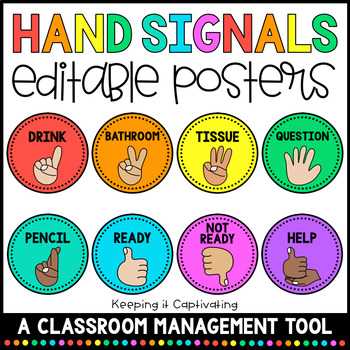
Start by assigning specific gestures to common classroom actions, like requesting a break or signaling the need for help. Using simple, consistent motions will allow students to understand their meanings quickly. This minimizes the need for verbal interruptions and keeps the focus on the lesson.
Introduce gestures gradually, starting with the most frequently used ones. Demonstrate how to raise a hand for a question or use a specific gesture to indicate when a student needs the teacher’s attention. This reduces confusion and helps reinforce the behavior over time.
It’s also helpful to display visual reminders in the room, so students can easily refer to them when necessary. Place the chart with the gesture meanings where everyone can see it, such as near the whiteboard or on a bulletin board. This visual aid helps reinforce the gestures and makes them more accessible to students of all levels.
When introducing new gestures, explain their purpose and context clearly. For example, describe how a particular motion is used to request permission to leave the room. By making the connection between the gesture and its function explicit, students will better understand how to use it effectively.
Reinforce the use of gestures by practicing them regularly during lessons. You can prompt students to use the gestures during specific activities, such as when they need to ask a question or request assistance. This builds familiarity and helps students feel more comfortable relying on non-verbal communication.
Consistency is key. Both the teacher and students should follow the same set of gestures to avoid confusion. Consistently using the same motions will make them second nature for students and teachers alike, improving the overall communication process.
Finally, encourage students to suggest new gestures if they feel the need for additional options. This will give them a sense of involvement and help adapt the system to the specific needs of the group. Over time, this process will allow for a more dynamic and effective communication system.