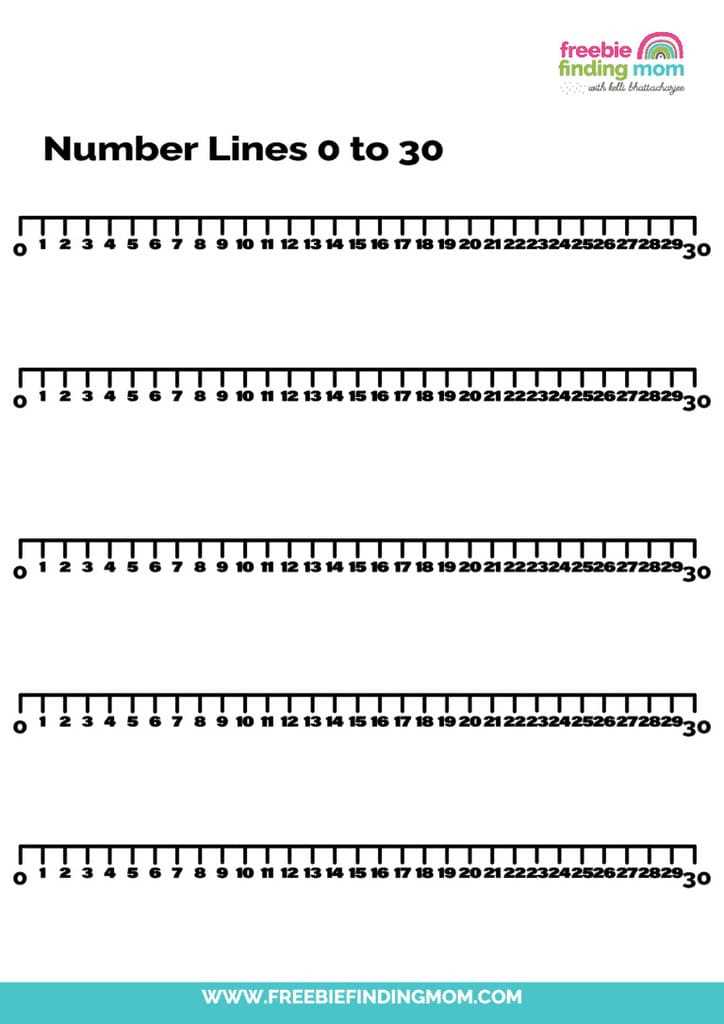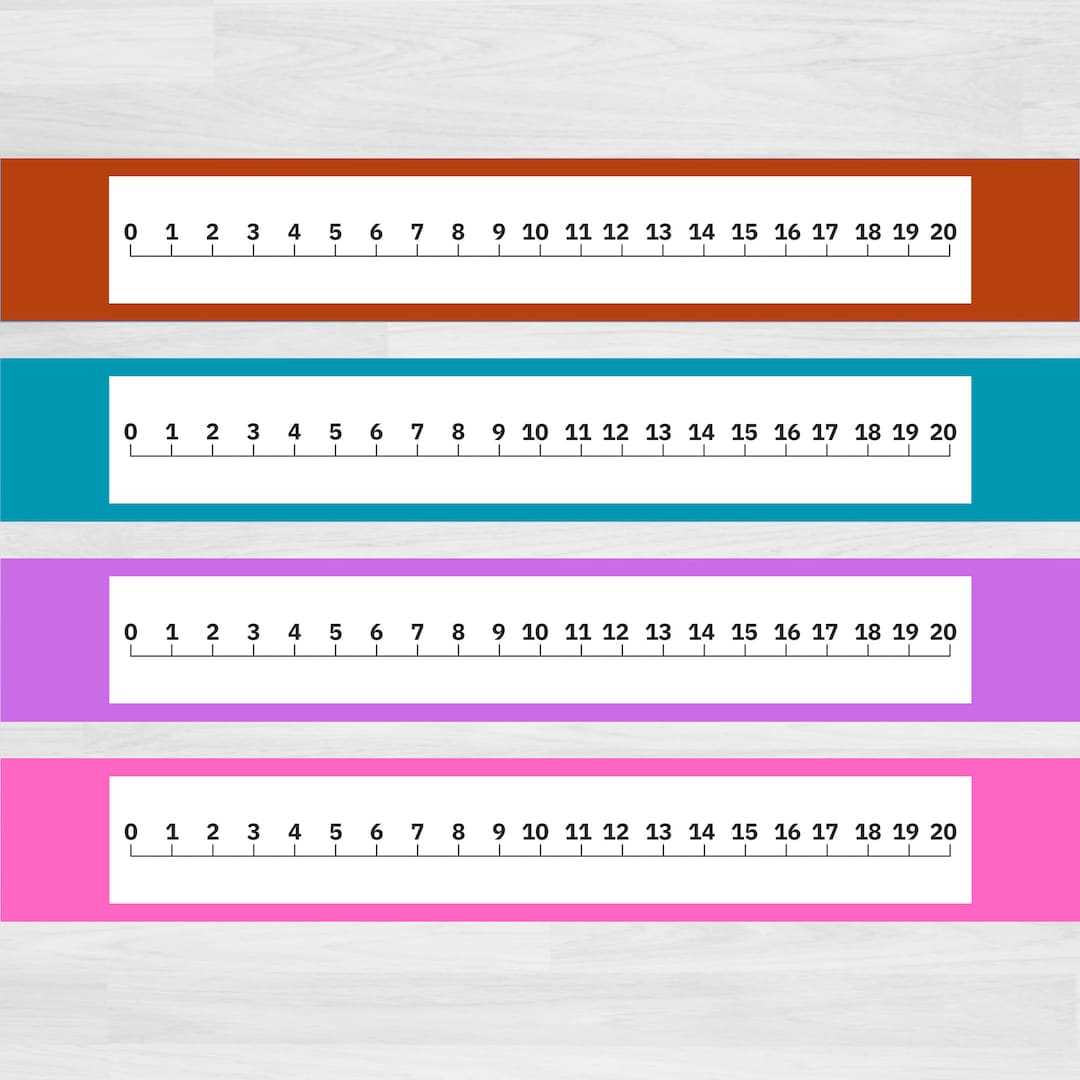
Start by placing a chart where children can visually track numbers from one to twenty. This tool helps kids understand the order of numbers, offering a visual guide to support their counting practice. By pointing to each digit as they count, they reinforce the sequence and improve retention.
Incorporate fun activities to engage young learners. For instance, ask them to identify the number that comes before or after a given digit. This simple exercise builds familiarity with numerical relationships and strengthens their counting skills.
As children progress, encourage them to use the chart for basic addition and subtraction. Ask them to solve simple problems by moving along the chart, counting up or down to find the answers. This method not only improves math fluency but also helps them develop problem-solving strategies in a hands-on way.
Using a Visual Aid to Master Counting from 1 to 20
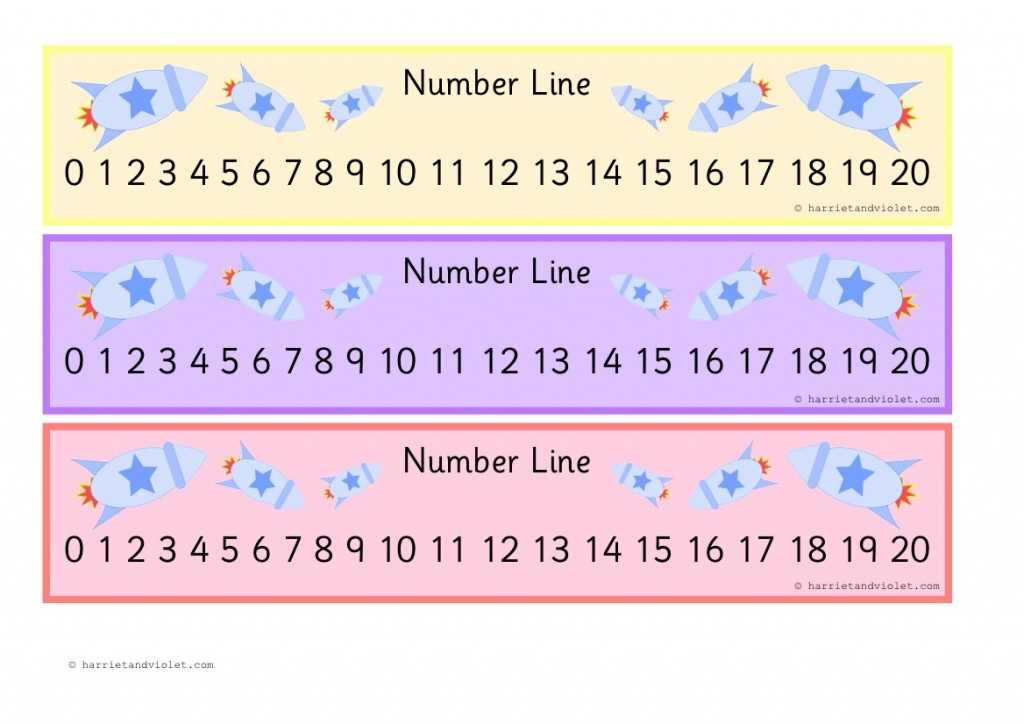
Begin by placing a chart with numbers from one to twenty in front of children during early learning activities. This visual tool offers a straightforward reference for counting practice. As children point to each digit, they start associating the numbers with their sequence, enhancing their recognition and recall.
For more interactive learning, ask kids to identify the number before or after a given digit on the chart. This exercise helps develop their understanding of number relationships, improving their ability to count in both directions. You can also use this as a game to make learning more engaging.
Next, use this visual guide to introduce basic arithmetic. Ask children to solve simple addition and subtraction problems by physically moving between the numbers on the chart. This hands-on approach reinforces the connection between counting and math concepts, offering a tangible way to understand abstract ideas.
Incorporate group activities where children work together to fill in missing numbers or arrange them in random order. This reinforces their understanding of the sequence while fostering cooperative learning. These exercises also help children understand patterns and sequences beyond simple counting.
As children become more comfortable with counting, you can make the tool more complex by adding skip-counting tasks or challenges like counting by twos or fives. This allows them to build on their knowledge and develop stronger math skills, making the chart a versatile and ongoing learning resource.
How to Use a Number Chart for Early Math Learning
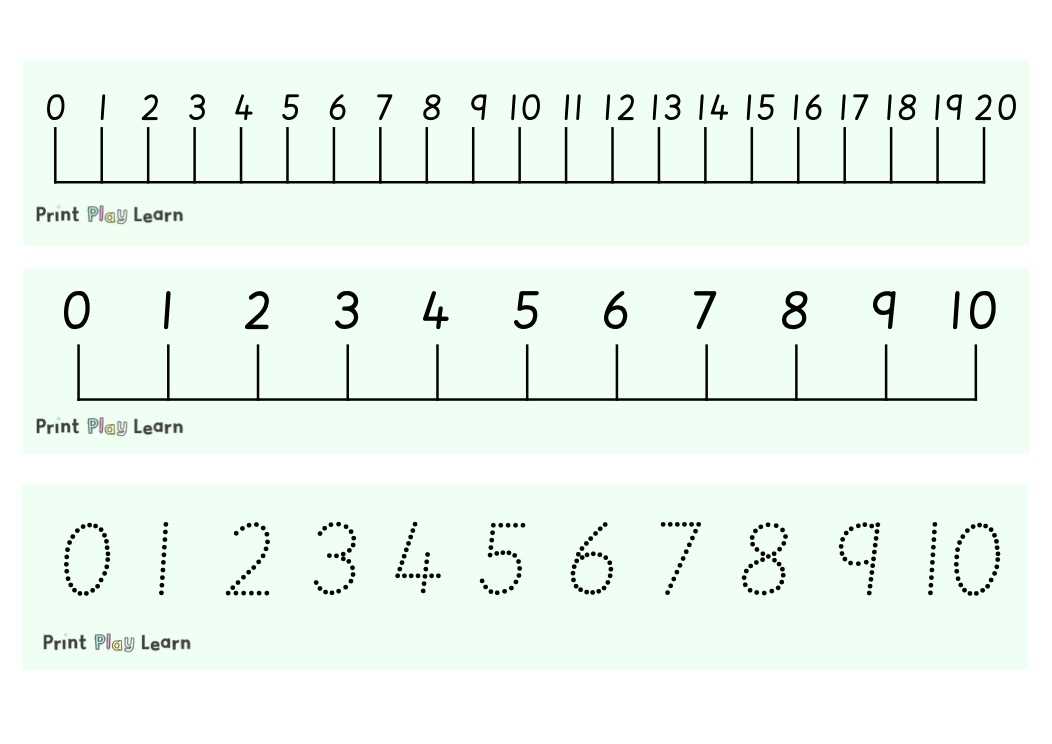
Start by displaying the sequence from one to twenty on a flat surface or wall where children can easily see it. Encourage them to point to each digit while counting aloud. This simple activity helps them develop a sense of number order and improves their ability to recognize numerals quickly.
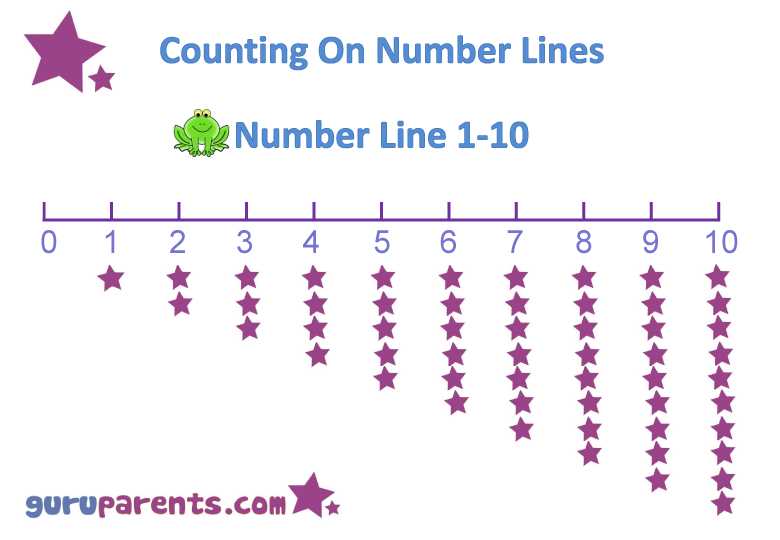
Once they are comfortable with basic counting, use the chart to teach concepts such as addition and subtraction. For example, ask them to solve problems like “What’s 3 plus 2?” by visually counting forward from three and adding two steps. This provides a clear visual representation of how numbers interact.
As they progress, challenge them to count backwards or skip count in twos and fives. You can also use the tool for pattern recognition, like asking which numbers are even or odd. The visual aid can be adapted for various learning levels, ensuring it remains a useful resource throughout early math development.