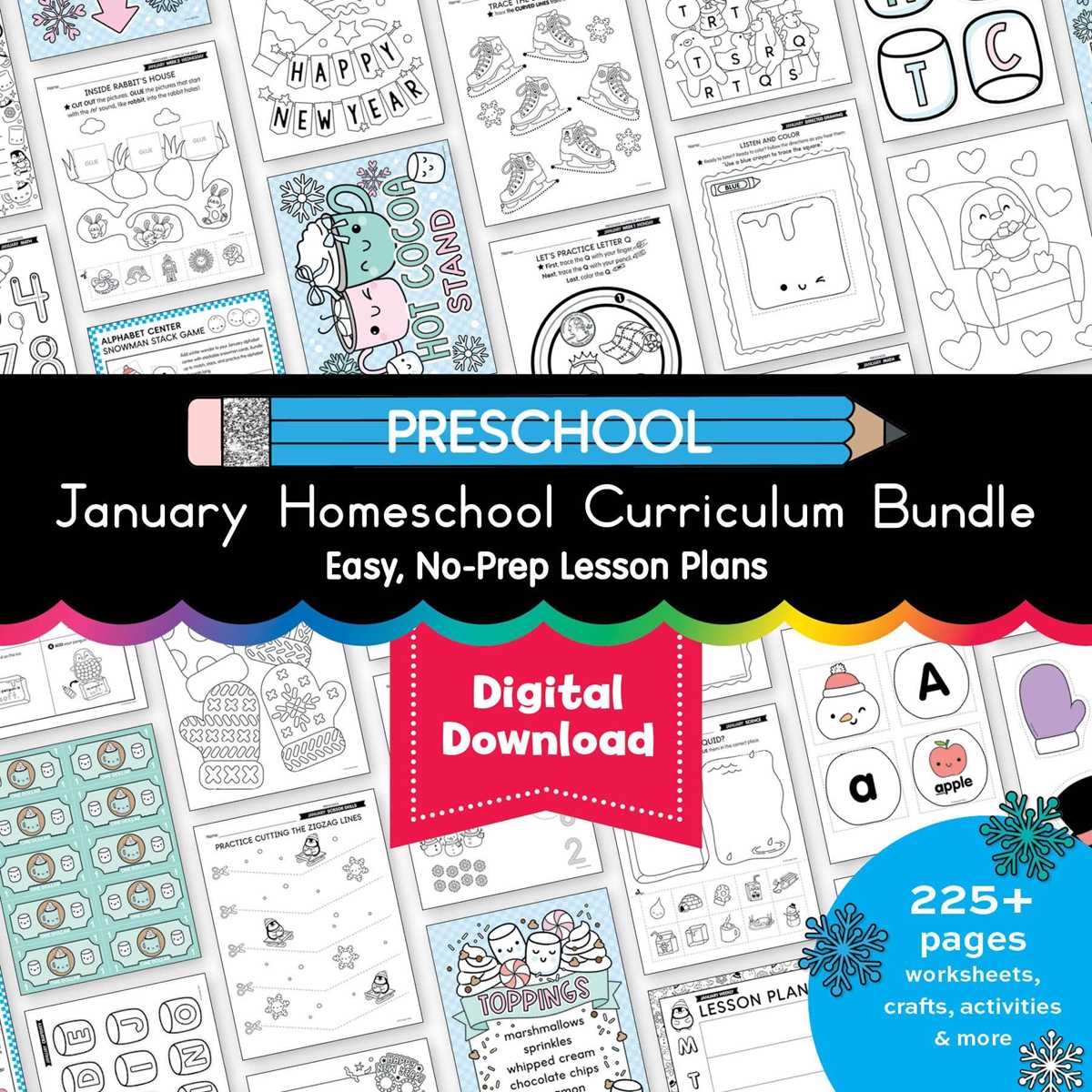
Start by gathering resources that align with the developmental needs of your child. Focus on activities that promote early literacy, numeracy, and motor skills. Activities like matching games, counting exercises, and letter tracing will build a solid foundation.
Choose simple templates for daily tasks. These can range from alphabet worksheets to math counting sheets, all designed to engage kids while offering hands-on practice. A variety of resources will keep the child interested without overwhelming them.
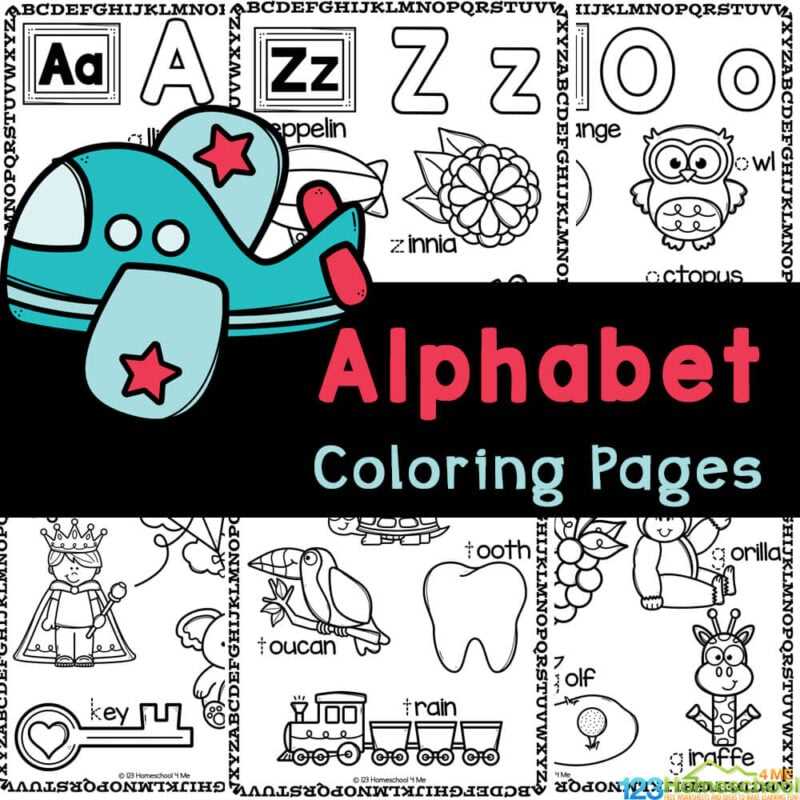
Use themed learning packs that correspond to seasons, holidays, or animals. These can add fun and relevance to lessons while encouraging creativity through arts and crafts. Seasonal topics make it easy to incorporate lessons into daily activities without extra planning.
Organize materials into separate folders or binders for easy access. Labeling the sections according to subjects like “letters,” “numbers,” or “shapes” allows for a quick selection of activities. This will save time and reduce stress during learning sessions.
Choosing the Right Resources for Early Learning
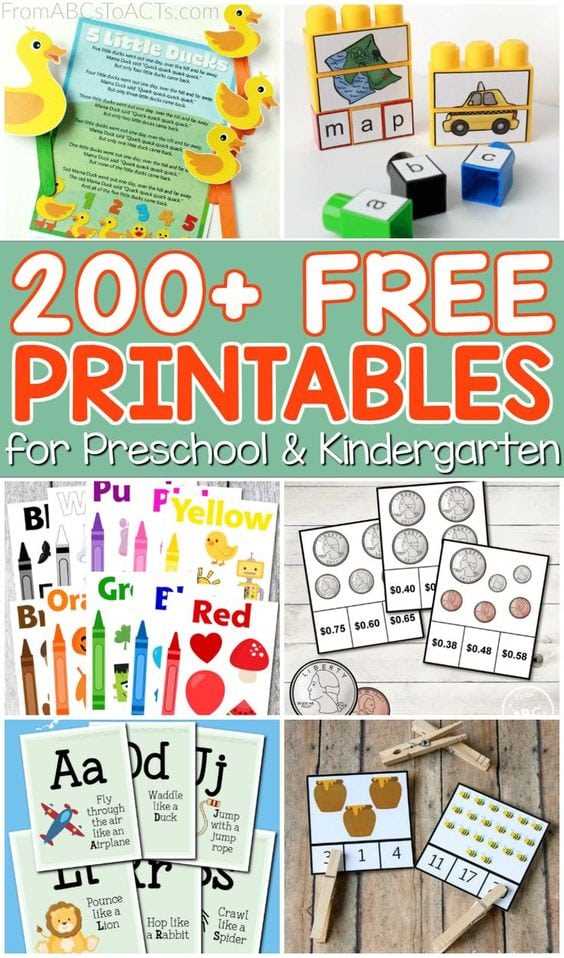
Start by selecting learning materials that are developmentally appropriate. Focus on simple activities that teach basic concepts like colors, shapes, numbers, and the alphabet. These tasks should be engaging, with clear visuals and hands-on activities.
Many online platforms offer worksheets that cover fundamental skills. Look for templates that include activities like coloring pages, matching exercises, or sequencing games. These are great for helping children practice problem-solving and motor skills.
Sorting materials by subject can make organizing tasks easier. Divide resources into categories such as literacy, numeracy, art, and motor skills. This way, each day can have a clear focus, helping you avoid overwhelming your child with too many different tasks at once.
Interactive games and puzzles are another excellent way to introduce new concepts. They encourage critical thinking and engagement, making learning fun. Activities like letter puzzles or number matching can support learning while keeping kids interested.
Use seasonal themes to tie lessons to the time of year. Worksheets and projects that focus on holidays, weather, or animals can create a more relevant and exciting learning experience. This helps children connect with what they are learning in a real-world context.
- Start with simple themes like the alphabet, numbers, or shapes.
- Incorporate seasonal topics like autumn leaves or winter animals.
- Use familiar stories and characters to create engaging learning materials.
Finally, consider using resources that are easy to access and adjust. Keep a folder or binder of organized templates that can be reused or modified for different lessons. This will help you stay organized and ensure a smooth learning experience for both you and your child.
How to Select Age-Appropriate Activities for Pre K Students
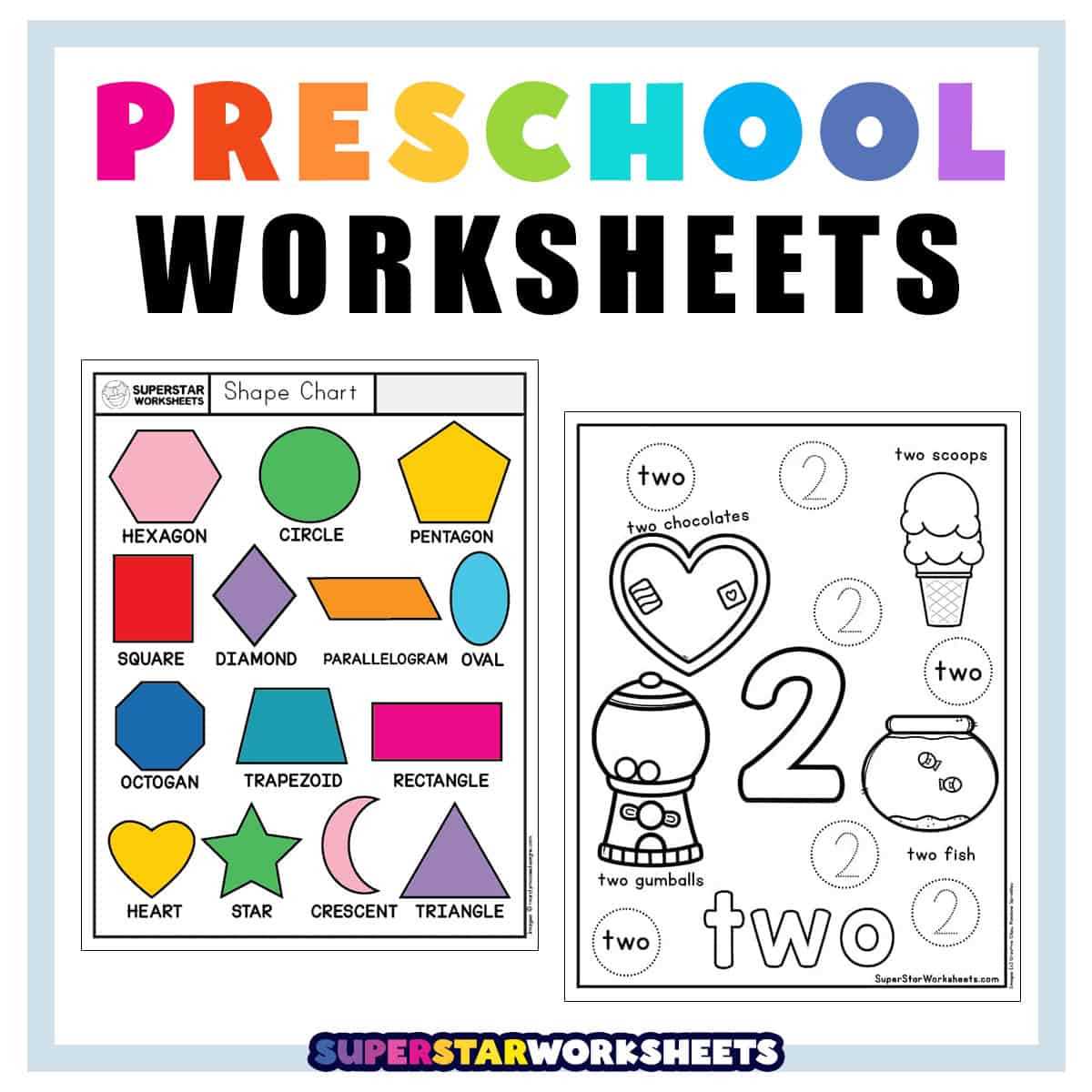
Focus on activities that match the developmental milestones for 3 to 5-year-olds. Simple tasks like recognizing shapes, colors, and letters will engage them while supporting their cognitive growth. Avoid overly complex worksheets that might frustrate them.
Choose hands-on tasks like matching games, puzzles, and drawing exercises. These activities help improve fine motor skills and are easy for young children to grasp. Using items like blocks or toys for counting can make math concepts more tangible and fun.
Balance structured and unstructured time. While worksheets can provide structured learning, children also need opportunities for free play. This fosters creativity and problem-solving skills. Activities such as building with blocks or drawing allow children to experiment and think independently.
Incorporate sensory activities such as playdough or water painting. These activities appeal to young children’s need for tactile exploration while promoting hand-eye coordination and sensory processing. Sensory-rich tasks also make abstract concepts like shapes and patterns more concrete.
- Sorting objects by color or size improves both cognitive and motor skills.
- Simple matching games can teach letter and number recognition.
- Interactive songs or finger plays encourage language development.
Stick to short, focused lessons. Children in this age group have short attention spans. Activities should be brief but engaging. Aim for 10-15 minutes per task to prevent boredom or frustration.
Monitor progress and adjust accordingly. As children grasp certain concepts, you can gradually introduce more complex tasks. However, always ensure that the pace is aligned with their individual developmental needs. This will keep them engaged and confident in their abilities.