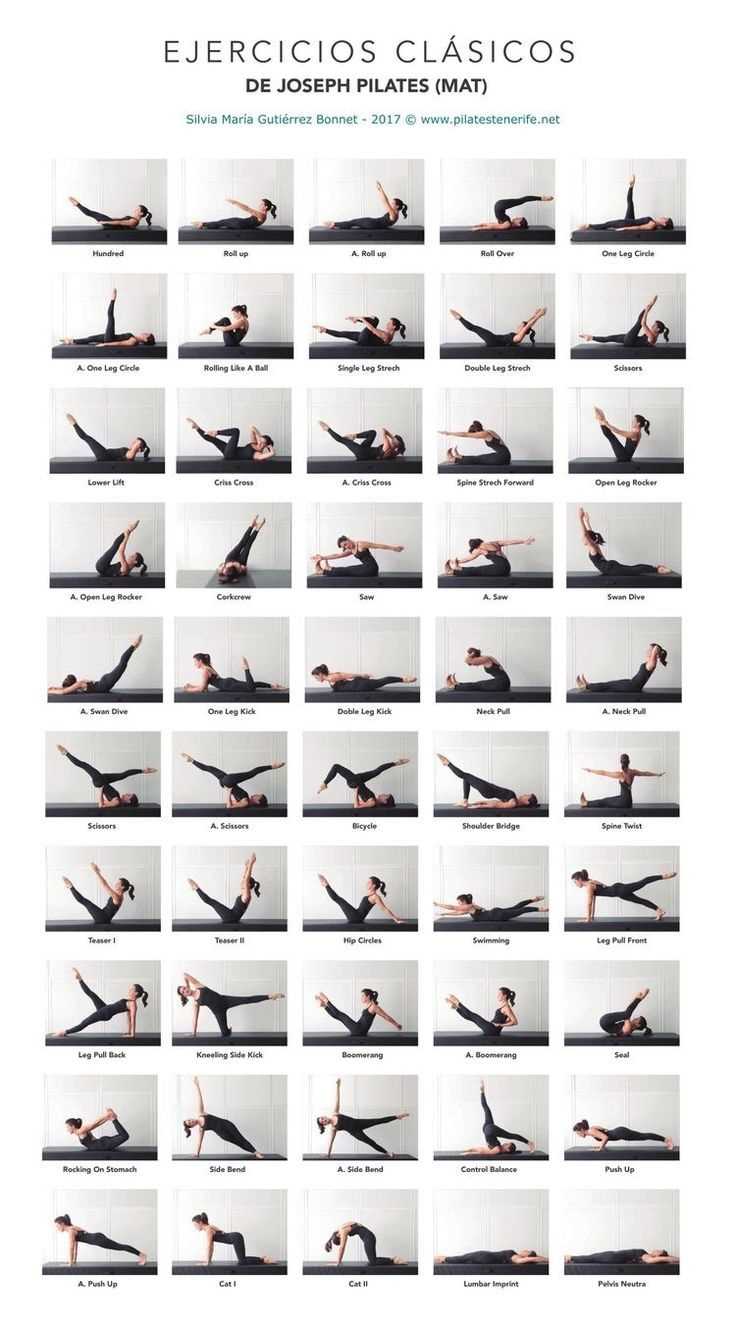
Place a large-format exercise poster at eye level near a stable vertical surface and follow a fixed sequence of 6–8 movements for 15–20 minutes. A clearly arranged routine sheet helps maintain tempo, repetition count, and alignment cues without checking a phone or switching tabs. Choose an A3 or 11×17 inch layout so illustrations and breathing prompts remain legible from 1–2 meters away.
Design the layout with grouped sections: warm-up (3–4 mobility drills), main block (4 strength-focused poses using bodyweight resistance against a vertical plane), and cooldown (2 stretching positions). Add repetition ranges such as 8–12 controlled reps or 30–45 second holds, and mark tempo using a simple 3-1-3 scheme (three seconds eccentric, one second pause, three seconds concentric). This structure reduces random exercise selection and supports progressive overload through tracked increments.
Use high-contrast typography (minimum 18 pt for headers, 14 pt for cues) and simple line diagrams that highlight joint alignment: shoulders stacked over wrists, neutral pelvis, heels grounded. Short technique notes like “rib cage down” or “press through mid-foot” should sit directly under each illustration to minimize distraction during sets.
Print the routine guide on 200–250 gsm matte paper or light cardstock to prevent curling and glare. Laminate if workouts involve sweat or frequent handling; dry-erase surfaces allow weekly goal tracking, such as total sets completed or increased hold duration. Mount using removable adhesive strips rated for at least 2 kg to avoid slipping during dynamic sequences.
Update the routine every 4–6 weeks by swapping two core movements and adjusting volume by 10–15%. Keeping the visual plan consistent while modifying load parameters supports steady strength gains in glutes, deep abdominal muscles, and shoulder stabilizers without extending session length beyond 25 minutes.
Position the reference sheet slightly to the side of your working area rather than directly in front; this maintains neck neutrality while allowing quick glances between sets. Pair the display with a simple timer set to interval mode (40 seconds work, 20 seconds transition) to standardize pacing and prevent undertraining.
Layout, Scaling, and Practical Use Guide for a Wall-Based Exercise Poster
Use an A3 or 11×17 inch vertical sheet for clear visibility from 1.5–2 meters; this size allows exercise names at 28–36 pt and movement cues at 16–18 pt without crowding. Arrange content in three horizontal bands: upper body sequences at the top, core-focused drills in the center, lower body series at the bottom. Leave 12–15 mm margins to prevent trimming during home printing and to keep alignment marks intact.
Limit the grid to 6–9 movements per page to avoid visual overload. Each movement block should occupy a rectangle no smaller than 60×90 mm, combining a simple line illustration and 3–5 bullet cues capped at 8–10 words each. Use consistent iconography for props (mat, block, strap) and place repetition or time targets in the lower-right corner of each block for fast scanning during a session.
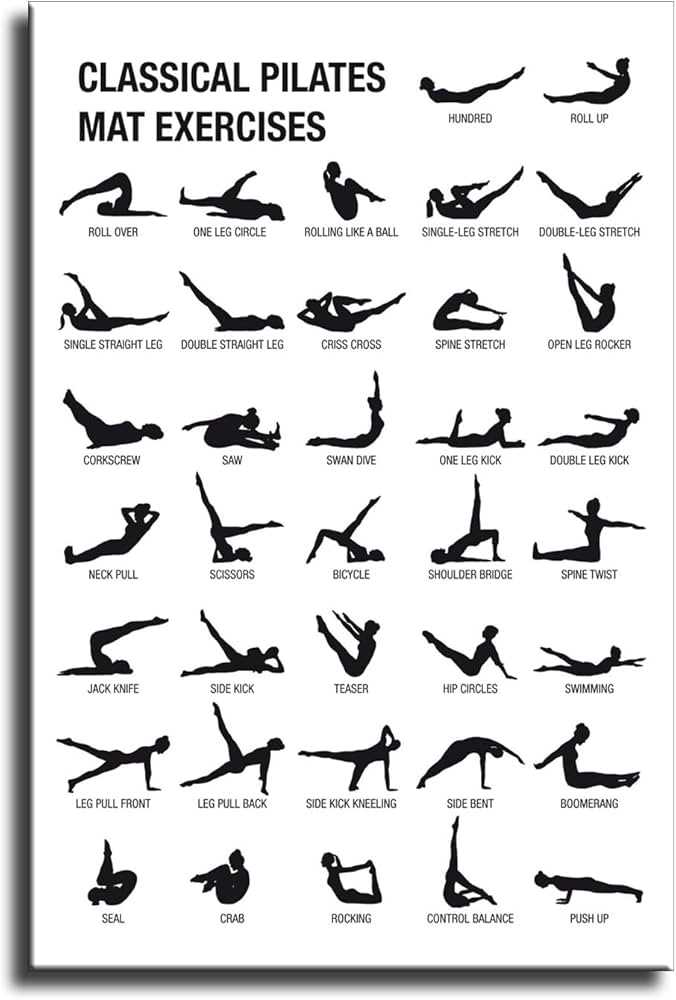
Scale artwork at 300 dpi for sharp outlines; vector graphics are preferable because they retain clarity when resized to A4 or US Letter. If printing on standard home devices, reduce the design proportionally to 94–97% to account for non-printable edges. Test one sample page before full output and verify that small text remains legible at arm’s length.
Choose 160–200 gsm matte paper for single-page display; it resists curling and reflects less light under ceiling fixtures. For long-term use in humid rooms, laminate with 80–125 micron pouches or mount on 3–5 mm foam board. Avoid glossy finishes that create glare and obscure alignment cues during floor-to-vertical transitions.
Organize progression with color-coded difficulty bands: light tone for beginner holds (10–20 seconds), mid tone for intermediate sets (8–12 reps), darker tone for advanced tempo work (3–4 second eccentrics). Keep the palette limited to three hues plus black to maintain contrast and print consistency across devices.
Include measurement references directly on the poster: a 10 cm scale bar and alignment lines spaced 5 cm apart help users position feet, hips, and shoulders relative to a vertical surface. Add arrows indicating range of motion and dotted lines marking neutral spine or shoulder height.
For practical placement, fix the sheet at eye level–typically 150–165 cm from the floor to center–so cues remain readable during standing sequences. Secure with removable adhesive strips rated for at least 1 kg, or use magnetic holders on metal surfaces to allow quick repositioning between drills.
Update cycles every 4–6 weeks by swapping the middle band with new core variations while keeping the header and footer consistent. Store alternate pages in a labeled binder and date each version to track progression volume, hold times, and perceived exertion notes written in pencil on the margin.