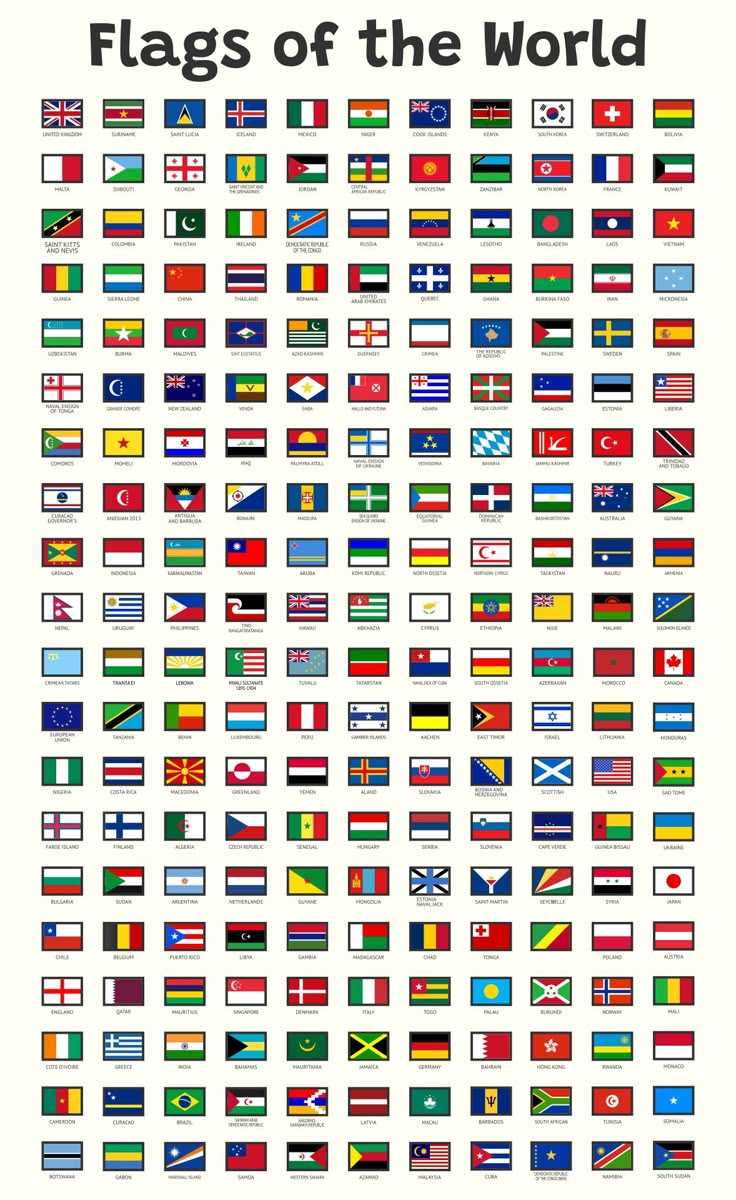
Download vector-based country banners in SVG or PDF format at 300 DPI to preserve sharp lines and accurate proportions on A4 or US Letter sheets. Choose sources that provide official aspect ratios (for example, 2:3 for France, 1:2 for the United Kingdom, 3:5 for the United States) and specify Pantone or CMYK color values to avoid hue distortion during home or office printing.
Select files that include bleed margins of at least 3 mm and crop marks if you plan to trim sheets for classroom sets or event decor. For inkjet devices, set the paper type to “Photo” and disable automatic color correction; for laser printers, use 120–160 gsm matte paper to prevent curling. If scaling multiple countries on one page, keep each image above 5 cm in height to maintain legibility of detailed coats of arms such as Spain or Mexico.
Verify that the design reflects the current official version adopted by the respective government. For example, ensure the correct shade of red for Canada (Pantone 032 C) and the proper star count and arrangement for the United States (50 stars in nine offset rows). Avoid outdated variants that may circulate in older educational archives.
For classroom geography activities, arrange a grid of 4–8 national symbols per sheet and label each with the country name in a sans-serif font sized 10–12 pt. Laminate finished sheets with 80–100 micron pouches for durability, especially if used in primary education settings. When preparing decorations for international events, enlarge single designs to A3 size and mount them on foam board using acid-free adhesive spray to prevent paper warping.
Check usage rights before distribution. Many governmental portals allow non-commercial educational reproduction, while some graphic repositories require attribution. Prefer public domain artwork released by official state institutions or reputable archives that clearly state reproduction terms.
For accurate color output, calibrate your monitor and run a small test strip before full-page printing. Compare printed tones against official RGB or CMYK references published by national authorities. Store digital files in a dedicated folder labeled by continent or ISO country code (e.g., FR, BR, JP) to simplify future access and batch printing.
If preparing materials for quizzes or flashcards, create double-sided sheets with the emblem on one side and key facts–capital city, population estimate, ISO alpha-2 code–on the reverse. Keep margins consistent at 10–15 mm to avoid cutting into the design, and export final layouts as flattened PDFs to prevent font substitution issues on different devices.
World Flags Printable Free Sources Formats and Classroom Uses
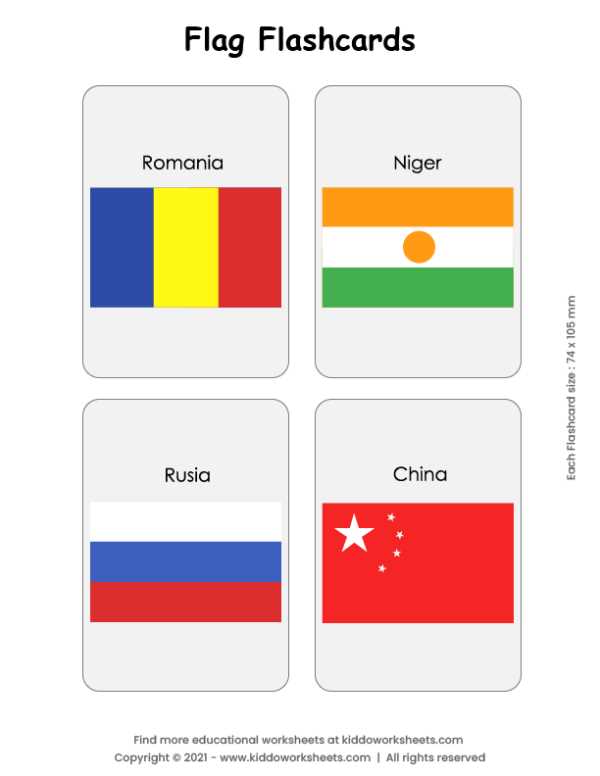
Download high-resolution country emblems from SVG repositories such as Wikimedia Commons (vector files in SVG and PDF up to 300–600 dpi), government portals that publish official state symbols, and open educational platforms offering ZIP archives grouped by continent. Choose SVG for scalable classroom posters up to A3 without pixelation, PDF for consistent margins and CMYK export, and PNG (at least 2000 px width) for worksheets. Verify aspect ratios against official specifications–for example, 2:3 for France, 3:5 for the United States, 1:2 for the United Kingdom–and keep color accuracy by converting to ISO Coated v2 CMYK before printing; Pantone references (e.g., PMS 186 C for Canada’s red) prevent shade drift on standard laser printers.
Use these national banners in geography drills by assigning ratio calculations, color matching tasks, and map-labeling exercises; in history lessons, pair each design with a timeline card covering adoption year and constitutional changes; in language classes, add pronunciation guides and capital-city quizzes beneath each image. For primary grades, print black-outline versions for coloring activities that reinforce symbol recognition, while secondary students can compare heraldic elements, count stars or stripes, and analyze symbolism in short written responses limited to 120–150 words to maintain focus and grading speed.
Where to Download High Resolution World Flags Printable Free in PDF and SVG Formats
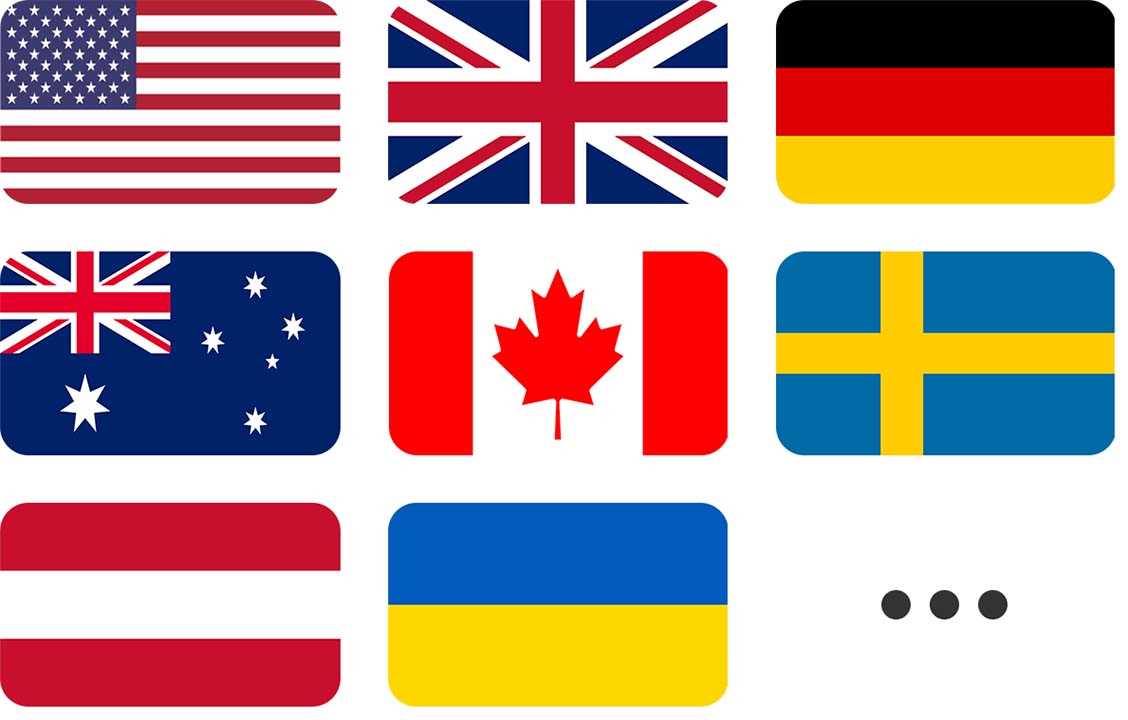
Download vector and PDF country banners directly from Wikimedia Commons, where most national emblems are available in SVG format with scalable resolution suitable for large-format output. Use the “Original file” link on each file page to access the highest quality version, often exceeding 1000×600 px for raster copies and fully scalable for vector graphics. Check the licensing section to confirm public domain or compatible Creative Commons terms before redistribution.
Access ISO-standardized country graphics through ISO documentation references and cross-check proportions using official government portals such as the UK Government site or USA.gov. Many national administrations publish official artwork packages in PDF or EPS formats within press or media sections. These files preserve correct aspect ratios (for example, 2:3 or 1:2) and exact Pantone or RGB color specifications required for accurate reproduction.
Retrieve high-resolution SVG collections from Flagpedia, which provides downloadable vector files categorized by continent and includes clear ratio data beneath each image. The platform also offers PNG exports up to 2560 px width, useful for posters or classroom materials. Confirm that color profiles match sRGB before exporting to print workflows.

Use The World Factbook by the Central Intelligence Agency for standardized country insignia in consistent proportions. Each country page includes a downloadable image file, typically optimized for clarity and accurate geometry. While resolution may be moderate, SVG conversions can be recreated precisely using the geometric specifications listed alongside the image.
Consult the Flags of the World database for historical and regional variants not commonly found in government repositories. Many entries link to vector reconstructions and detailed construction sheets specifying stripe width ratios, emblem placement coordinates, and official adoption dates. Cross-reference with primary government sources to avoid outdated designs.
For bulk downloads in both vector and PDF formats, explore open-source repositories on GitHub by searching for “country flag SVG set.” Several maintained projects provide complete collections structured by ISO 3166-1 alpha-2 codes, enabling automated sorting or batch layout preparation. Verify commit history and contributor notes to ensure files reflect current national designs before integrating them into educational or publishing materials.