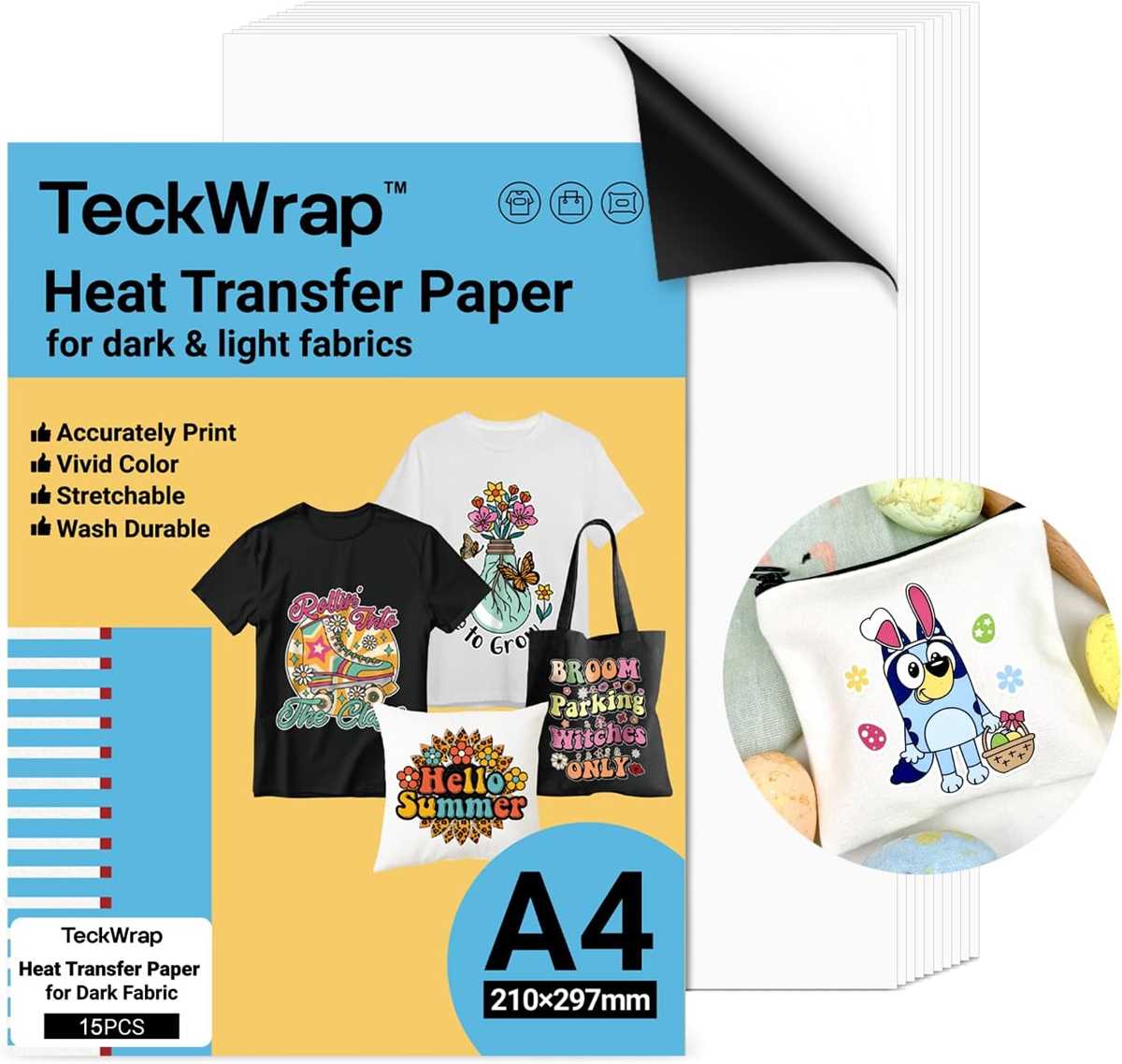
Choose transfer sheets with a smooth surface for vibrant, long-lasting designs. Select the appropriate type based on the fabric you are working with. Light-colored fabrics generally work well with standard transfer sheets, while dark fabrics require a special kind of transfer paper that includes a white backing.
To ensure high-quality results, it’s important to use a printer that supports photo-quality resolution. Laser or inkjet printers can be used depending on the sheet type. Follow the manufacturer’s instructions closely to avoid issues like blurry images or peeling designs after the first wash.
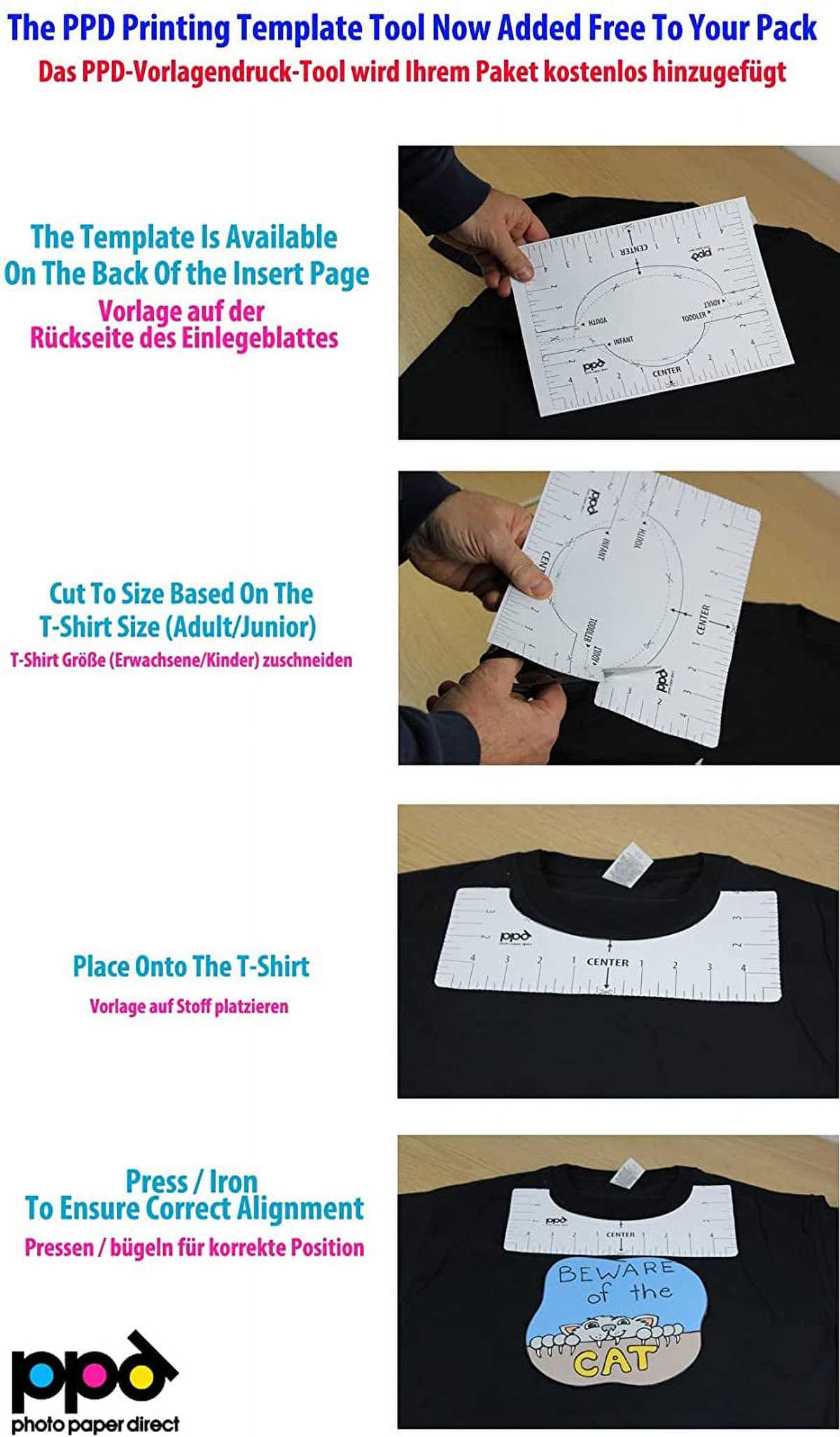
Pre-pressing the fabric before transferring the design will remove moisture and wrinkles. Always place the design face down on the fabric, then use a heat press or iron at the recommended temperature and time. Test a small area first if you’re unsure about the heat settings to avoid damage.
How to Print Designs on T-Shirts Using Transfer Paper
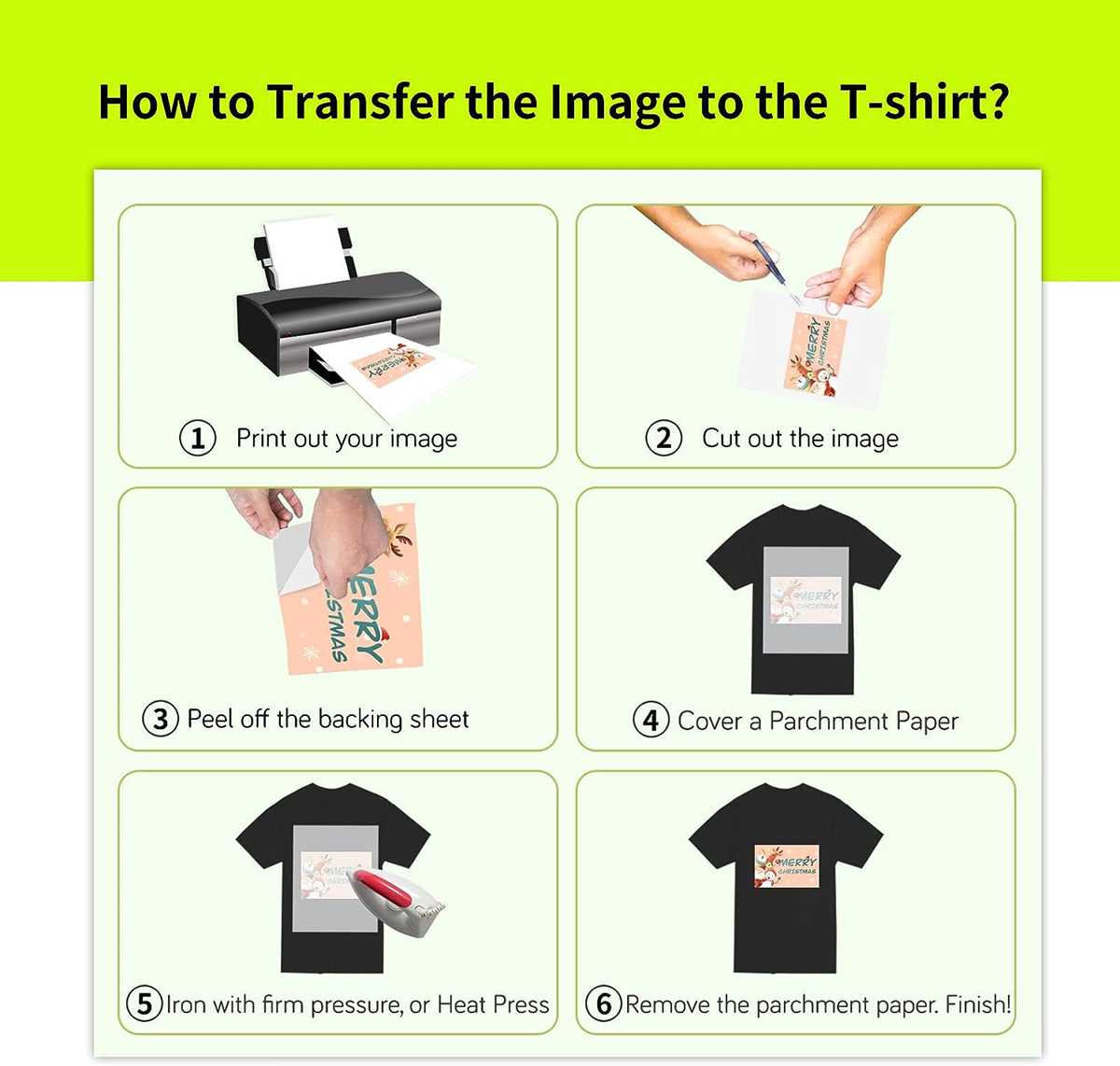
Start by choosing the correct transfer material based on the fabric color. For light fabrics, regular transfer sheets work well, while dark fabrics require special paper with a white backing. Ensure the printer is compatible with the chosen material. Inkjet or laser printers can be used, but verify the paper type for best results.
Before printing, prepare your design in graphic software, ensuring it’s the correct size for your project. Mirror the image if the design has text. Set the print quality to the highest resolution to capture every detail of the artwork. Print a test page to check the image alignment and color accuracy before transferring it to fabric.
Once your design is ready, place the transfer onto the fabric, design side down. Use a heat press or household iron, applying steady pressure and heat for the recommended time. Pre-press the fabric to remove wrinkles and moisture. After the transfer, allow the fabric to cool before peeling off the backing paper to reveal your design.
How to Select the Best Paper for T-Shirt Printing
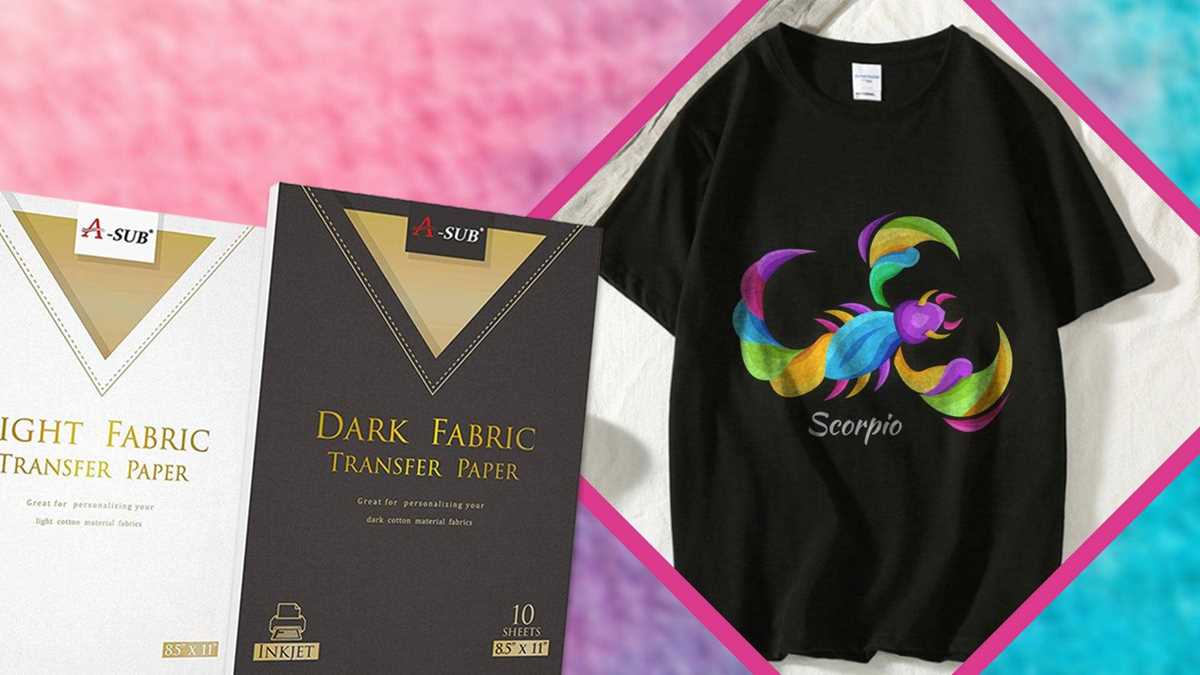
Choose transfer material based on the fabric color. For light fabrics, select standard transfer sheets, whereas dark fabrics require a special paper with a white backing. Ensure compatibility with your printer type–inkjet printers often work best for most transfer materials.
The type of fabric you are printing on plays a critical role in paper selection. Cotton blends and polyester require different materials to ensure a smooth transfer. Check the manufacturer’s recommendations to determine which product works best for your chosen material.
Consider the finish of the design. Glossy transfer options tend to give more vivid colors, while matte options provide a more subtle, soft finish. Both finishes affect the design’s appearance and texture on the fabric. Choose based on the desired final effect.
Weight and thickness of the transfer material are key for durability. Heavier paper is often more resistant to wear, but may affect the flexibility of the design on the fabric. Thin sheets are easier to work with but may not offer long-term durability, especially for frequent washing.
Check the level of opacity the transfer material provides. If you are working with a design that has a lot of light colors, choose paper with higher opacity to ensure that the colors show up clearly. Some sheets are transparent, which may cause lighter tones to fade or blend into darker fabrics.
Look for papers that are compatible with your printing method. Most transfer materials are either suited for inkjet or laser printers, so verify the type of printer you are using. Laser papers usually yield sharper, more durable results, while inkjet sheets tend to work better with intricate designs.
Consider cost-effectiveness. While premium sheets offer superior results, they may be more expensive. If you’re working on a budget, test out lower-cost options to see if they meet your needs before investing in higher-end materials. Test a few designs on a sample first.
Lastly, read user reviews and recommendations. Many online stores provide customer feedback that can help you identify which brands or materials have the best results. This will guide you toward making an informed choice when purchasing your transfer materials for custom designs.