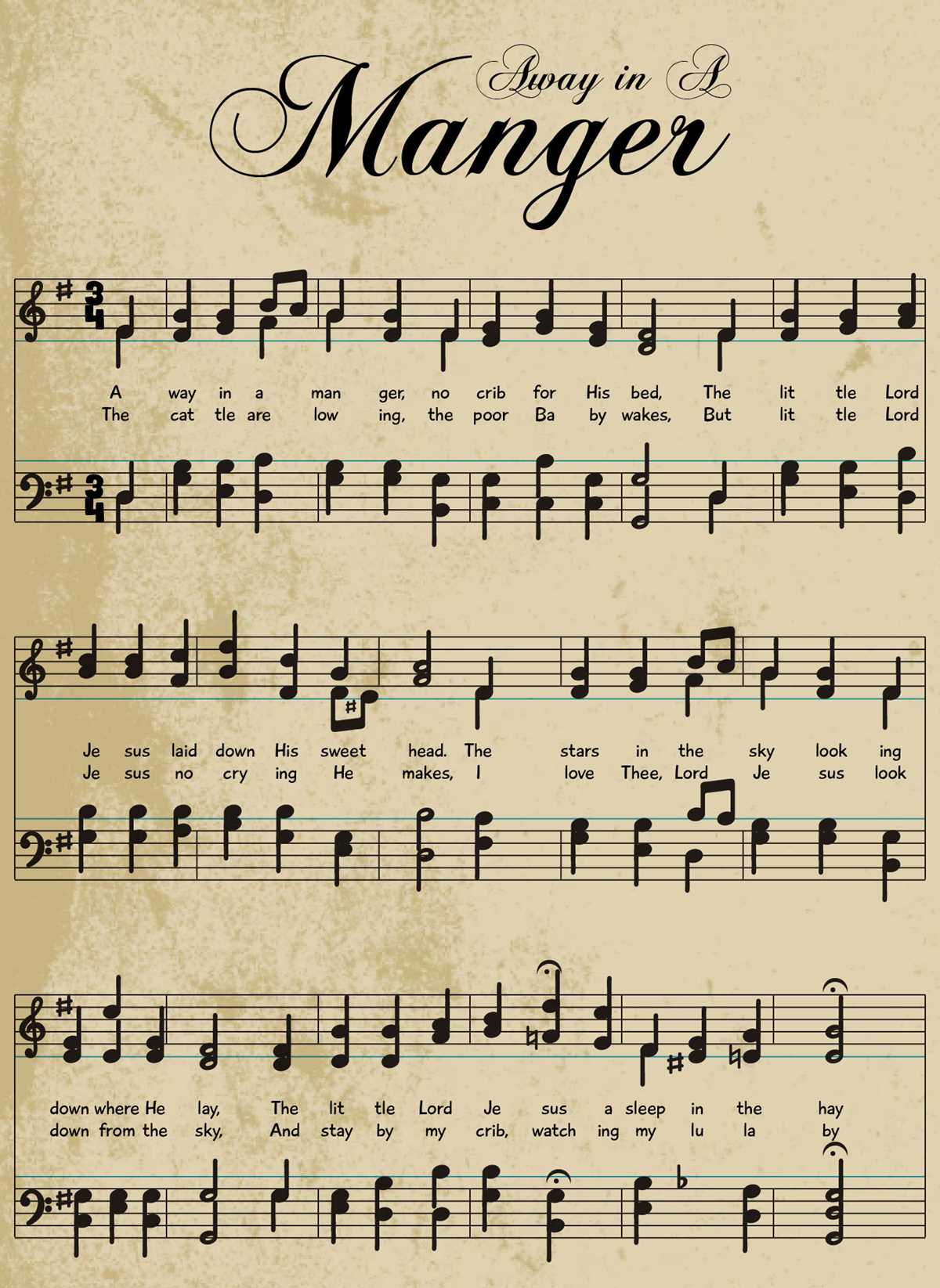
Choose high-resolution scans at 300–600 DPI from public domain archives to ensure clear staff lines and legible lyrics when printing classic seasonal carols from the late 19th and early 20th centuries. Files in TIFF or high-quality PDF format preserve aging paper texture, engraved typography, and original publisher marks, which makes them suitable for framed décor, scrapbooking, or choir practice.
Focus on editions published before 1928 to avoid copyright restrictions and to access ornate covers, decorative borders, and period typefaces. Collections from university libraries and national archives often provide multiple versions of the same hymn, allowing you to compare arrangements for solo piano, SATB choir, or vocal with accompaniment. Check page dimensions–many early publications used sizes close to 9×12 inches–so adjust scaling settings to 100% before sending to print.
For crafting and wall art, select pages with visible patina, publisher emblems, and hand-drawn illustrations. Slight discoloration, foxing marks, and engraved title lettering enhance authenticity when mounted on cream or ivory cardstock of 160–200 gsm. If the file includes marginal notes or library stamps, crop carefully while maintaining the original margins to preserve historical character.
When preparing files for performance, verify tempo markings, dynamic symbols, and lyric spelling, as older engravings sometimes differ from modern hymnals. Cross-reference with authoritative hymn databases to confirm keys and verses. Printing on matte paper reduces glare under stage lighting, while heavier stock prevents page curl during rehearsals.
Curate a cohesive set by selecting carols from the same publisher or decade, such as editions printed between 1880 and 1915. Consistency in engraving style and ornamentation creates a unified aesthetic for seasonal displays, handmade greeting cards, or themed event programs.
Free Vintage Christmas Sheet Music Printables for Crafts and Home Decor
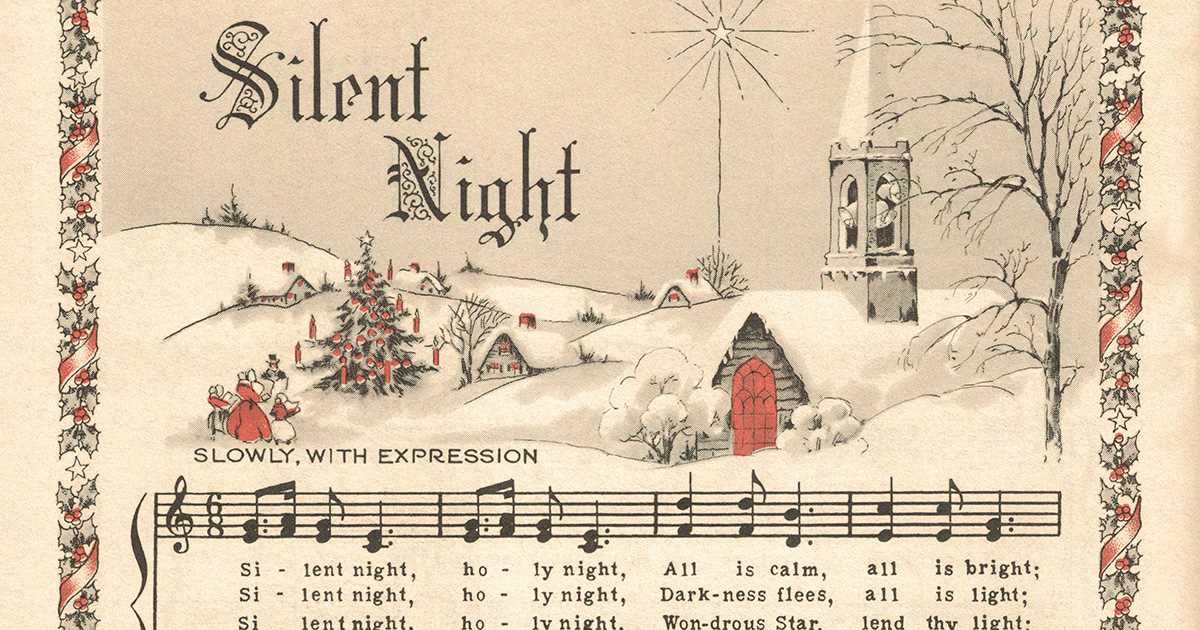
Choose high-resolution scans of antique holiday carol scores at 300–600 dpi and print them on 120–160 gsm ivory or cream paper to achieve an aged appearance without additional staining. Reduce saturation by 5–10% in your printer settings to soften stark black ink, then trim margins to 5–10 mm for framing or découpage. For wall art, scale pages to A3 or 11×17 inches and mount them on 2–3 mm chipboard using acid-free glue to prevent warping and discoloration over time.
For handmade décor, cut excerpts with ornate titles or decorative initials and layer them onto kraft cardstock tags (350 gsm) for gift labels, wreath accents, or garlands. Lightly distress edges with 220-grit sandpaper and apply diluted walnut ink (1:4 ratio with water) along borders for subtle patina. When covering candle holders or ornaments, seal the paper with matte acrylic medium before and after application; this prevents bubbling and protects ink from smudging. Small-scale motifs, such as treble clefs or lyric fragments, work well for napkin rings, table place cards, or drawer liners.
Create cohesive interior displays by pairing framed carol pages with brass frames, linen mats, or reclaimed wood backings. Arrange compositions in vertical sets of three for narrow walls, spacing frames 5–7 cm apart. For furniture accents, line cabinet backs or tray bottoms using archival adhesive and finish with a clear matte varnish. Properly stored flat in acid-free folders, these historical score reproductions remain usable for multiple seasonal projects without tearing or fading.
Where to Find Public Domain Holiday Carols and Verify Copyright Status Before Downloading
Use established public archives that clearly label public domain status and provide original publication data. Reliable sources include IMSLP, Internet Archive, Library of Congress, and CPDL. Filter by publication year (typically before 1929 in the United States for works currently in the public domain as of 2026) and check scan details for first edition dates. Avoid files that list modern editors or recent arrangement credits unless those contributions are explicitly marked as public domain.
Confirm the original composition and arrangement dates before saving any PDF or image file. A carol composed in the 19th century may be public domain, while a 20th-century harmonization or piano reduction may still be protected. Verify:
- Year of first publication
- Name of composer and year of death (life + 70 years rule in many countries)
- Whether the file is a scan of an early edition or a modern re-engraving
- Presence of editor, arranger, or publisher copyright notice
Check jurisdiction rules carefully. In the United States, most works published before 1929 are in the public domain. In the European Union, protection generally lasts 70 years after the author’s death. For example, if a composer died in 1940, rights in many EU countries expired in 2011. When downloading from international repositories, confirm that both the source country and your country of use allow unrestricted reproduction.
Inspect the title page of the scanned score rather than relying on the website description. Look for phrases such as “Copyright 1915” or later renewal notices. If a scan includes a 1910 composition but displays a 1955 arrangement credit, treat the arrangement as protected. Compare multiple archive copies to identify the earliest engraving and verify there are no added editorial markings from later publishers.
Keep a record of the source link, publication year, and composer death date for each downloaded carol. Store screenshots of the archive page showing public domain labeling. This documentation supports lawful reuse for classroom distribution, craft projects, or decorative wall art featuring historical notation.