3D Printable DnD Terrain: Practical Guide for Tabletop Builders
Use 0.16–0.2 mm layer height for most tabletop scenery pieces; this range preserves surface detail while keeping production time manageable. For stone walls and dungeon tiles, PLA with 10–15% gyroid infill works well, while outdoor scenery like trees benefits from 5–8% infill to reduce material use. Always orient flat tiles directly on the build plate to avoid support scars that ruin grid alignment.
Choose modular systems with standardized 25–28 mm grids so miniatures fit naturally without crowding. Builders who mix scales often end up with mismatched door heights and unusable corridors. Before committing to a large batch, produce a single test tile and check miniature clearance, wall thickness (minimum 1.6 mm), and magnet slot tolerances if using snap-fit connections.
Painting workflow matters as much as the model itself. Prime with matte gray to reveal layer lines, then apply a heavy dry brush using two progressively lighter tones. This method highlights stone texture far better than single-coat painting. Seal finished pieces with water-based polyurethane to reduce wear during frequent sessions.
Storage planning prevents damage and saves setup time. Stackable trays with 30–40 mm internal height accommodate most dungeon segments without crushing details. Label sets by environment type–cavern, ruins, tavern–so encounter preparation takes minutes instead of sorting through mixed scenery bins.
Choosing the Right STL Files for Specific DnD Encounter Types
Select files that match the encounter geometry first, not visual style. Tight dungeon fights require narrow corridors (25–32 mm width) and removable doors, while open-field battles benefit from wide base plates and low-profile obstacles that do not block miniature movement. Check mesh integrity in a slicer before committing to long builds; non-manifold edges and thin walls under 1.2 mm often cause failed runs.
Match model complexity to table usage. For frequent skirmishes, pick low-poly sets with flat bottoms and minimal overhangs; they produce faster and survive heavy handling. Reserve highly detailed ruins or multi-part buildings for boss encounters where visual focus matters more than quantity. Always verify scale notes from the designer and compare door height against standard 28–32 mm figures to avoid proportion errors.
Prepare Materials and Paper Settings for Soft Gift Print Sheets
Assemble and Seal Foam Filled Love Note Crafts Without Wrinkles
Store and Package Finished Valentine Gift Sheets for School Exchange
Use matte sticker paper between 120–160 gsm for soft squeeze crafts; thinner sheets wrinkle during filling, while heavier stock resists folding. Print at 100% scale with high-quality mode enabled so outlines stay sharp during cutting. Test one sheet first and check that edges align after folding.
Fill shapes with low-density foam or polyester stuffing rather than cotton pads. Polyfill at about 70% volume keeps the toy compressible and prevents seam stress. Seal edges with double-sided tape strips at least 6 mm wide; narrow adhesive bands tend to peel after repeated squeezing.
3D Printable DnD Terrain: Practical Guide for Tabletop Builders
Use 0.16 mm layers for dungeon tiles and 0.2 mm for large scenic pieces to balance detail and build time.
PLA remains the most predictable material for modular gaming scenery. Keep nozzle temperature near 205°C and bed at 60°C to reduce warping on wide floor plates.
Orient wall sections vertically only when surface texture matters. Horizontal placement usually shortens production time and reduces support cleanup.
Keep wall thickness above 1.6 mm; thinner structures chip during transport and storage.
Dry brush stone textures using two gray tones after priming. This method highlights layer detail without heavy paint buildup.
Use magnet sockets sized for 5×2 mm neodymium discs if you want snap-together layouts. Test fit before mass production.
Group finished pieces in labeled plastic bins by environment type to speed up session setup.
Seal painted scenery with matte acrylic varnish to reduce wear from frequent handling.
Choose Paper Weight and Ink Settings for Learning Cards
Cut and Laminate Color Study Cards Without Edge Peeling
Use Color Recognition Cards in Daily Preschool Activities
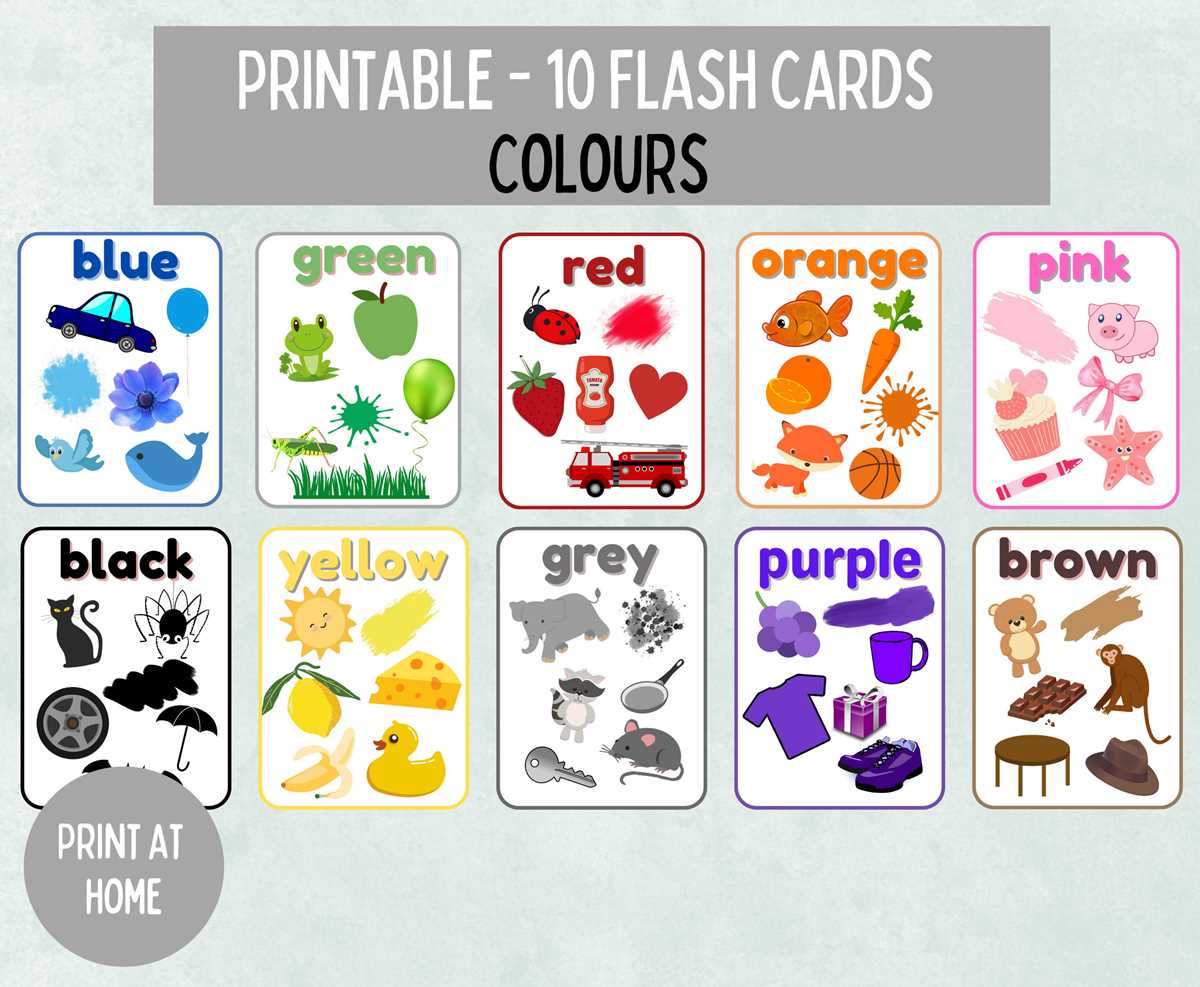
Print learning tiles on 200–250 gsm cardstock to prevent bending during daily use. Set the printer to high-quality mode and disable scaling so each swatch remains uniform across the set. Run one sample page first and compare tones under natural light.
Laminate each piece with 3–5 mil pouches and leave a 2–3 mm plastic border around the edges. This margin keeps layers sealed after frequent handling. Trim corners to a rounded shape to reduce wear inside storage boxes.
3D Printable DnD Terrain: Practical Guide for Tabletop Builders
Use a 0.12–0.16 mm layer height for most tabletop scenery pieces; this range balances surface detail and production time for 28–32 mm scale environments.
PLA works well for stone walls and dungeon tiles because it holds sharp edges and minimizes warping. For parts that must flex slightly–such as clip connectors or modular joints–switch to PETG with 3–4 perimeters. Keep infill between 10–15% for large floor sections; higher density only adds weight without visible benefit on the table.
Focus on modularity first. Builders who design repeatable tiles reduce both filament usage and storage space. Prioritize these elements:
- 2×2 and 4×4 grid floor plates for fast layout changes
- Corner wall segments with embedded magnets (5×2 mm recommended)
- Stackable scatter props under 50 mm height
- Uniform grid alignment at exactly 25.4 mm per square
Before long production runs, slice a single test piece and check three things: connector tolerance (aim for 0.15–0.25 mm clearance), flatness across the base, and support scarring on visible faces. Adjust horizontal expansion in the slicer rather than scaling the model, which preserves grid accuracy.
Choosing the Right STL Files for Specific DnD Encounter Types
Select encounter files based on table footprint first. For tight dungeon fights, choose sets where each tile measures exactly one grid square multiple (25.4 mm units) and includes low-profile walls under 40 mm so players can reach miniatures easily. For wilderness battles, pick files with integrated bases and organic edges; these hide layer lines better and reduce painting time.
Boss arenas benefit from multipart designs with separate elevation pieces. Look for STLs that provide keyed joins and flat underside geometry; these slice cleaner and reduce support usage. Avoid meshes above one million triangles unless you plan heavy editing–oversized geometry slows slicing without adding visible tabletop detail.
Paper Thickness and Ink Settings for Durable Soft Gift Sheets
Step-by-Step Assembly for Filled Squeeze Toy Shapes
Storage and Packaging Ideas for Classroom Distribution
Choose matte photo paper between 170–220 gsm; thinner sheets wrinkle after filling, while heavier stock resists folding.
Use borderless printing at 100% scale to maintain alignment between front and back artwork. Reduce printer saturation to about 90% so ink dries faster and prevents smudging during cutting.
Seal the finished squeeze toy with clear packing tape or laminate film only after checking air gaps. Press from the center outward to remove trapped air and keep the shape smooth.
3D Printable DnD Terrain: Practical Guide for Tabletop Builders
Keep wall thickness near 1.6 mm for most gaming scenery; this equals four perimeters with a 0.4 mm nozzle and produces sturdy yet lightweight pieces.
Use tree supports for arches and overhangs above 55 degrees. They detach faster and leave fewer marks on stone textures compared with grid supports.
Magnet sockets should measure 5.2 mm for standard 5 mm discs. Tighter holes often crack during insertion.
Arrange parts diagonally on the build plate when possible. This spreads layer seams and reduces visible vertical lines on flat walls.
Large floor plates print cleaner with a 5 mm brim. Remove it immediately after cooling to avoid edge stress.
Prime finished pieces with gray filler spray rather than standard primer; it hides layer steps and reduces paint coats.
Dry-brushing works best with stiff makeup brushes. Use three tones: dark base, mid gray pass, then a light edge highlight.
Store completed sets in shallow plastic bins with foam separators. Vertical stacking chips corners over time.
Best Paper Weight and Lamination Methods for Study Sheets
How to Organize Hue Sets for Daily Practice Sessions
Games That Reinforce Shade Recognition at Home
Print learning sheets on 200 gsm cardstock to prevent bending during daily use.
Set the printer to high-quality mode with true RGB output so each hue appears distinct. After printing, round the corners with a 5 mm punch; sharp edges wear quickly in classroom use.
Laminate with 3–5 mil pouches and leave a 2 mm seal border. This keeps moisture from entering and extends lifespan during repeated handling.
3D Printable DnD Terrain: Practical Guide for Tabletop Builders
Use a 0.4 mm nozzle for most tabletop scenery; switch to 0.6 mm only for large rock formations where fine detail is less visible.
Set wall line count to four and top layers to six. This combination prevents light bleed through thin roof pieces.
For modular dungeon tiles, keep grid squares at exactly one inch. Even a 1–2% scale shift causes misalignment during play.
Enable ironing on flat stone floors. It smooths the top surface and reduces sanding time.
When printing tall towers, slow outer wall speed to 25–30 mm/s. Faster speeds introduce ringing along vertical edges.
Paint in thin acrylic layers rather than one heavy coat. Thick paint fills sculpted cracks and reduces visual depth.
Label storage boxes by biome type–dungeon, village, cavern–to speed table setup between sessions.