
Start by printing out a collection of designs featuring shamrocks, leprechauns, and gold coins to create unique home decorations. These templates can be used to quickly assemble garlands, paper ornaments, or framed artwork for the season.
For a fun activity with children, choose simple cutting and coloring templates that allow them to decorate their own festive pieces. Print designs like hats, rainbows, or pots of gold, which can be turned into wall hangings or playful cards.
If you want to create personalized gifts, consider using these designs to make greeting cards or gift tags. With the right colors and accessories, even basic paper cutouts can be transformed into beautiful, custom items that stand out.
St. Patrick’s Themed Ideas for DIY Projects
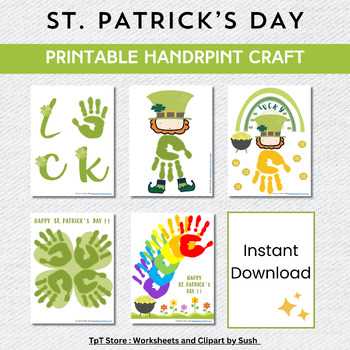
Start with a simple paper garland by printing shamrock shapes, cutting them out, and stringing them together with twine. This decoration can be easily hung along mantels, doorways, or windows, adding a festive touch to your home.
Another fun option is creating a pot of gold using cut-out templates of coins and filling a small paper or cardboard pot with these gold shapes. This can serve as a fun centerpiece or a small gift for others, especially when paired with a personalized note.
For children, try creating a color-your-own activity sheet featuring rainbows and lucky clovers. Print out a template and give kids markers or crayons to color in the design. These creations can be displayed on the fridge or turned into custom cards for loved ones.
Consider using printable designs to make greeting cards. A simple design featuring a leprechaun hat or clover can be printed on cardstock, folded, and used to create charming, festive cards for friends or family members.
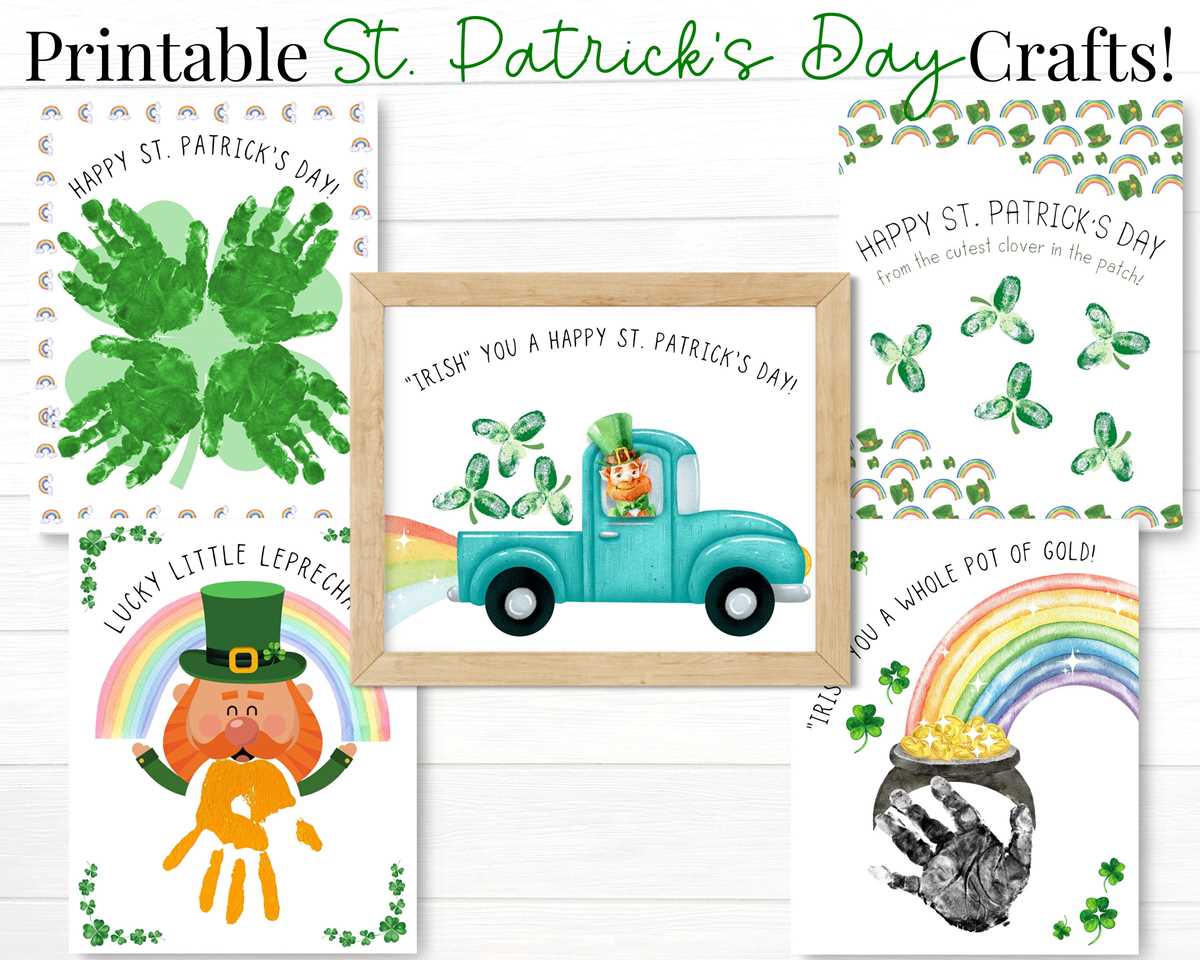
Use templates of leprechauns or other themed characters to create small 3D figures. After cutting out the pieces, glue them together to make a charming decoration that can sit on a shelf or be used as part of a larger holiday display.
Finally, if you enjoy crafting with fabric, print patterns that can be transferred onto fabric. You can create fabric banners, pillow covers, or even tea towels to celebrate the season with a practical twist. These fabric items can be sewn or ironed onto fabric for a lasting touch.
How to Print and Prepare St. Patrick’s Day Craft Templates
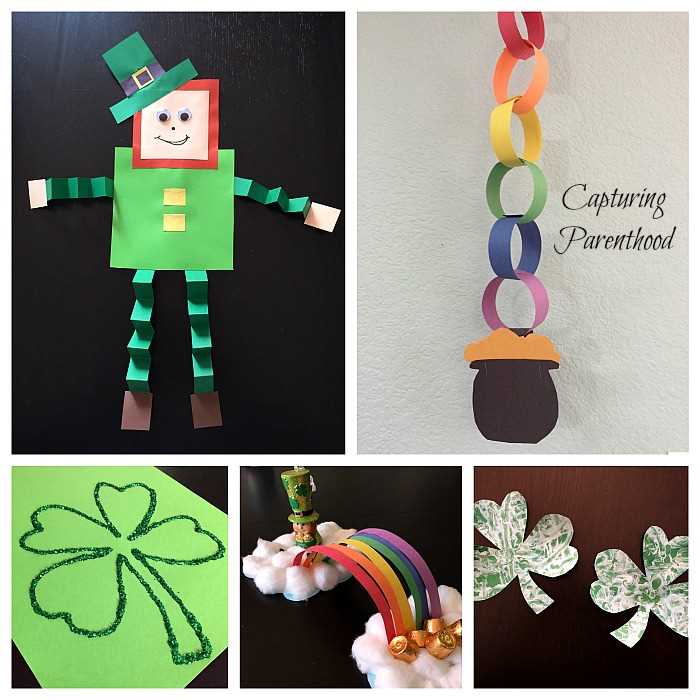
Begin by selecting the designs you want to use, such as shamrocks, leprechauns, or rainbows. Look for high-quality templates that fit the purpose of your project. Make sure the designs are clear and sharp to avoid any blurriness when printed.
Once you have the template, open the file on your computer. Ensure that the document is set to print at actual size, or choose the correct scaling option to match your paper dimensions. If printing multiple pages, check the layout to ensure that all parts fit on the page correctly.
For best results, use thick, white cardstock. It holds up better than regular paper, making your finished project sturdier. Load the cardstock into your printer and adjust settings for the type of paper you’re using, ensuring the printer recognizes it properly.
Before printing the entire set of designs, consider doing a test print on a standard sheet of paper. This will allow you to check alignment, colors, and size. Adjust the settings if necessary to ensure everything looks just right.
Once the templates are printed, use a good pair of scissors or a craft knife to carefully cut along the outlines. For intricate designs, a craft knife offers more precision. Be mindful of small details to avoid cutting into the design area.
If your project requires folding or assembling, fold the printed pieces carefully along the marked lines. Use a bone folder for crisp, clean folds, especially when working with thicker paper that might otherwise crease unevenly.
If you plan to glue or tape parts together, make sure the pieces are completely dry before assembling. Use glue sticks or craft glue for better control and a cleaner finish. Hold the parts together for a few seconds until the glue sets.
Finally, organize all your printed pieces into sections according to the steps of your project. Keep them in order to avoid confusion during assembly. Consider storing unused templates in a folder for future use, keeping them in good condition for later crafting sessions.