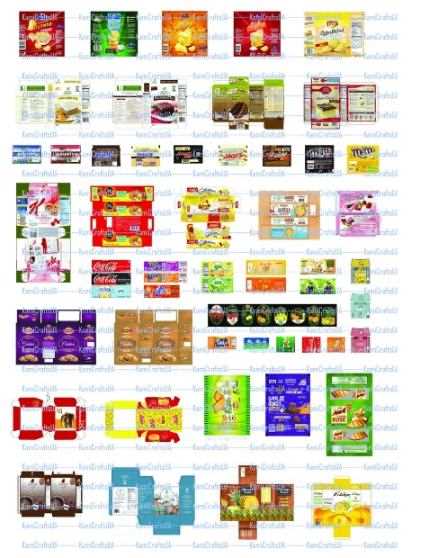
To create lifelike tiny items for your artistic ventures, start with clear, precise patterns that allow you to cut and assemble the pieces with ease. When choosing the right shapes and sizes, consider accuracy and scalability, especially when replicating real-world objects. Pay close attention to proportions, as even small deviations can alter the overall look. Print your designs in high resolution to ensure sharp, clear edges that simplify cutting and assembling.
If you’re using a standard printer, opt for materials that can handle fine details, such as high-quality card stock or paper. These options will hold their shape and resist wear and tear, making them perfect for crafting delicate objects. For more complex designs, use tools like precision scissors or a craft knife to ensure every detail is sharp and precise.
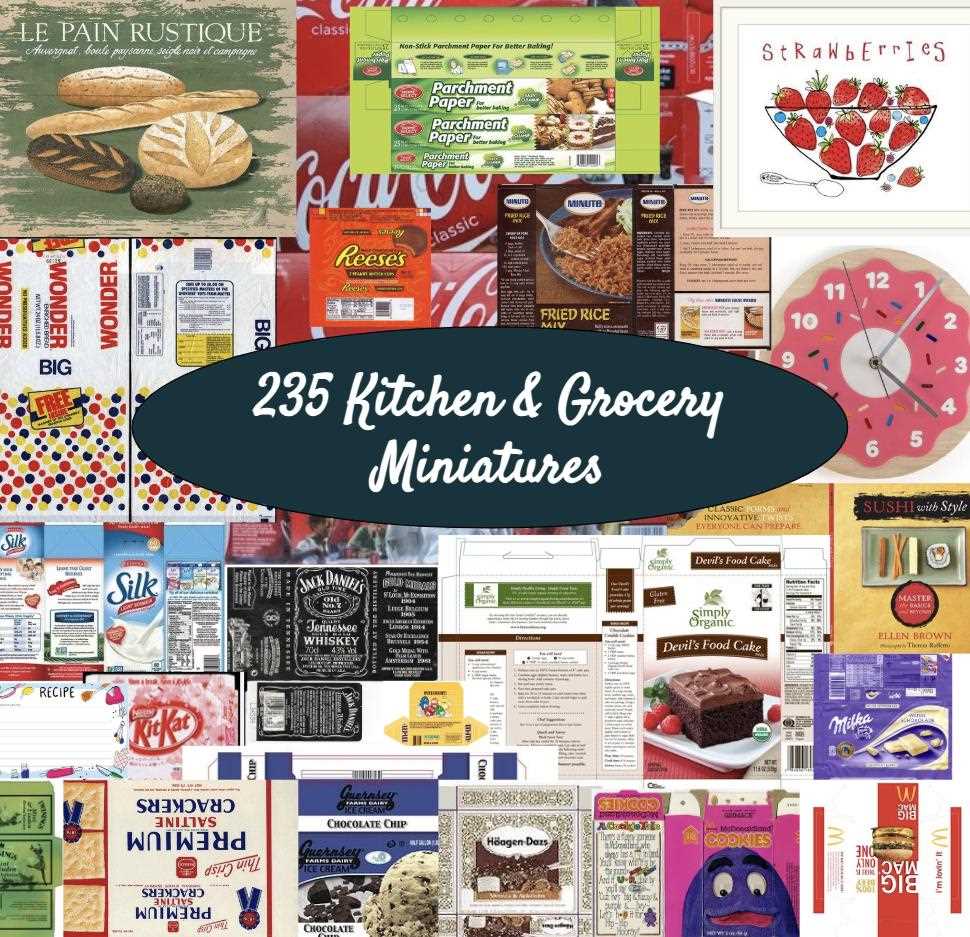
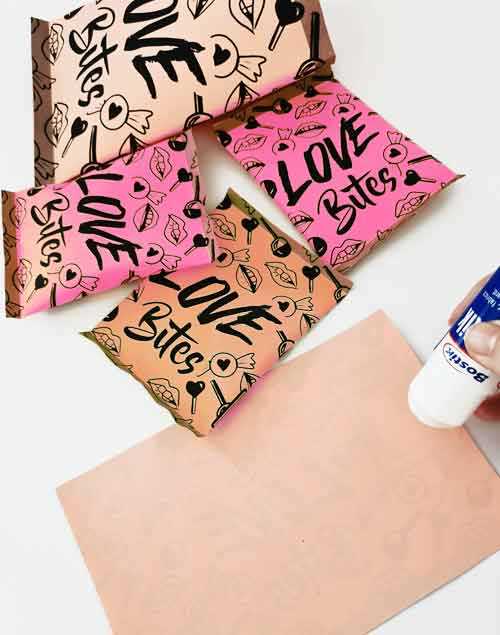
Another tip is to experiment with layering for added depth. By stacking different parts of the design, you can give a three-dimensional effect to your creations, making them more realistic and dynamic. Additionally, consider enhancing the pieces with paint or markers to add color and texture after assembly. This extra step can elevate even the simplest items into detailed works of art.
Designing Realistic Miniature Cuisine Models
For creating lifelike dishes in small-scale craft projects, detailed blueprints can be invaluable. Choose designs that provide the precise cut-out shapes and sizes that suit your needs. Start with options that reflect a variety of textures such as bread crusts, glossy sauces, or layered desserts. Search for patterns with accurate depictions of fruit, vegetables, and meats to ensure your creations maintain realistic proportions and aesthetics.
Ensure that the quality of the design file is high to capture every minute detail. Look for designs that offer layered elements, like stacking or cutting pieces, which allow for greater depth and authenticity. Focusing on designs that incorporate elements like baked goods with textured surfaces or intricately decorated pastries can bring out the best in your models.
- Opt for designs that focus on intricate details to ensure depth in every component.
- Choose dishes that include different textures like crisp and soft materials.
- Prioritize versatility for both savory and sweet representations, ensuring variety.
Choosing the Right Paper and Printer for High-Quality Models
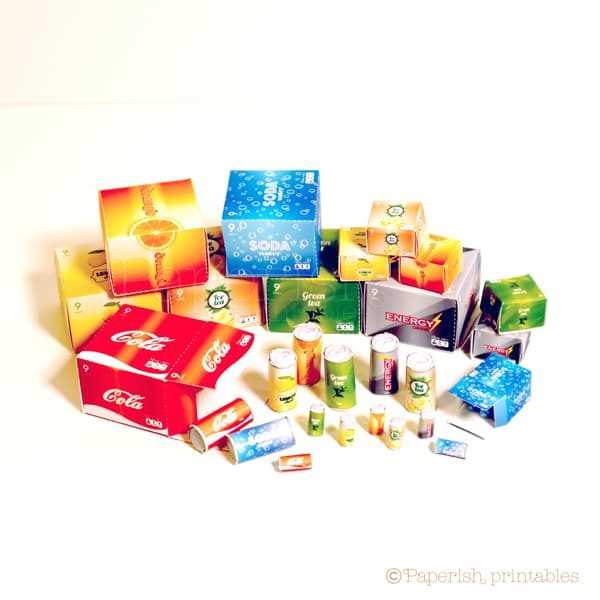
To achieve crisp, realistic designs, select high-quality paper such as glossy or satin photo paper with a weight of at least 200 gsm. This type of paper provides the ideal balance between durability and print clarity, ensuring that your prints retain fine details and vivid colors.
The paper should have a smooth surface to prevent ink from bleeding or smudging. Heavyweight options also help maintain the model’s shape and give it the sturdiness needed for handling, particularly when you want your creation to last for a long time without losing its structure.
The right printer plays a pivotal role in achieving sharp results. An inkjet printer with a high DPI (dots per inch) rating of 1200 x 1200 or more ensures that colors are rendered accurately, with fine detail in small-scale designs. It’s also wise to choose printers that offer individual ink cartridges to reduce waste and allow for more precise color control.
Ink quality should not be overlooked–opt for pigment-based inks as they provide greater longevity and resistance to fading compared to dye-based inks. Combining high-quality paper, a precise inkjet printer, and reliable ink will make a significant difference in the quality and realism of your printed models.