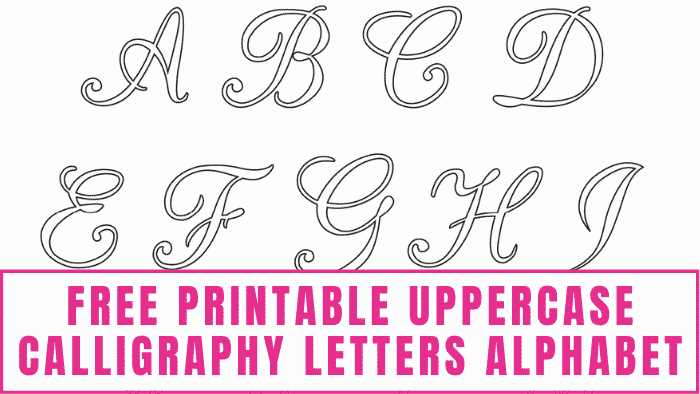
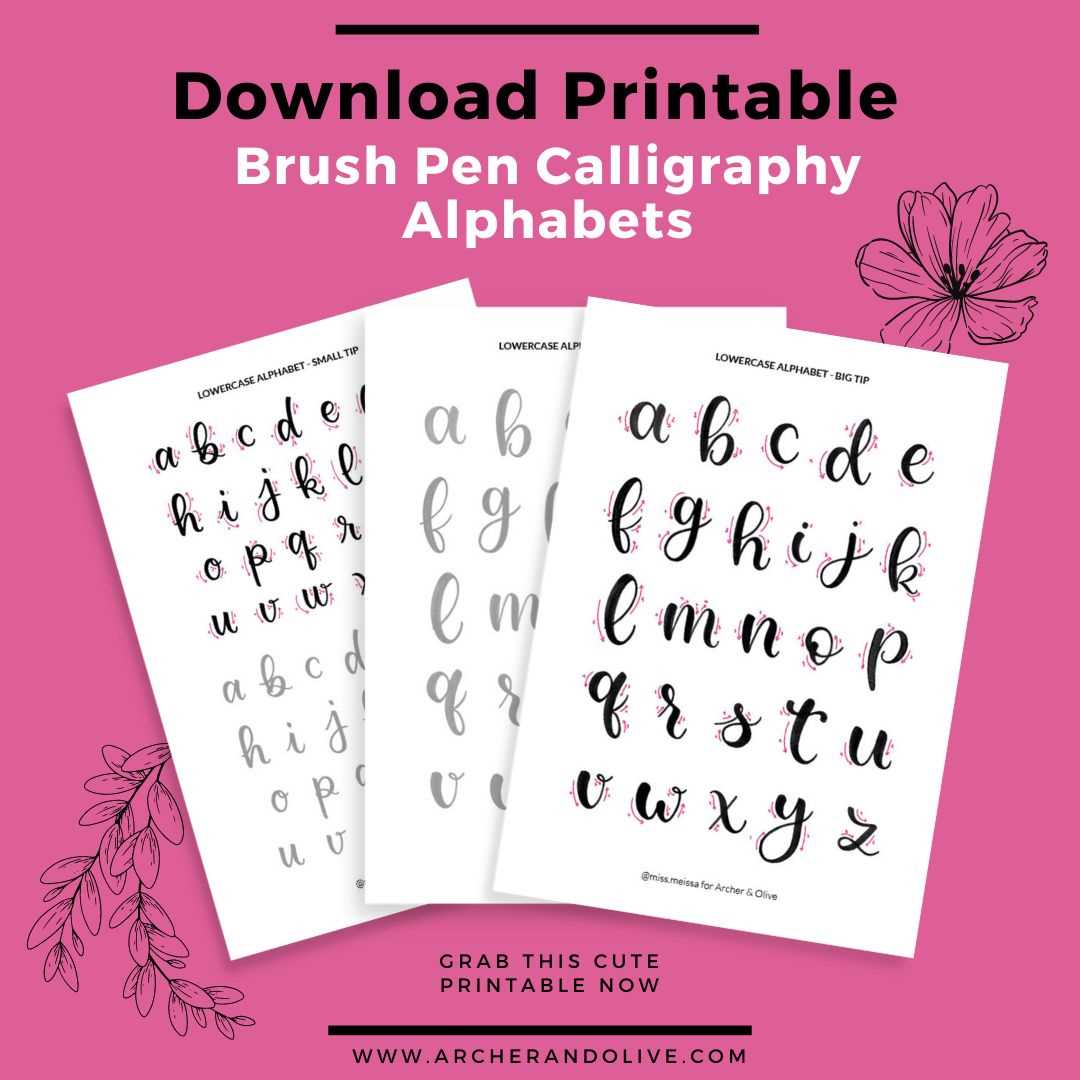
If you want to practice beautiful letterforms without investing in expensive supplies, you can easily use free downloadable templates. These resources offer a variety of styles, from modern to traditional, allowing you to focus on perfecting your technique without worrying about designing the letters yourself. Simply print them out and start tracing over the lines to improve your handwriting.
Start by selecting a template that matches your current skill level. If you’re a beginner, opt for simple, straight-lined fonts that focus on basic strokes. For more advanced practitioners, try templates with ornate curves or flourishing elements. The key is to build up your confidence by practicing the fundamentals first, then gradually incorporating more complex details.
When printing, make sure to use high-quality paper that won’t bleed through when you use markers or ink pens. Adjust the size of the letters on your printer if necessary to match the paper size, so you can easily trace each character without feeling cramped. Keep in mind that consistent practice with these sheets will lead to noticeable improvement over time.
Mastering Elegant Letterforms with Printable Templates
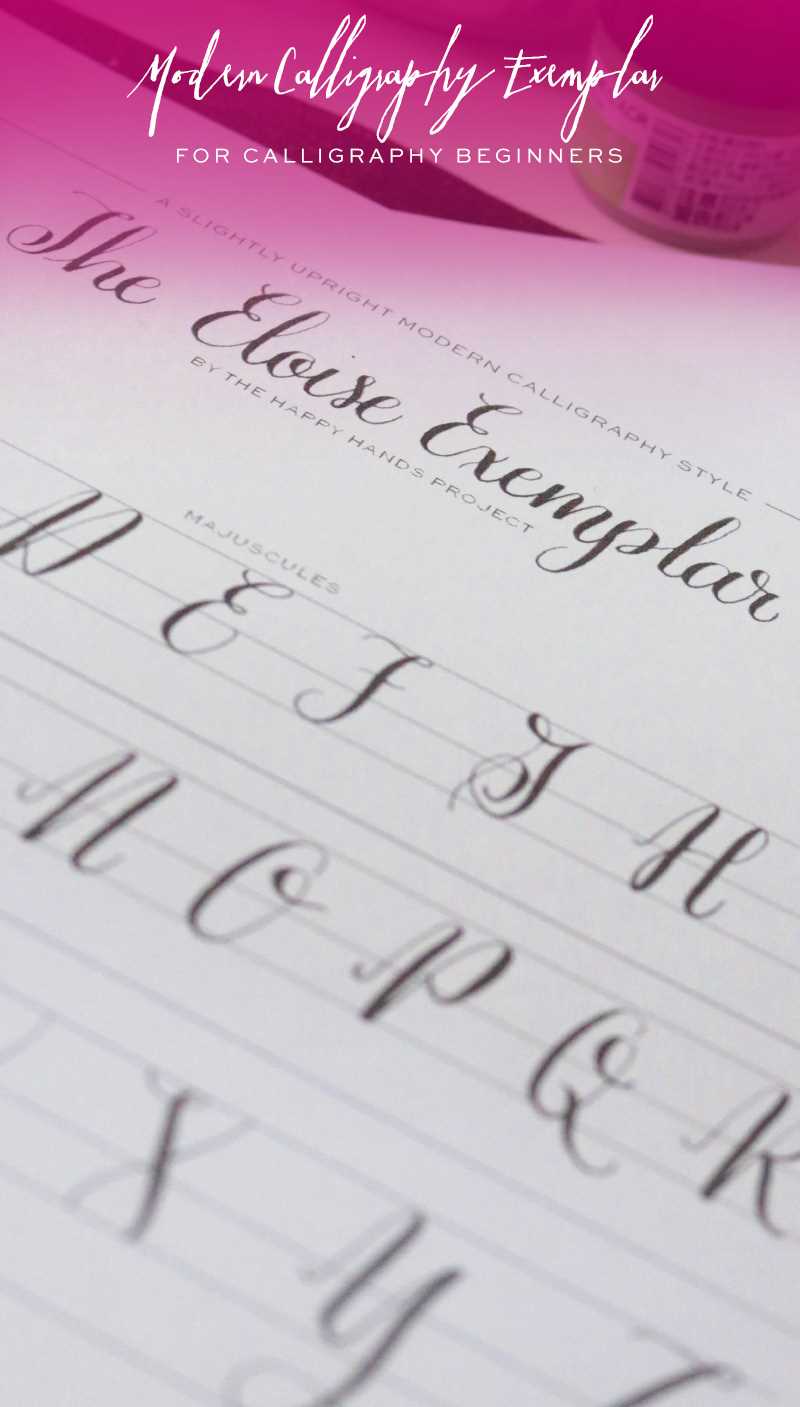
Selecting a simple template is the fastest way to begin refining your writing style. Focus on clear, bold lines to practice the basic shapes of each character. Once you’re comfortable with the structure, gradually incorporate more intricate designs, such as loops and flourishes, to add flair to your work.
For those seeking to add a personal touch to their work, look for sheets that allow space for custom modifications. You can trace the provided strokes and then experiment by adding unique elements like swirls or connecting strokes. This process helps develop a distinctive style and gives a sense of ownership to your practice sessions.
Consistency is key when working with these resources. Aim to repeat the exercises daily, focusing on accuracy and fluidity. The more you practice, the easier it will be to move away from tracing and start writing freely in the same elegant manner. This method can also improve your pen control and muscle memory over time.
How to Choose the Right Alphabet Calligraphy Style for Your Project
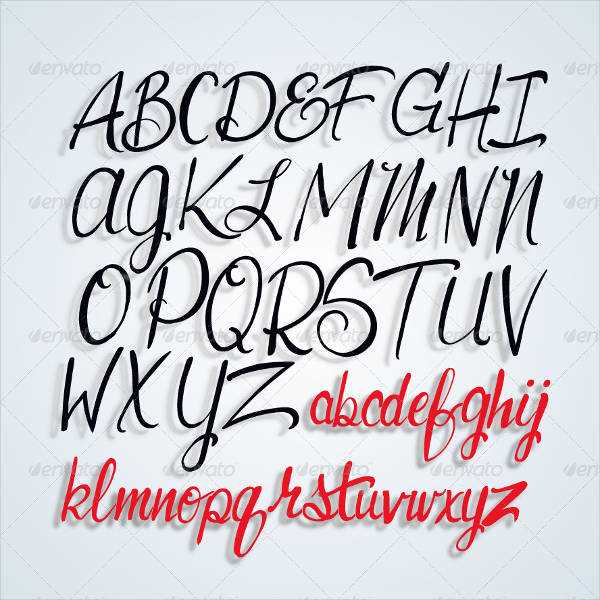
Start by identifying the purpose of your project. If it’s a formal invitation or certificate, consider using a traditional, serif-based design. This will create an elegant and timeless feel. For a more casual or creative project, try modern or minimalist lettering styles that are simple and clean.
Next, think about the overall aesthetic you want to achieve. A more ornate script with flourishes will convey sophistication and grandeur, while a clean sans-serif style offers a more contemporary look. Match the style to the tone of your project for a cohesive result.
Consider your audience and their preferences. If the project is for a formal event, you might want to stick to classic, structured designs. On the other hand, if your work is meant for a younger or more artistic crowd, playful and experimental letterforms can make a bold statement.
Evaluate the readability of the font you’re selecting. For projects that require text-heavy designs, opt for simpler, well-spaced fonts that are easy to read. If your project is decorative or short in text, you can experiment with more intricate scripts.
Look for templates that suit your current skill level. Beginners should start with fonts that have clear, straightforward strokes, while advanced practitioners can explore complex, embellished letterforms. This allows you to practice at your pace while building upon your skills.
Don’t forget about the tools you’ll be using. Some letter styles require specific pens or brushes to achieve the desired effect. If you’re using a marker, stick to bolder, blocky fonts. If you’re using a fine-tipped pen, a more delicate script will work best.
Think about how your design will be displayed. If it will be framed or used in a physical medium, a bolder and thicker script may work better. For digital use, where clarity is important, opt for sharper, crisper lettering styles that will maintain their quality at different sizes.
Lastly, consider experimenting with a few different styles before committing to one. Print out a few templates, test the designs with different tools, and see which one feels right for the project. This hands-on approach will give you confidence in your choice and ensure the final product is exactly what you envision.