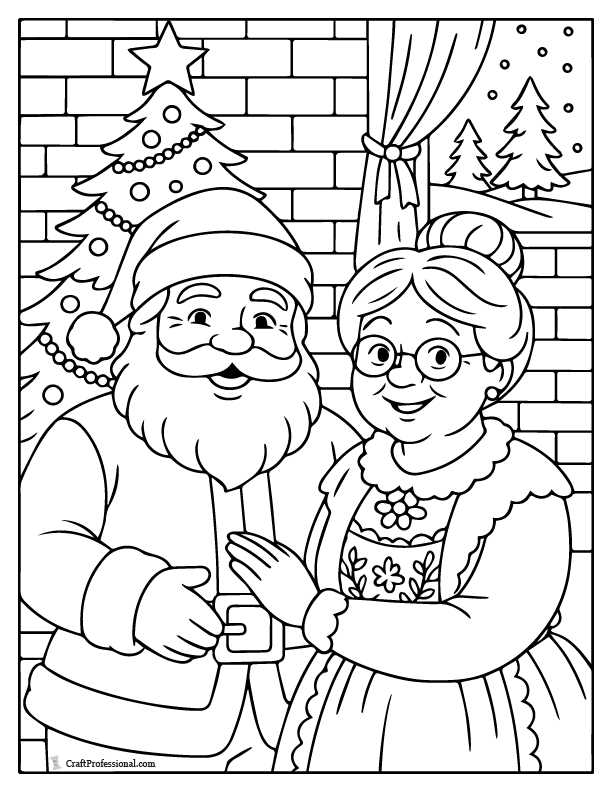
Choose high-resolution holiday drawing sheets with greeting lettering formatted in A4 or US Letter at 300 DPI to avoid blurred outlines and jagged curves. Files in PDF ensure correct scaling, while PNG with transparent background works well for custom layouts. For home printers, set scaling to 100% and disable “fit to page” to keep proportions accurate, especially for detailed typography and decorative borders.
Select designs based on age and motor skills: for preschoolers, use bold outlines at least 2–3 mm thick with large open areas (minimum 1.5 cm wide) to prevent frustration. For older children and adults, pick intricate compositions with fine line weight under 1 mm, shadowed lettering, mandala-style frames, snowflakes, ornaments, and winter characters. Sheets that combine greeting phrases with icons such as reindeer, fir trees, stockings, and gift boxes provide balanced visual density and maintain engagement for 20–40 minutes per session.
Use paper weight between 120–160 gsm for markers and gel pens to reduce bleed-through; standard 80 gsm copier paper is sufficient for colored pencils and wax crayons. If metallic or watercolor accents are planned, switch to 180–200 gsm matte stock. Smooth finish enhances fine lettering details, while lightly textured paper improves pigment grip for layered shading techniques.
Organize a small set of 5–8 themed illustrations with varying complexity rather than printing dozens at once. Store them in transparent sleeves to keep edges flat and prevent toner smudging. Pair each sheet with a limited palette of 6–12 coordinated hues–red, pine green, gold, silver, icy blue, and warm brown–to achieve cohesive seasonal artwork suitable for greeting cards, classroom décor, or framed wall accents.
Printable Merry Christmas Coloring Pages for Kids and Adults at Home
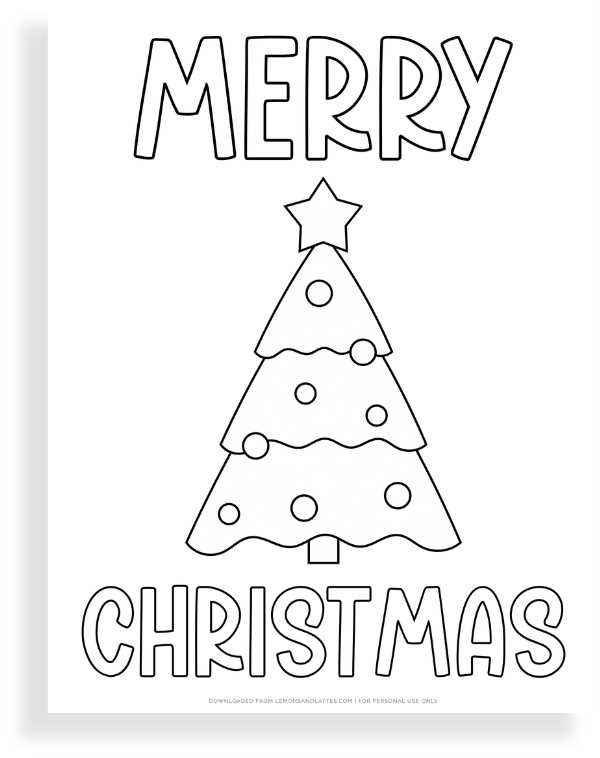
Choose A4 or US Letter sheets with 300 DPI resolution and clear black outlines for sharp results on home printers; this prevents blurred edges and ink bleeding. For children under 6, select large contour drawings with wide closed shapes and minimal small деталей, while teens and adults benefit from intricate holiday scenes with fine linework and repeating patterns that allow shading and blending.
Use standard 80–100 gsm paper for crayons and dry pencils, and switch to 160–200 gsm cardstock for markers or gel pens to reduce show-through. If using alcohol-based markers, place a protective sheet underneath and print designs single-sided only. Adjust printer settings to “high quality” and disable “fit to page” scaling to preserve proportions and avoid distorted ornaments or lettering.
For younger kids at home, prioritize simple festive motifs:
- Decorated pine trees with 8–12 large ornaments.
- Smiling snow figures with bold scarves and hats.
- Gift boxes with wide ribbon bands suitable for solid fills.
- Cartoon reindeer with thick outlines.
For adults and older children, choose detailed winter compositions that support advanced techniques such as layering, burnishing, and light blending. Mandala-style wreaths, city street scenes with shop windows, fireplace interiors, and patterned stockings provide enough micro-elements to spend 1–2 hours per sheet. Fine-tip colored pencils (0.7–1.0 mm core) help control tiny areas like garlands and snowflakes.
Organize home sessions with a clear structure:
- Limit each activity to 20–30 minutes for preschoolers and up to 60 minutes for older participants.
- Prepare a color palette of 5–8 shades to avoid chaotic results.
- Use masking tape to secure paper to the table and prevent wrinkling.
- Store finished artwork flat under light weight to prevent curling.
To add variety without extra cost, print the same festive design at different scales: 70% for greeting card inserts, 100% for standard sheets, and 140% across two pages for wall décor assembled with invisible tape from the back. Black-and-white laser prints work best for crisp outlines, while inkjet models produce deeper blacks on matte paper.
Encourage creative modifications at home by mixing materials: metallic pens for stars, white gel ink for snow highlights, soft pastels for background glow, and glitter glue applied sparingly on ornaments. Display finished holiday artwork on doors, refrigerators, or string lines with wooden clips to create a cohesive seasonal corner without purchasing additional decorations.
How to Choose the Right Printable Merry Christmas Coloring Pages by Age, Skill Level, and Theme
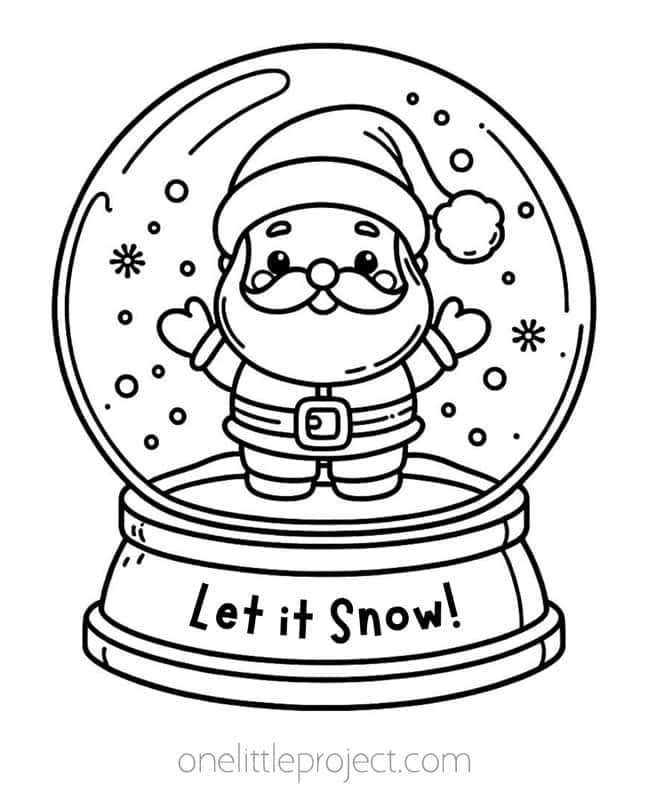
Choose simple line art with large shapes and thick outlines for children aged 3–5; select sheets with 5–10 main elements, wide spacing between objects, and minimal background detail. Preschoolers manage best with bold contours (at least 2–3 mm stroke width) and recognizable holiday symbols such as trees, gift boxes, and snowmen. For ages 6–8, increase complexity to 15–25 smaller sections per illustration, add patterned scarves, ornaments, or brick fireplaces to support fine motor development. Preteens benefit from intricate compositions containing 40+ segments, layered backgrounds, and detailed textures like knitted sweaters or decorated interiors.
Match difficulty to skill, not just age. A child who presses hard with crayons and stays within lines can handle denser artwork with overlapping shapes and thinner outlines. If frustration appears after 10–15 minutes, reduce detail density and avoid micro-patterns smaller than 5 mm. For beginners, prioritize open spaces that allow markers without bleeding into adjacent areas. Advanced artists can work with grayscale shading guides or mandala-style holiday motifs that require controlled pencil pressure and color blending.
Theme selection shapes engagement. For toddlers, focus on single-character scenes: one Santa figure, one reindeer, or a decorated tree centered on the sheet. Early elementary children respond well to narrative scenes–gift exchanges, snowy village streets, or cookie decorating tables–because they can assign colors based on story logic. Older kids and teens often prefer typography-based greetings with ornamental lettering, winter landscapes with perspective, or culturally specific imagery such as Scandinavian gnomes or nativity scenes. Rotate themes weekly to maintain interest during the holiday season.
Paper choice affects results. Use 120–160 gsm stock for markers to prevent warping and bleed-through; standard 80 gsm works for crayons and colored pencils if pressure is moderate. Single-sided designs are better when using alcohol markers. If the artwork will be displayed on walls or doors, print on matte heavyweight paper (200 gsm) to avoid curling and reinforce corners with adhesive backing. Always preview at 100% scale before printing to keep proportions accurate and ensure small decorative elements remain colorable.