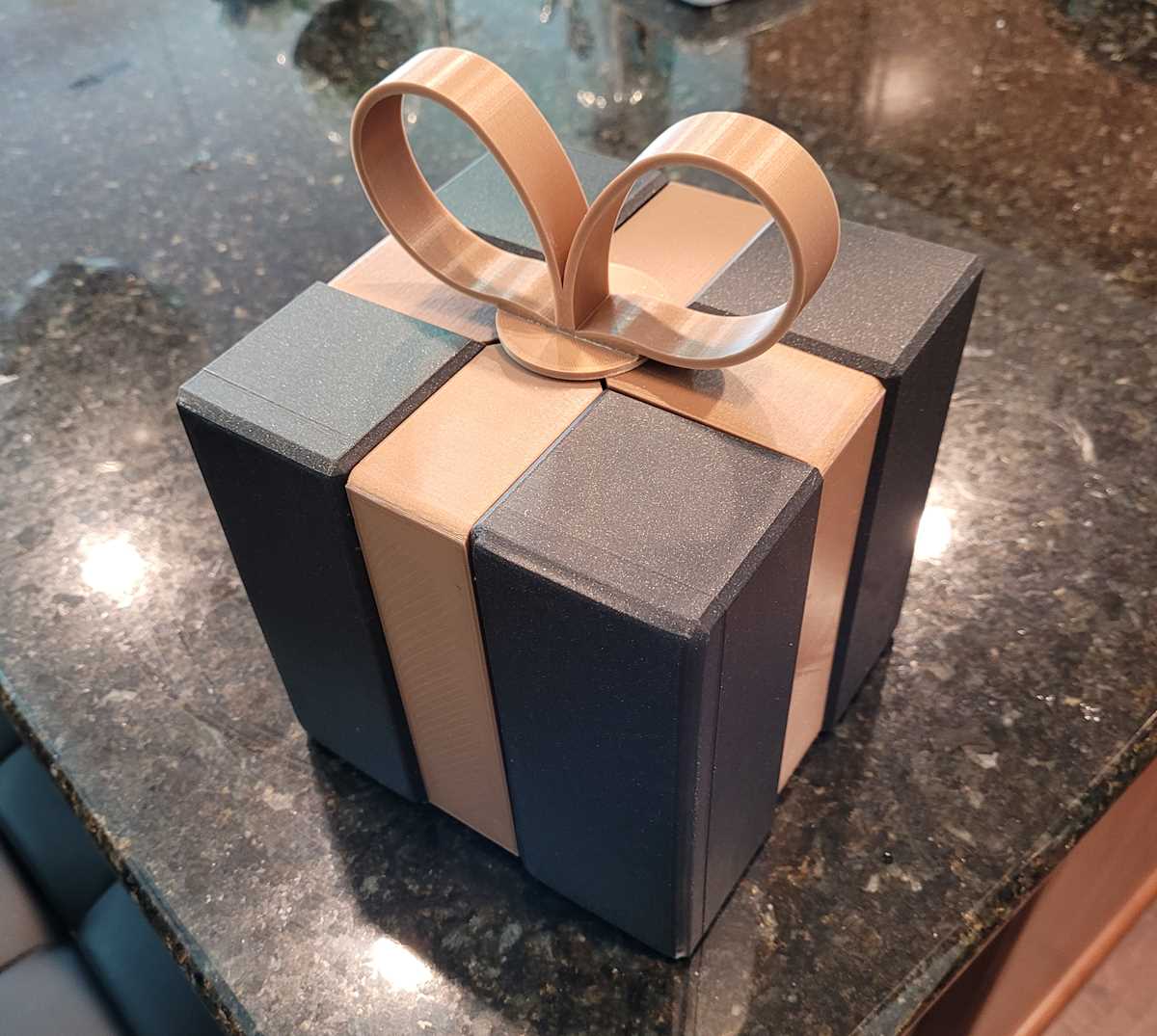
If you’re looking to make a unique presentation for a special item, designing your own container using a 3D printer can be a great option. Start by selecting the appropriate material, as this will affect both the durability and aesthetic of your creation. PLA plastic is a common choice for its ease of use and clean finish, while ABS offers more strength for larger structures.
When designing your container, pay attention to the dimensions and fit for the contents. Ensure there’s enough space inside, but not too much, so your item is secure. Many 3D design tools allow for precise measurements, so make use of these to avoid mistakes. If you’re new to 3D design, there are plenty of free templates available online that can be customized to your preferences.
After designing the structure, be sure to test the model before finalizing your print. Some printers have limitations on the size of the object they can produce, so consider the scale of your design accordingly. A quick test run with a smaller model can save you time and materials before you proceed with the final version.
3D Container Creation Guide
To create a personalized container for your special items, start by selecting the right design software. Free tools like Tinkercad or Fusion 360 are user-friendly and offer a variety of templates that can be customized to fit your needs. These tools allow you to adjust dimensions, add patterns, and create intricate details for a truly unique result.
Choosing the right material is key for durability and appearance. PLA is a good option for lightweight designs, while PETG provides additional strength and flexibility for more substantial creations. If you’re aiming for a polished finish, ABS may be the best choice due to its smooth texture, though it requires higher printing temperatures.
When designing, ensure your structure fits the object it is meant to hold. Use precise measurements and account for tolerances in your design to avoid a loose or overly tight fit. Many design programs allow you to check the dimensions in real-time, which can help reduce errors.
If you want to add a personal touch, experiment with different textures and patterns. Adding details such as geometric patterns, embossed designs, or personalized messages can elevate your creation. There are multiple free resources online offering patterns that you can adapt to your model.
After the design is complete, it’s time for printing. Depending on your printer’s specifications, you may need to adjust your model’s scale. For larger containers, break the design into multiple parts to avoid potential issues with printing and material limitations.
Before committing to a full-size print, always perform a test run. Print a smaller version or a prototype to check the quality of your design and the printing process. This can help you identify any adjustments needed in the fit, appearance, or overall integrity of your creation.
Once your print is complete, it’s time to assemble and finish. If you printed multiple pieces, carefully fit them together and use glue or clips if necessary. You can also smooth the surface with sandpaper or paint to give it a polished, high-quality finish. This final step will ensure your creation looks great and functions as intended.
Choosing the Right Material for 3D Printed Containers
When selecting material for your container design, consider the intended use and desired durability. For decorative or lightweight applications, PLA (Polylactic Acid) is a popular choice. It’s easy to work with, has good print quality, and provides a smooth finish. However, PLA can be brittle, so it’s not ideal for heavy-duty or outdoor items.
For more durable and flexible results, PETG (Polyethylene Terephthalate Glycol) is a better option. It offers excellent impact resistance and is more flexible than PLA, making it perfect for functional items that require resilience. ABS (Acrylonitrile Butadiene Styrene) is another great choice for items that will be exposed to heat or outdoor environments, as it’s more heat-resistant and robust but requires a heated print bed and higher print temperatures.