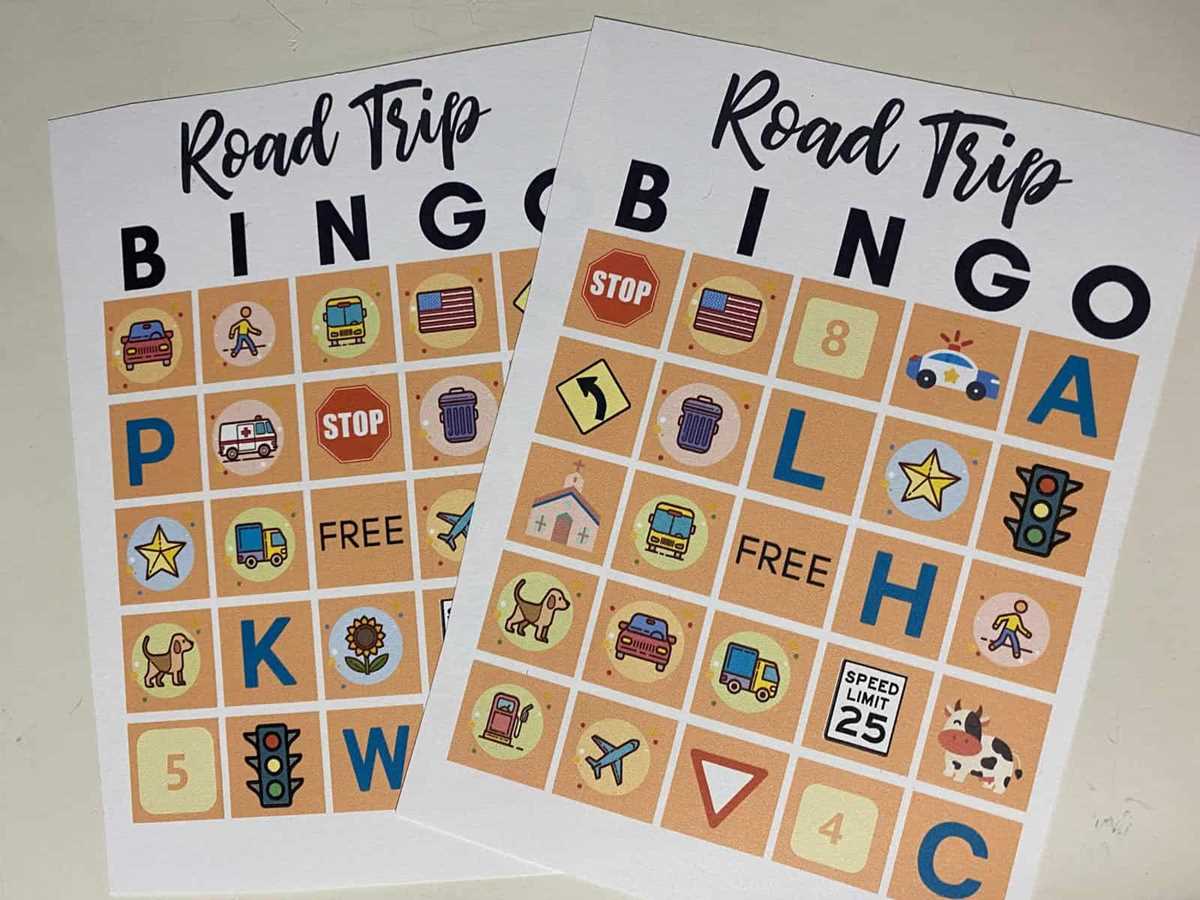
Choose ready-made marking card sheets in A4 PDF with a 5×5 grid and 2–3 cm cells to ensure symbols remain clear after printing. Use 200–250 gsm cardstock for durability and laminate if the sheets will be reused more than 10 sessions. For home inkjet printers, set scaling to 100% and disable “fit to page” to keep cell proportions accurate and avoid distorted layouts.
Select themes that match the child’s age and learning target: alphabet grids with upper- and lowercase pairs for ages 4–6, addition and subtraction within 20 for early primary, sight-word sets with 24 unique terms per sheet for reading fluency practice. Limit each card to 24 filled squares plus one free space to maintain balanced probability and steady pacing during group play.
Prepare at least 30 distinct card variations per set to prevent repetition in classrooms of 20–25 participants. Randomize symbol placement across sheets rather than shifting rows manually; this reduces duplicate line patterns and keeps outcomes unpredictable. For visual clarity, use high-contrast palettes such as black text on pastel backgrounds and maintain a minimum 18 pt font size.
Distribute reusable counters–plastic chips 2 cm wide or paper circles cut with a 1.5-inch punch–to fit standard grid cells without overlap. Store printed sets in labeled envelopes by theme and difficulty level, and keep a master call sheet with sequential numbering to track drawn items. This structure supports quick setup, clear rules, and measurable learning progress.
Bingo for Kids Printable Cards and Game Setup Guide
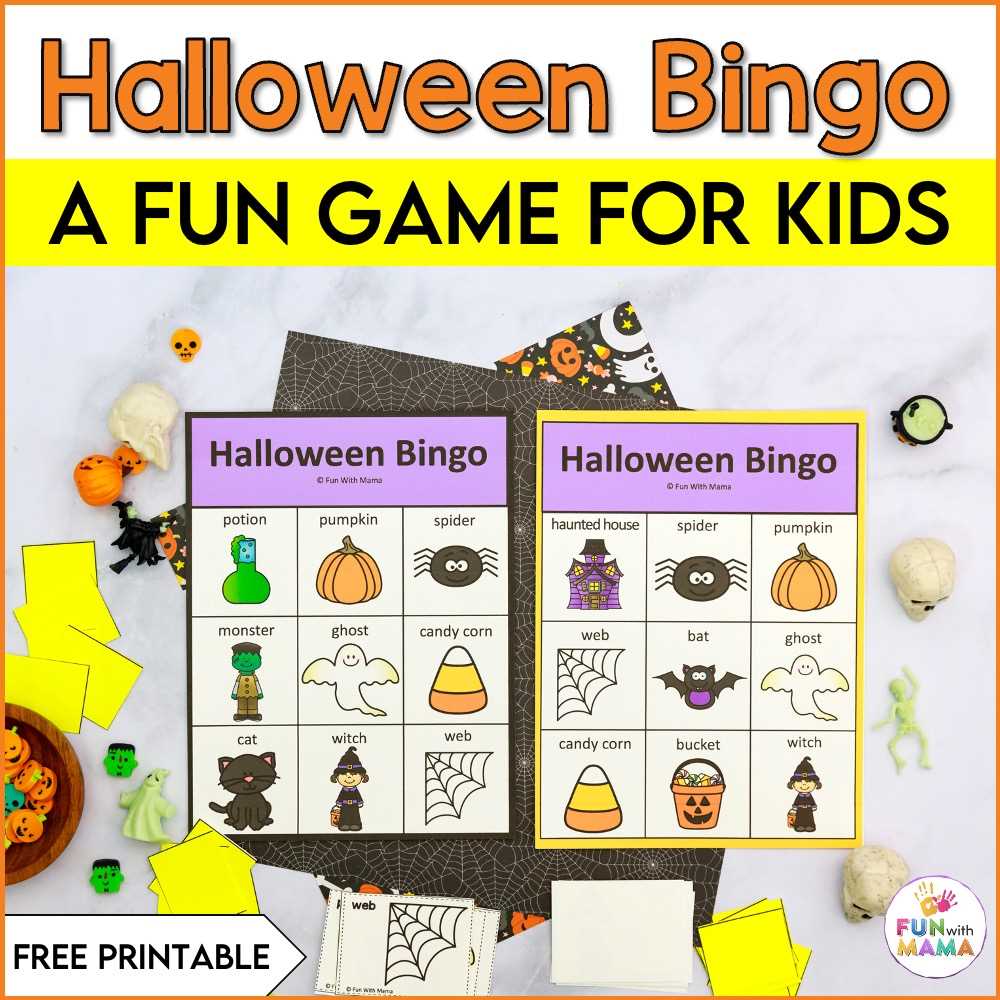
Choose 4×4 grids with 16 cells for preschool groups and 5×5 grids with 25 cells for early elementary classes; this balance keeps rounds under 10–15 minutes and maintains attention. Use 200–250 gsm cardstock to prevent bending and print at 100% scale with margins set to “none” so symbols align evenly. Prepare at least 20 unique boards for a class of 15–18 participants to reduce duplicate wins and keep results fair.
Fill each board with a single theme per session: sight words (24–30 high-frequency terms), simple addition facts up to 20, animal images, or color–shape combinations. Limit repeated images to no more than three occurrences across the full set to avoid predictable patterns. Place a free center square only in 5×5 layouts; omit it in 4×4 versions to maintain challenge.
Cut cards with a guillotine trimmer for straight edges and laminate with 80-micron pouches if reuse is planned. Provide 1.5–2 cm diameter counters; flat glass pebbles or thick paper chips prevent sliding. Avoid markers on unlaminated sheets, as ink bleed can obscure symbols and shorten usability.
Assign one caller and prepare draw slips sized 3×3 cm, folded twice to conceal content. Shuffle thoroughly in an opaque container and announce items clearly, repeating once at a steady pace of one call every 5–7 seconds. Set a clear winning rule before play: full row, four corners, or blackout; changing the rule mid-round leads to disputes.
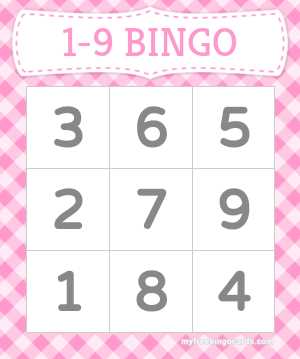
After each round, collect boards, reshuffle draw slips, and rotate seating positions to reduce collaboration between neighbors. Track winners on a visible score sheet and limit sessions to three rounds per lesson block to prevent fatigue. Store sorted boards in labeled envelopes by theme and grid size for quick setup in future sessions.
How to Design Age-Appropriate Printable Bingo Cards with Clear Layout and Balanced Symbol Distribution
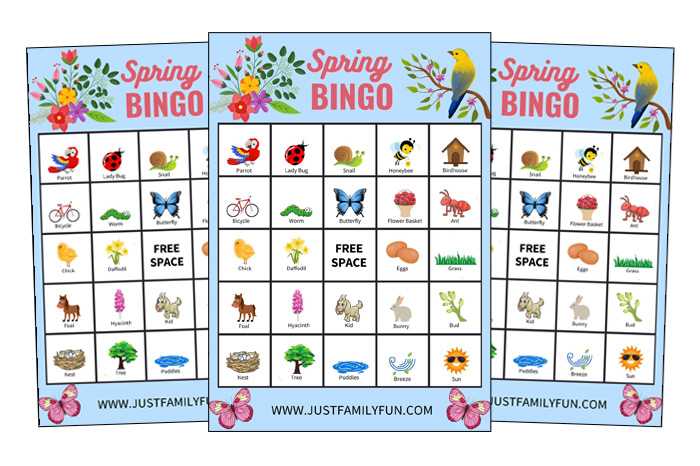
Use a 3×3 grid with large cells (at least 5 × 5 cm each) and no more than 9 distinct images for preschool learners aged 3–5; switch to a 4×4 grid with 16 unique icons for ages 6–8; apply a 5×5 matrix with 24 images plus one free space for ages 9–12. Keep margins at a minimum of 10 mm to prevent trimming errors, and set line thickness between 1.5–2 pt so the grid remains visible after home printing. Choose sans-serif fonts sized 18–24 pt for early readers and 14–16 pt for older children. Maintain high contrast (dark text on white background or black outlines around colored icons) to support readability under classroom lighting.
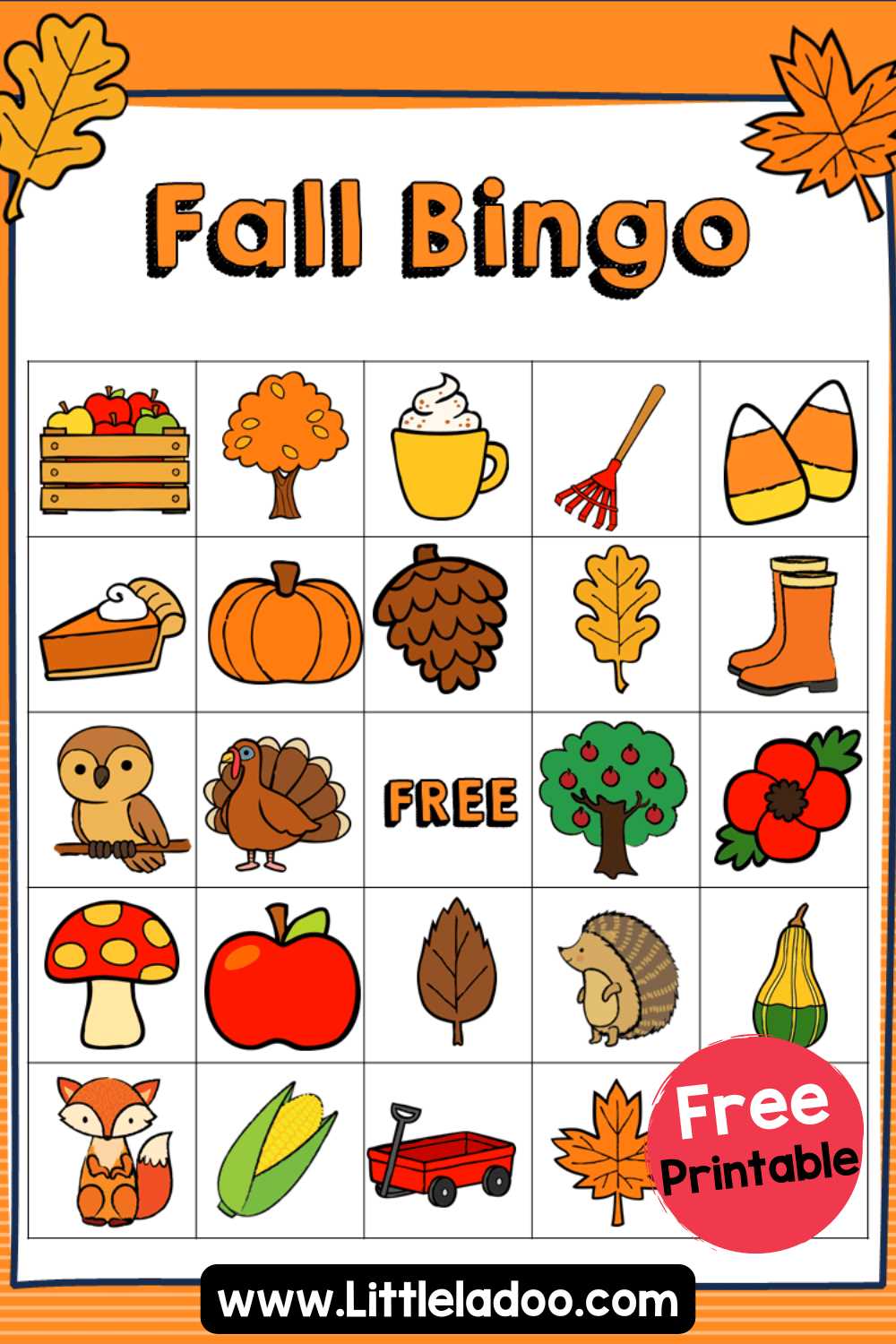
Distribute symbols evenly to avoid clustering similar shapes or themes within the same row or column. Limit repeating visual categories per line to one instance (for example, only one animal, one object, one food item per row). Apply the following balance rules:
- No identical image appears more than once on a single card.
- Each row and column contains a mix of at least three different categories.
- Diagonal lines do not repeat more than two items from the same color group.
- Across a full card set, each symbol appears approximately the same number of times (variance not exceeding ±1).
Adjust visual density according to age: younger children process fewer elements at once, so leave at least 8–10 mm internal padding inside each square and avoid detailed illustrations with thin lines below 0.5 pt. For primary school groups, moderate detail is acceptable, yet keep icon styles consistent in stroke width and perspective. Use a restrained palette of 4–6 colors per sheet to reduce distraction, and test by printing one sample page at 100% scale to confirm alignment and legibility before producing the full classroom batch.