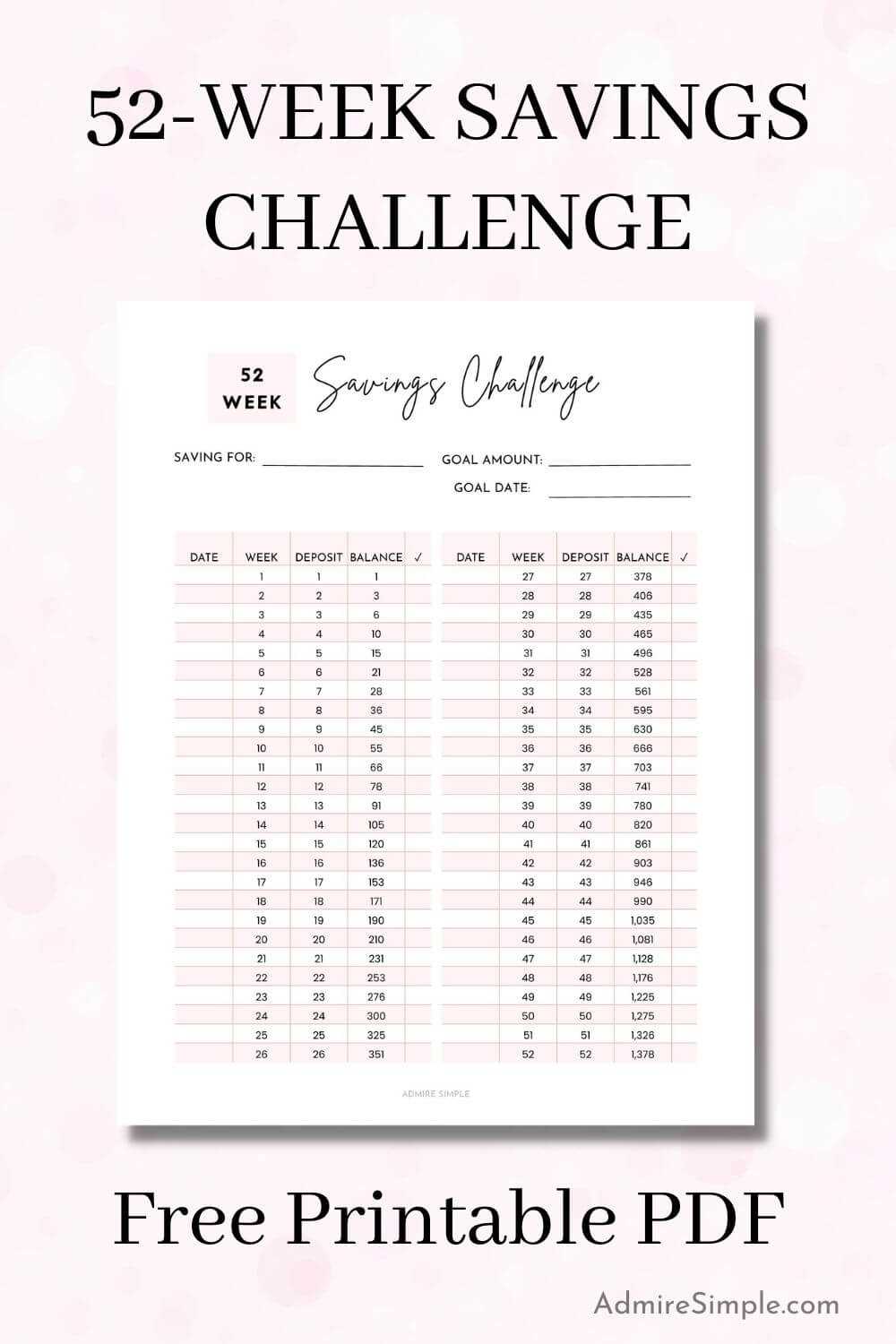
Start by selecting a plan that matches your financial goals. If you’re aiming for short-term targets like saving for a vacation or a gadget, smaller, weekly amounts are ideal. For long-term objectives, consider a more gradual approach, allowing you to save larger sums over time without feeling burdened.
Track your progress with a simple chart or template, where you can see your savings grow week by week. This visual progress helps maintain motivation and keeps you on track. Keep your records clear and up to date, noting exactly how much you’ve set aside each week.
Lastly, stick to a routine. Consistency is key in building a strong fund. Create a habit of contributing to your goal regularly. Whether you automate your savings or set a reminder to do it manually, sticking to your plan will ensure that you don’t lose momentum.
How to Use a Savings Challenge to Build Your Fund

Start by setting a clear goal for what you want to achieve. Whether it’s saving for a big purchase or building an emergency fund, define a target amount. Break it down into manageable weekly or monthly contributions that align with your budget.
Choose a method to track your progress. Use a simple table, chart, or online tool to monitor your deposits. Regularly updating your progress not only keeps you accountable but also motivates you to stay committed to the plan.
Make saving a habit by setting a reminder each time to add to your fund. Consistency is key–small amounts saved regularly will add up quickly over time, making it easier to hit your goal without feeling overwhelmed.
Choosing the Right Plan for Your Goals
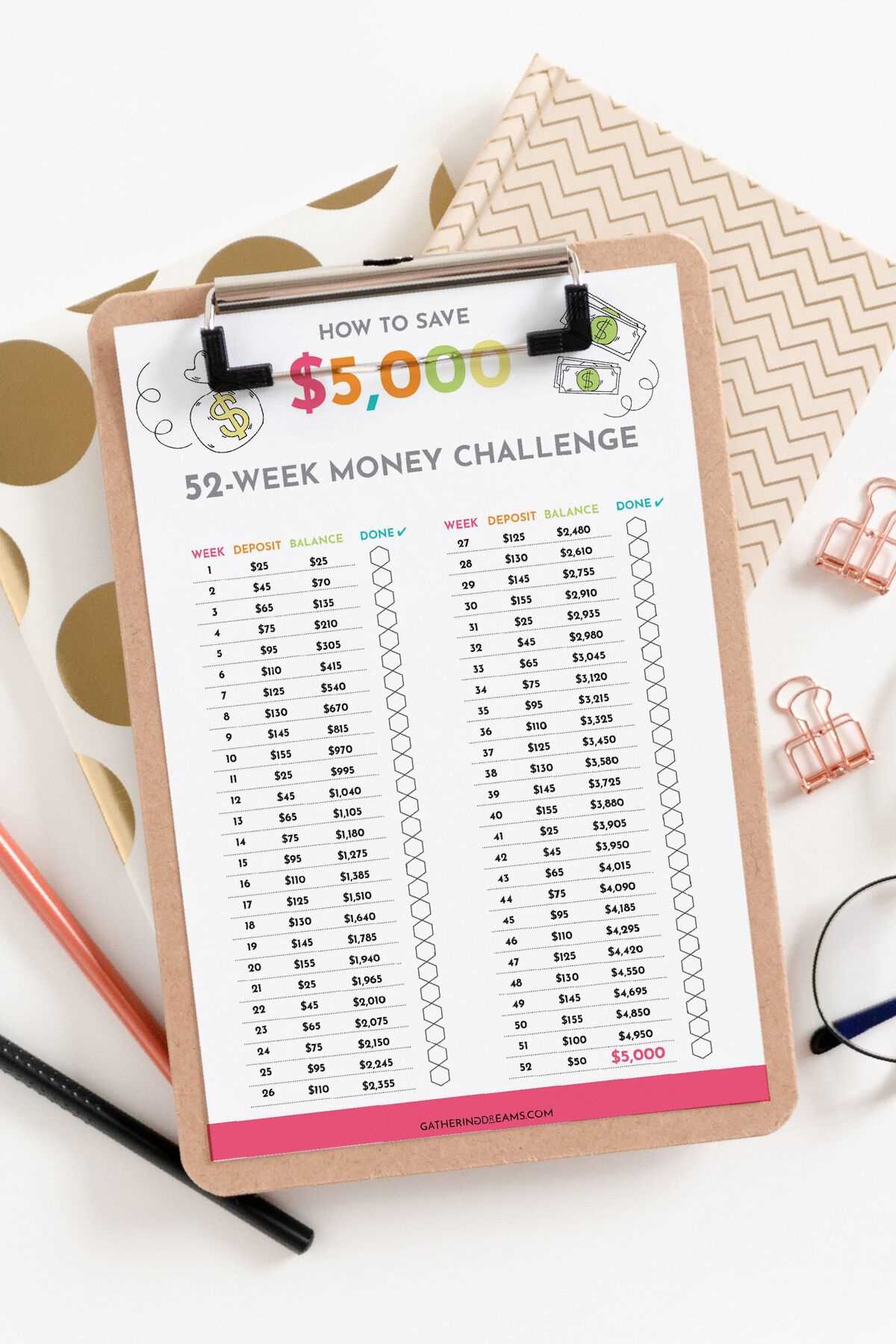
To begin, determine the purpose of your fund. Are you preparing for a large purchase, building an emergency buffer, or saving for a vacation? This will help guide the amount and timeline you set for your goal. Each objective may require a different approach to reach it effectively.
Next, decide how much you can contribute comfortably without overextending your budget. For long-term goals, smaller, consistent deposits can work well, while short-term goals may require larger, more frequent amounts. Analyze your monthly income and expenses to set realistic targets.
Consider the timeframe for your goal. If you have a few months to save, a higher monthly contribution may be required. However, if you have more time, you can spread out your savings to make it easier to manage. Make sure your plan fits your financial situation.
Automate your contributions where possible. Set up recurring transfers to your designated account, ensuring consistency without manual effort. This helps you stay on track, especially for long-term goals where it can be easy to forget or delay saving.
Lastly, review and adjust your plan as needed. Financial circumstances change, so it’s important to remain flexible. Check in periodically to see if your savings are on track, and make adjustments if necessary to ensure you’re still progressing toward your target.