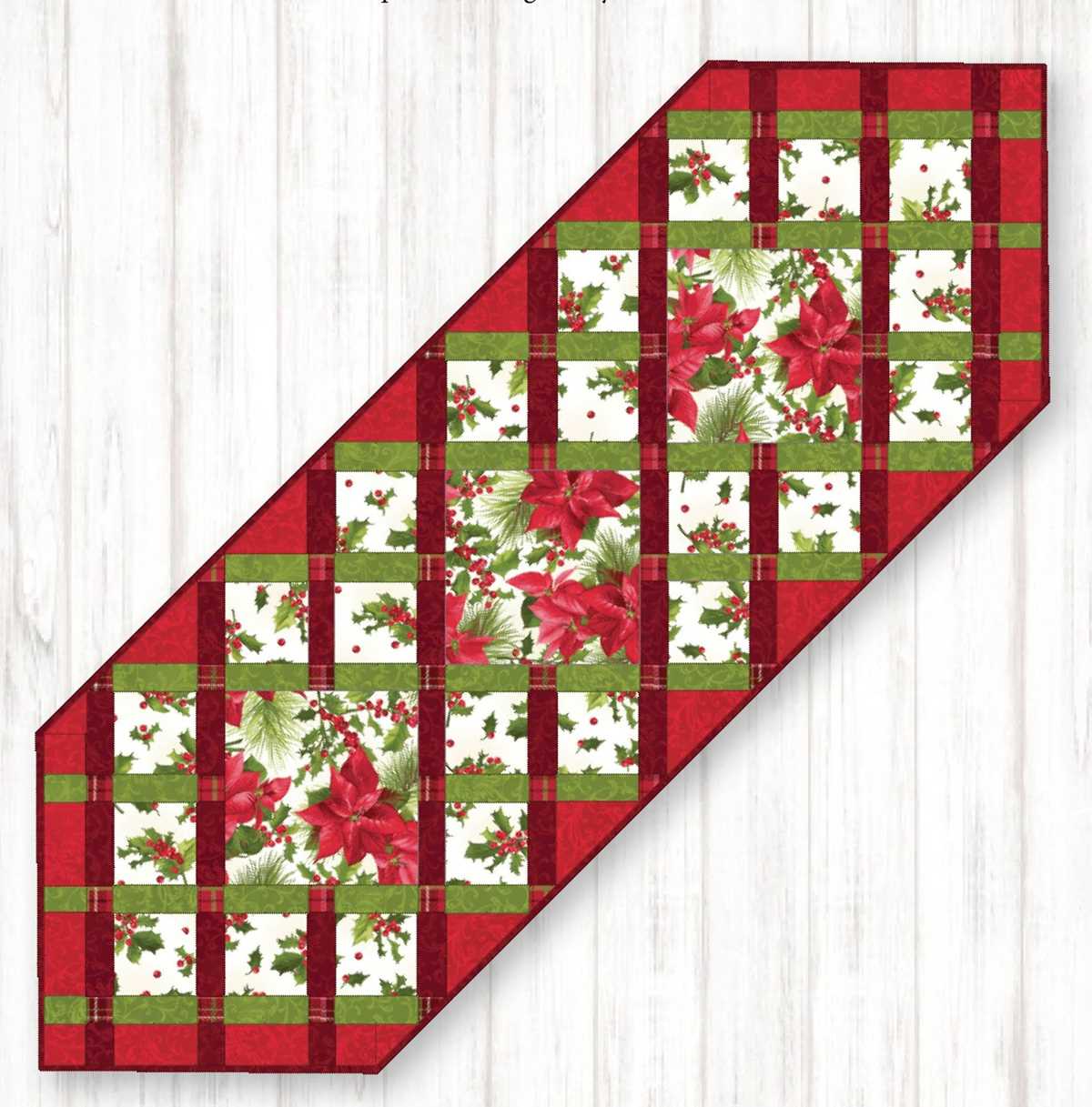
Select a 12–16 inch wide fabric strip set and plan a finished length of 36–54 inches to fit most dining surfaces. A classic holiday color scheme–deep red (2 yards of assorted prints), forest green (1.5 yards), cream background (1 yard), and ½ yard backing–creates strong contrast without visual overload. Use a ¼ inch seam allowance throughout and prewash cotton to prevent shrinkage after stitching.
Choose block-based layouts such as nine-patch grids (3 × 3 blocks at 6 inches each) or strip piecing with 2.5 inch jelly roll cuts. For beginners, rectangular strip assemblies reduce cutting time by up to 40% compared to intricate star motifs. Add a 1.5–2 inch border frame to stabilize the edges and keep proportions balanced.
Download sheet templates in A4 or US Letter format at 100% scale and verify accuracy with a 1 inch test square before cutting fabric. If printing tiled pages, align registration marks carefully and trim margins to avoid distortion. Keep seam intersections crisp by pressing seams open for bulky intersections or to one side for lighter cotton blends.
For decorative detail, incorporate simple seasonal appliqués–tree silhouettes, snowflakes, or ornament shapes–cut from fusible web. Secure with a tight zigzag stitch (0.5 width, 1.5 length) or blanket stitch. Quilting lines spaced 1.5–2 inches apart maintain stability while keeping batting flat during washing.
Finish with double-fold binding strips cut at 2.25 inches wide, joined on a 45° diagonal seam to reduce bulk. Hand-stitch the final edge with small ladder stitches spaced ⅛ inch apart for a clean finish. This approach yields a durable centerpiece that withstands repeated laundering and storage between winter celebrations.
Printable Quilted Christmas Table Runner Patterns Free Easy Step by Step Guide
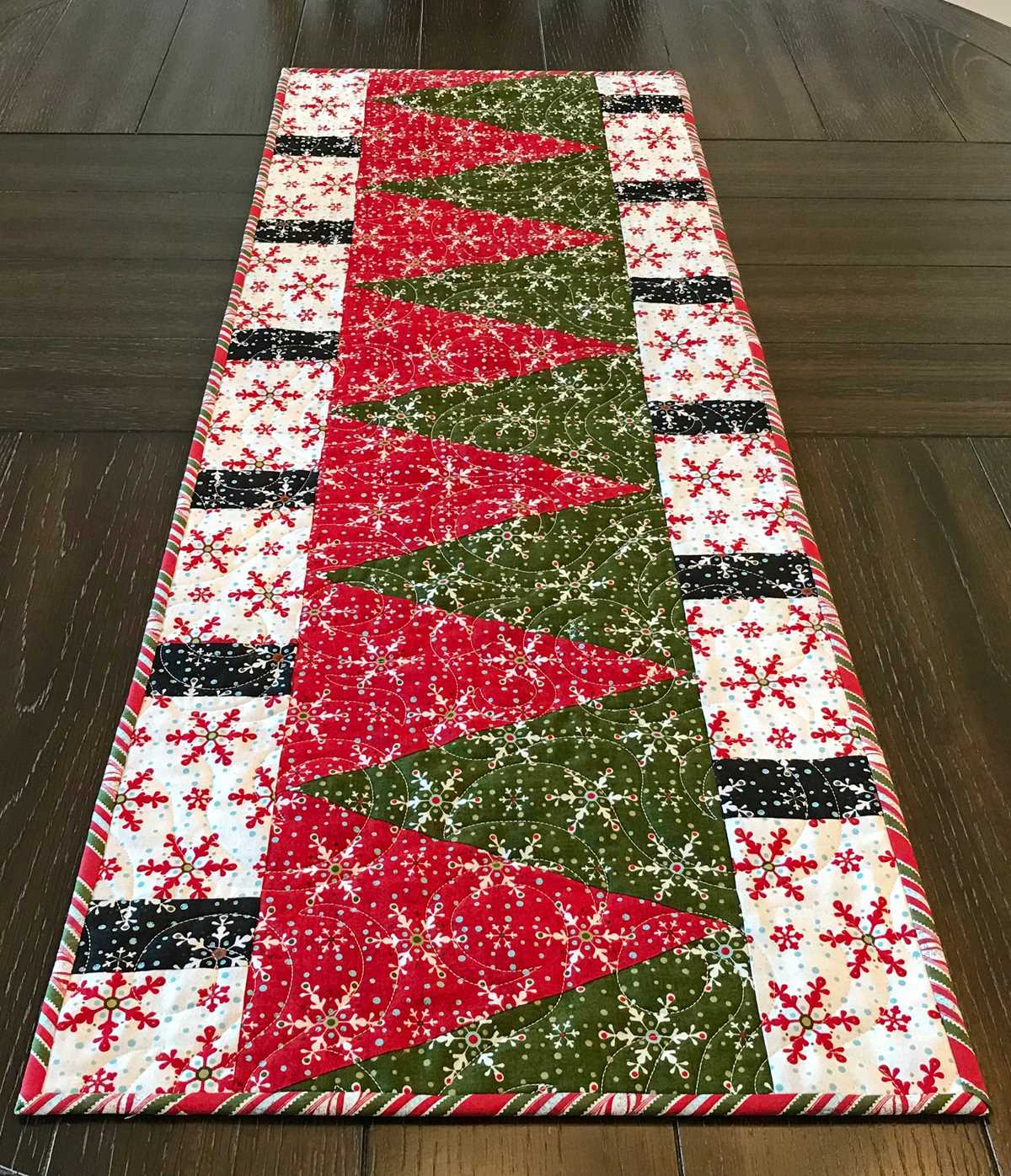
Choose a narrow holiday centerpiece design measuring 14 x 42 inches and download a ready-to-print PDF layout scaled at 100% with a 1-inch test square for accuracy. Use standard US Letter or A4 paper, disable page scaling in print settings, and tape sheets together along alignment marks before cutting fabric. Select three cotton fabrics (dark red, pine green, ivory) plus low-loft batting and backing 4 inches longer and wider than the finished size.
Cut fabric precisely using a rotary cutter, acrylic ruler, and self-healing mat. For a classic block layout, prepare:
- 12 squares 4.5 x 4.5 inches (main color)
- 12 squares 4.5 x 4.5 inches (contrast color)
- 4 border strips 2.5 inches wide (length adjusted after center assembly)
- Batting and backing 18 x 46 inches
Piece the center in rows of alternating squares to create a checker layout or diagonal chain effect. Sew with a consistent 1/4-inch seam allowance, pressing seams toward darker fabric to reduce shadowing. Join rows carefully, nesting seam intersections to keep corners aligned. Measure the assembled center; it should be approximately 12.5 x 40.5 inches before borders.
Add side borders first, trimming strips to exact measured length plus 1/4 inch seam allowance. Attach top and bottom borders after pressing side seams. This sequence prevents stretching. The bordered top should measure close to 16.5 x 44.5 inches.
Layer backing (right side down), batting, and pieced top (right side up). Secure with curved safety pins every 4–5 inches or use temporary spray adhesive designed for fabric. Smooth each layer from center outward to eliminate folds.
Quilt with straight-line stitching spaced 1.5–2 inches apart using a walking foot. For a festive look, stitch along diagonal lines through square corners or outline each block 1/4 inch inside the seam (“echo quilting”). Use 40 wt cotton thread in neutral cream or metallic gold for subtle shine.
Trim excess batting and backing flush with the top. Prepare binding strips 2.25 inches wide, joined at 45-degree angles. Fold in half lengthwise, press, attach to the front with a 1/4-inch seam, mitering corners carefully. Fold to the back and hand stitch with a blind stitch for a clean finish.
Before placing it on the dining surface, steam press lightly and allow it to cool flat. Wash separately on gentle cycle using cold water to set seams, then air dry or tumble on low. The finished festive centerpiece will sit smoothly along a 60–72 inch dining surface without excessive overhang.
Where to Find Free Printable Quilted Christmas Table Runner Patterns in PDF Format and How to Verify Size, Scale, and Seam Allowances Before Printing
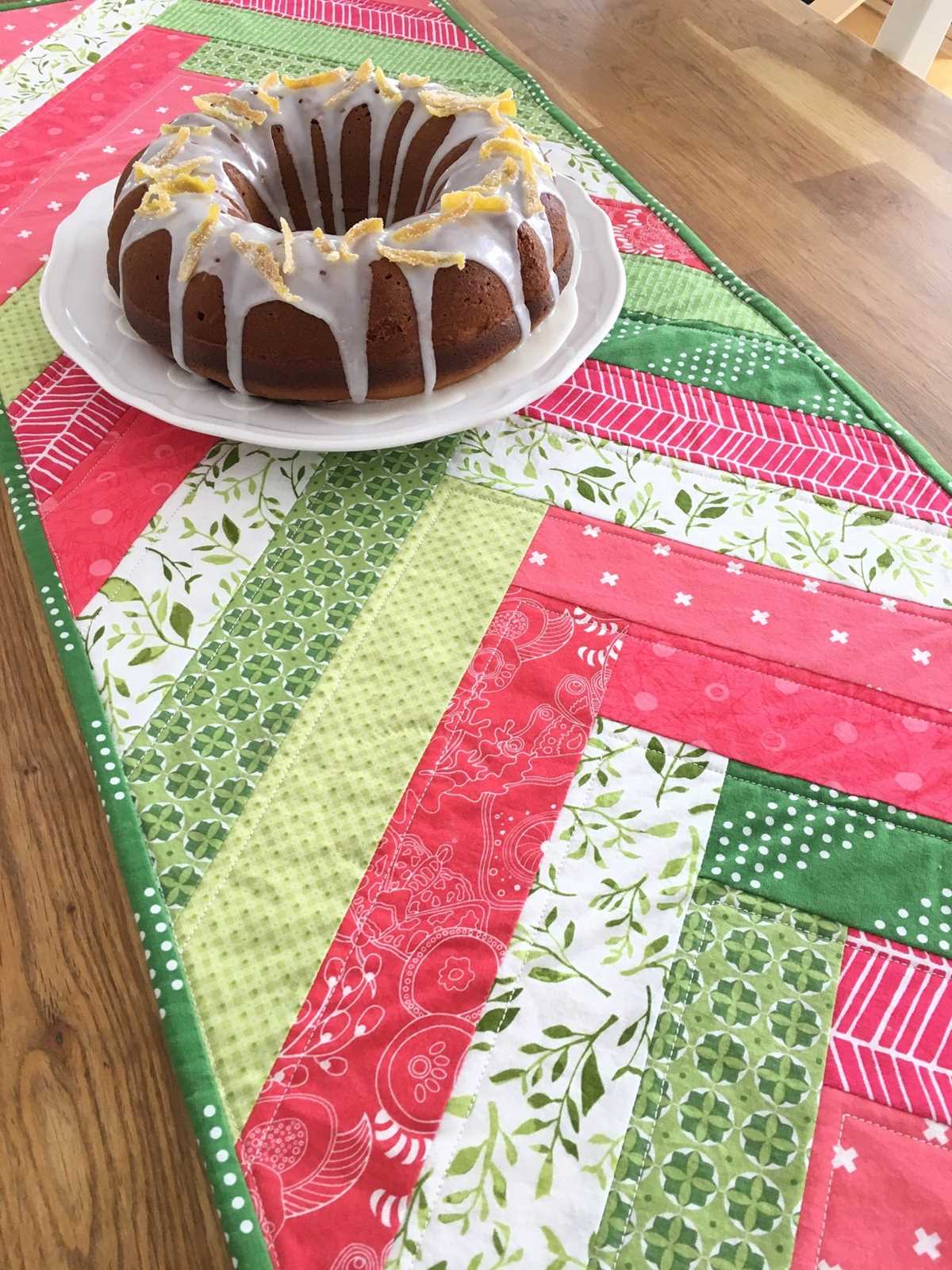
Download holiday patchwork bed-topper designs in PDF from reputable quilt guild websites, fabric manufacturer resource pages, and established sewing blogs that provide direct file access without registration walls. Prioritize sources that list finished dimensions (for example, 14″ × 42″ or 16″ × 60″), fabric requirements in yards, and block breakdowns. Many brand sites such as Moda, Riley Blake, and Art Gallery Fabrics host seasonal project sheets in clearly labeled PDF format with measurement charts and assembly diagrams.
Check that the document includes a 1″ × 1″ calibration square on the first page. Open the file in a standard viewer (Adobe Acrobat or browser PDF tool), disable “Fit to page,” and select “Actual size” or 100% scale before printing. After printing the first page only, measure the test box with a rigid ruler; if it reads 15/16″ or 1 1/16″, adjust printer scaling manually to 97–103% and reprint until the square measures exactly 1″.
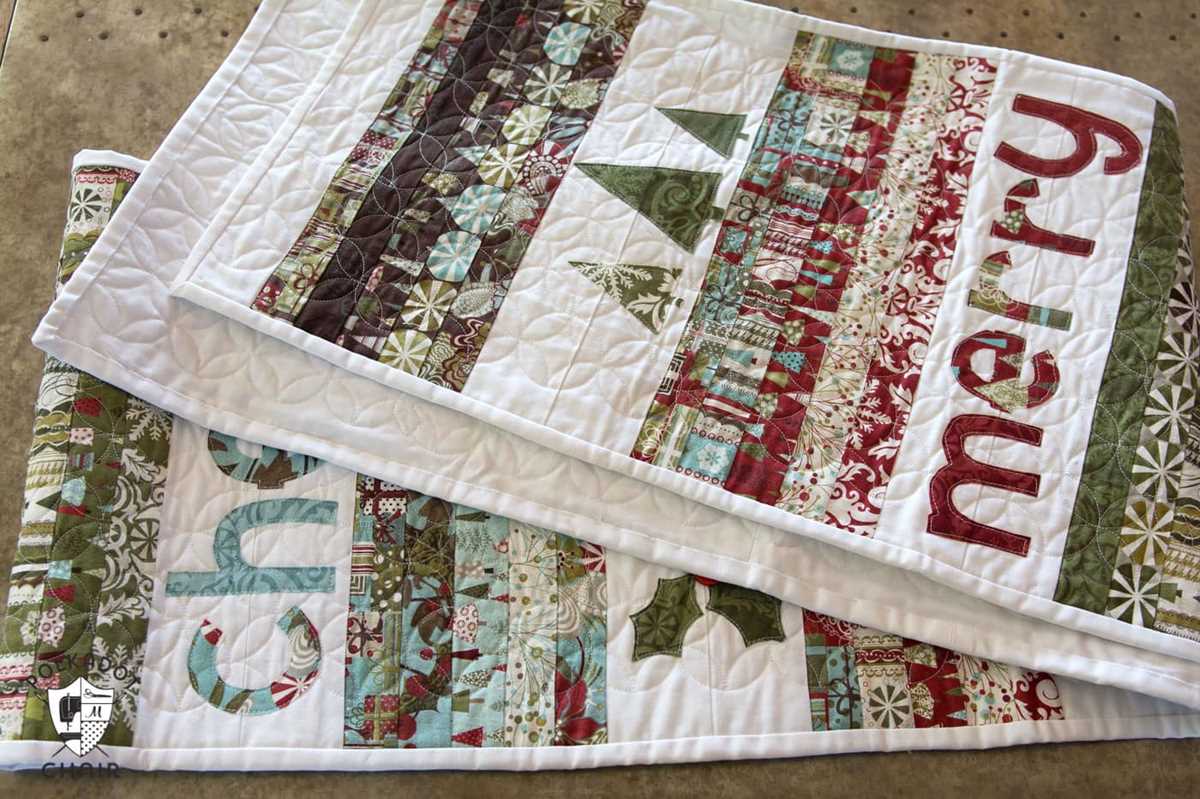
Verify seam allowances by reading the cutting instructions and comparing them to block math. Most patchwork projects use a ¼” seam. For example, if a block is listed as 12″ finished and constructed from four 6½” squares, the ½” difference accounts for seam margins. If the math does not align–such as 6″ cut squares for a 12″ four-patch–expect trimming steps or template-based piecing and confirm this in the assembly section.
Inspect the file layout before printing the full document. Multi-page templates often include alignment diamonds or dashed join lines across sheets. Use the “Poster” or “Tile” print option only if the pattern pieces exceed standard Letter or A4 size. Confirm that the margin overlap is set between 0.25″ and 0.5″ so taping edges does not distort shapes. Trim only the right and bottom margins as indicated to maintain registration accuracy.
Confirm finished length against your surface measurement. Measure the furniture span and subtract 6–12″ if you want drop on both sides. If the plan specifies a 48″ length but your surface measures 60″, calculate additional border strips: add two 6½” cut strips (which finish at 6″) to extend by 12″ total. Adjust yardage accordingly by multiplying strip width by required length and dividing by 36 to convert to yard fractions.
Archive the verified file with notes in the filename, such as “14x42_scaled100_checked,” and store a printed master copy with the measured calibration square circled and dated. This prevents rechecking scale on future reprints and keeps seam margin assumptions clear for any repeat project or size modification.