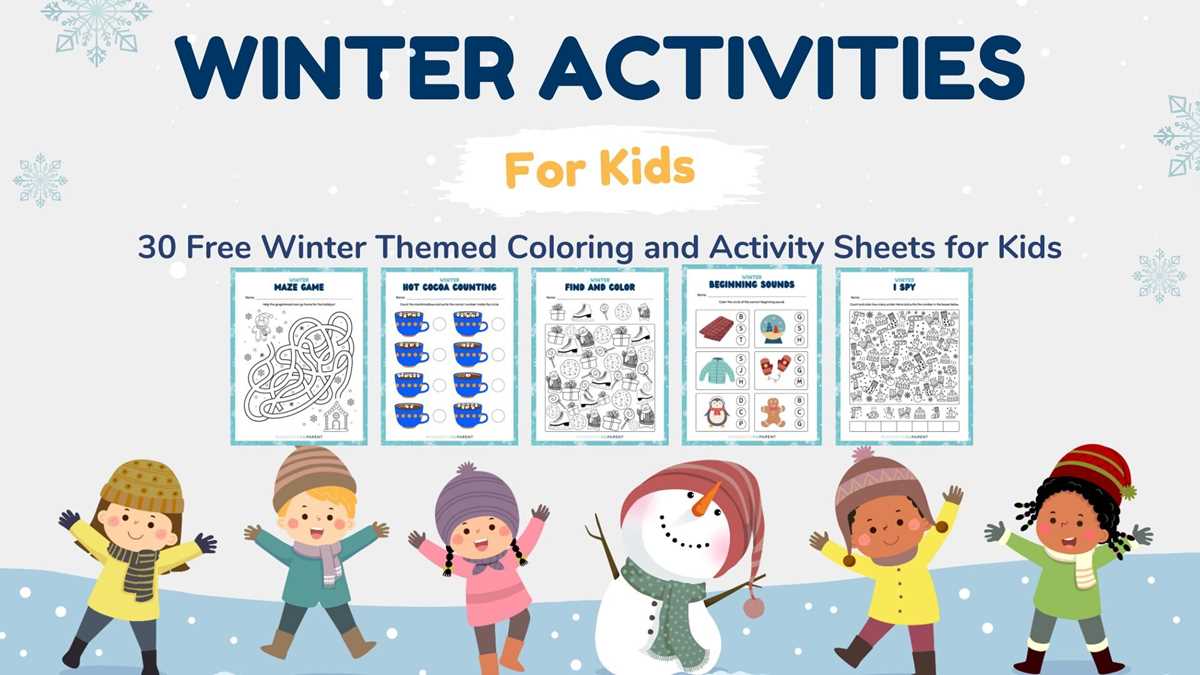
Select task sheets that match a child’s age and skill level; for ages 4–6, use tracing lines, simple mazes, and number matching with large 18–24 pt fonts, while ages 7–9 benefit from logic grids, short reading passages with 3–5 comprehension questions, and two-digit math drills. Limit each worksheet to one clear objective and no more than 10–12 tasks per sheet to maintain focus and reduce fatigue.
Use black-and-white layouts with strong contrast and 1.5–2 cm margins to simplify home printing and allow space for notes. A4 format suits most home printers in Europe, while US Letter works better for North America; always export files at 300 DPI to avoid blurry lines. For repeated use, place sheets in plastic sleeves and write with dry-erase markers instead of reprinting.
Incorporate measurable goals: for handwriting drills, aim for 2 full rows of correctly formed letters; for basic arithmetic, target 80% accuracy within 10 minutes; for reading tasks, set a timer of 5–7 minutes per short passage. Rotating between logic puzzles, coloring challenges with limited palettes (no more than 6 colors), and short quizzes keeps attention high without overwhelming the learner.
Organize materials by theme and difficulty in clearly labeled folders–phonics, early math, science facts, seasonal crafts–to cut preparation time. Update sets every 2–3 weeks based on observed progress: increase maze complexity, add mixed-operation problems, or introduce short paragraph writing prompts of 40–60 words. Structured rotation and data-based adjustments lead to steady academic growth without increasing screen time.
Kids Printable Activity Pages for Home Learning and Play
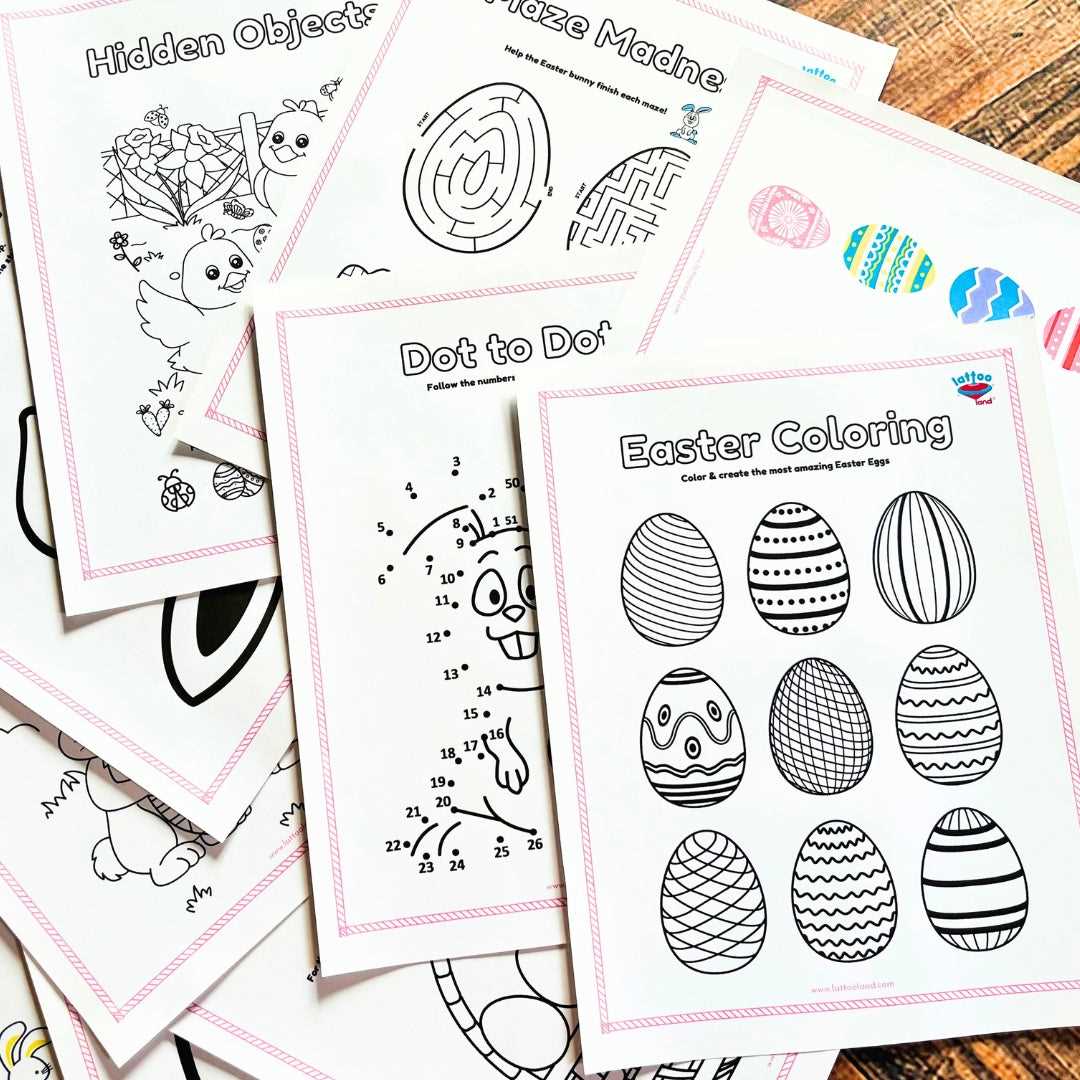
Choose themed learning sheets aligned with a specific skill, such as CVC word decoding, single-digit addition within 20, or fine-motor tracing patterns, and print them in sets of 5–7 to cover one focused week. For early readers (ages 5–7), combine phonics drills with short comprehension tasks limited to 3–5 sentences. For ages 3–4, select line-tracing, shape matching, and simple counting tasks up to 10 to support pencil control and number recognition.
Organize worksheets by subject blocks and assign a clear time frame: 15 minutes for literacy drills, 10 minutes for number practice, and 20 minutes for creative coloring or cut-and-paste tasks. Rotate formats daily–crossword-style word searches on Monday, math grids on Tuesday, logic puzzles midweek–to maintain attention without extending screen exposure.
Adjust difficulty by modifying instructions rather than replacing materials. For example, transform a basic addition sheet into a challenge by asking the child to explain the solution verbally or write a related subtraction fact. Turn a coloring sheet into a reading task by adding short prompts such as “Color the triangle blue if 4 + 1 = 5.” This layered use extends one file across multiple sessions.
Use black-and-white formats to reduce ink usage and allow children to personalize each sheet with colored pencils or markers. Print on 120–160 gsm paper for durability during repeated handling, especially for cut-and-assemble crafts like paper clocks, fraction wheels, or matching cards. Store completed work in a labeled binder divided into literacy, math, science, and art sections to track progress weekly.
Incorporate practical themes linked to daily routines: grocery list math problems, calendar exercises using the current month, weather observation charts filled out each morning, or simple budgeting scenarios with play money. Real-life context improves retention and gives structure to at-home study without requiring additional materials beyond basic stationery.
Limit each session to 45–60 minutes total for children under eight, splitting tasks into short intervals with physical breaks such as stretching or quick cleanup challenges. Consistent scheduling–four structured days and one review day per week–helps reinforce new concepts while keeping learning balanced with free play and creative exploration.
How to Choose Age-Appropriate Printable Activity Pages by Skill Level and Learning Goal
Select worksheets based on measurable skills, not age labels. For ages 3–4, choose sheets that focus on single-step tasks: tracing straight and curved lines, matching identical pictures, sorting by one attribute (color or size). For ages 5–6, look for multi-step instructions, early phonics (CVC words), number bonds to 10, and simple logic grids. For ages 7–8, prioritize reading passages of 80–150 words with 3–5 comprehension questions, two-digit addition and subtraction with regrouping, and structured writing prompts with 4–6 guiding questions.
Define a clear learning objective before downloading any worksheet set. If the goal is fine motor control, select tracing patterns with line widths between 3–5 mm and progressive complexity (horizontal → diagonal → zigzag). For phonemic awareness, choose letter-sound matching tasks with no more than 6 target sounds per sheet. For math fluency, use timed drills limited to 20 problems per page to prevent fatigue. For logical thinking, opt for pattern sequences that extend at least three steps beyond the example shown.
Adjust difficulty using observable performance indicators:
- If a child completes tasks in under 3 minutes with zero errors, increase complexity (add distractors or reduce visual cues).
- If error rate exceeds 30%, reduce cognitive load by removing extra images or shortening instructions to one sentence.
- If attention drops before completion, divide one worksheet into two sessions of 5–7 minutes.
- If handwriting becomes inconsistent, switch from blank lines to guided baselines with midline markers.
Match format to context. For classroom use, select black-and-white sheets with minimal background graphics to reduce printing costs and visual overload. For home practice, use themed designs tied to current interests (animals, space, vehicles) to sustain focus for 10–15 minutes. For mixed-ability groups, prepare tiered versions: Level A with visual hints, Level B without hints, Level C with extension questions requiring written explanation. This approach aligns skill level with a defined academic target while maintaining measurable progress.